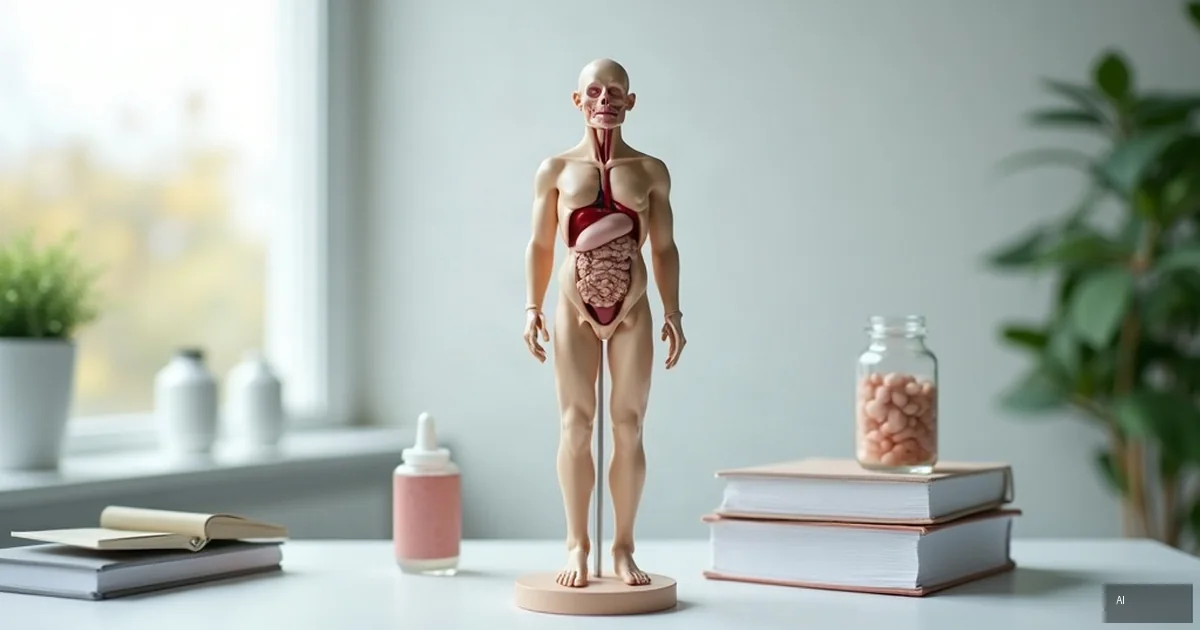
🌡️ What Is Thermoregulation?
Thermoregulation is a physiological process that maintains a stable core body temperature (37°C) despite changes in environmental temperature. During physical exertion, muscle work generates a large amount of heat — only ~20-25% of metabolic energy is converted into mechanical work, while the remainder (75-80%) is converted into heat. During intense exertion, heat production can increase 15-20 times compared with rest.
🔬 Heat Exchange Mechanisms
💨 Convection
Transfer of heat to moving air or water. Wind increases convective cooling. The main mechanism in water sports (water is 25x more effective than air).
💧 Evaporation (Sweating)
Evaporation of sweat from the skin — the most effective mechanism in a hot environment. 1 liter of evaporated sweat removes ~580 kcal of heat.
☀️ Radiation
Emission of heat radiation to the environment or from the environment. Depends on the temperature difference. On a sunny day, the body may absorb more heat than it emits.
🤝 Conduction
Direct heat transfer through contact with a surface. Least significant in sports (except swimming).
📊 Effect of Hyperthermia on Performance
| Body Temperature | Physiological Effect | Effect on Performance |
|---|---|---|
| 37-38°C | Normal thermoregulation, optimal muscle enzyme function | Optimal — slight warm-up effect |
| 38-39°C | Increased skin blood flow, first discomfort signals | Slight decrease in endurance |
| 39-40°C | Blood redistribution to the skin, reduced blood supply to muscles | Significant decrease in endurance, higher perceived exertion |
| 40-41°C | Central nervous system inhibition, onset of enzyme denaturation | Drastic drop in capacity, CNS fatigue |
| >41°C | Risk of heat stroke, organ damage | Life-threatening condition — exertion must be stopped |
🔄 Heat Acclimatization
The body can adapt to a hot environment. Full acclimatization takes 10-14 days:
- Improved sweating (3-5 days): The sweating threshold decreases, sweating begins at a lower temperature. Sweat volume increases.
- Electrolyte conservation (5-8 days): Sweat glands learn to reabsorb more Na+ and Cl-, electrolyte loss decreases.
- Increase in plasma volume (7-14 days): Blood plasma volume increases noticeably, heat transfer and cardiovascular stability improve.
🎯 Practical Tips
💧 Hydration
Drink before, during and after training. Cold drinks (10-15°C) help lower core temperature faster than room-temperature drinks.
👕 Clothing
Light-colored, loose, moisture-wicking clothing. Avoid cotton — it absorbs sweat but does not allow it to evaporate.
🧊 Pre-cooling
Cold vests, cold drinks, ice baths before the start lower initial temperature — time to critical temperature is extended.
📅 Planning
Plan intense training early in the morning or in the evening, avoid midday heat. Monitor the WBGT (Wet Bulb Globe Temperature) index.
🙋 Frequently Asked Questions
Yes! Understanding body temperature regulation helps you train more effectively, avoid injuries and achieve better results even at the amateur level.
We recommend PubMed, Google Scholar, and Sports Medicine journals. It is also worth following publications from the Lithuanian Sports University.
It depends on the specific study. Some methods require laboratory equipment, while others can be performed with portable devices.
Coaches who understand body temperature regulation can individualize training programs, monitor progress and adjust workloads in a timely manner.
📚 Additional Resources and Sources
To deepen your knowledge about body temperature regulation, we recommend:
- Scientific publications and conferences of the Lithuanian Sports University (LSU)
- International journals: Journal of Sports Sciences, Medicine and Science in Sports and Exercise
- Annual congresses of the European College of Sport Science (ECSS)
- Sports science podcasts: Science of Sport, The Real Science of Sport
- Sports science programs of the Lithuanian National Olympic Committee (LTOK)
⚡ Pro Tip
Sports science is constantly evolving. What was considered true 10 years ago may be refuted today by new research. Be curious, read the latest literature, and don't be afraid to experiment — of course, while following safety principles.