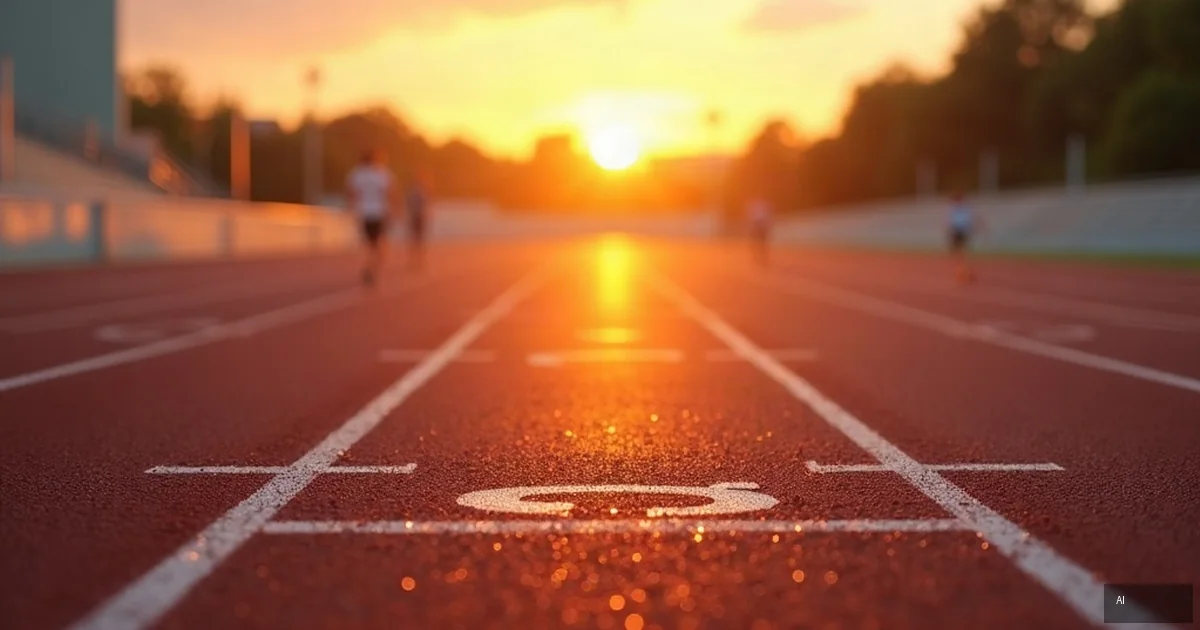
🚀 Sports 2050 — What Awaits Us?
Technological advances, genetic engineering, artificial intelligence, and space colonization will radically change sports over the next 25 years. Some sports will disappear; others will be born from new technologies.
🔮 Future Sports Trends
| Trend | Period | Description | Probability |
|---|---|---|---|
| Space Sports (Zero-G) | 2035–2045 | Sports in zero gravity in orbit or on the Moon | Medium |
| CRISPR-Enhanced Athletes | 2040+ | Gene editing to improve athletic performance | High (ethical disputes) |
| AI Coaches and Analytics | 2025–2030 | 100% personalized AI training with real-time biomechanics | Very High |
| Cyborg / Biomechanical Sports | 2045+ | Athletes with implants and exoskeletons | Medium |
| Holographic Competitions | 2035+ | Athletes compete in different locations but appear to be together | High |
| Brain-Computer Interface (BCI) Sports | 2040+ | Competitions controlled by thoughts via Neuralink-type interfaces | Medium |
| Climate-Adapted Sports | 2035+ | Sports adapted to extreme climate changes | Very High |
🌕 Space Sports — A New Arena
When humanity establishes permanent bases on the Moon and Mars, sports will follow. Zero gravity creates entirely new sports possibilities: 3D movement, object control without air resistance, and jumps impossible on Earth.
Already now, astronauts on the ISS play improvised games. Lunar gravity (1/6 of Earth's) would allow jumping 6 times higher. Mars (1/3 gravity) is an ideal place for new sports to be born.
⚖️ Ethical Questions of Future Sports
Gene Doping
CRISPR technology already allows gene editing. What will be considered doping when parents can "order" athletic genes for their children before birth?
Biomechanical Inequality
If athletes with implants are stronger, is that fair? Will leagues be divided into "natural" and "enhanced"?
Climate Change
Some sports (skiing, winter sports) may disappear due to global warming. What will replace them? Artificial tracks, indoor mountains?
Will AI Replace Athletes?
Will people still want to watch human sports when robots are faster, stronger, and more precise? Or will robot sports become more popular?
💊 Athlete's Nutrition and Recovery Guide
Whatever your sport, proper nutrition is the foundation for results. Here are the key nutrition principles followed by professional athletes:
Protein
1.6–2.2 g/kg of body weight per day. Choose: chicken, fish, eggs, whey protein, plant proteins.
Carbohydrates
4–7 g/kg depending on the workload. Whole-grain products, fruits, vegetables. Before and after training.
Healthy Fats
0.8–1.2 g/kg. Avocados, nuts, olive oil, omega-3 fatty acids.
Hydration
30–40 ml/kg per day. During sport: 500–1000 ml/h with electrolytes for longer workouts.
Recovery Strategies
- Sleep: 7–9 hours of quality sleep. Growth hormone is released during deep sleep.
- Active Rest: Light movement on rest days improves circulation and reduces muscle soreness.
- Contrast Shower: Alternate hot and cold water — it improves circulation and reduces inflammation.
- Massage and stretching: Regular stretching and massage reduce injury risk and improve flexibility.
💡 Practical Tips
Training Planning
Periodize your training: after an intense cycle, be sure to include a recovery week. Progress happens during rest, not during training.
Journal
Record your workouts, nutrition and sleep quality. After a month, you will have data showing what works best.
Listen to Your Body
Pain is not a sign of weakness — it is a signal. Learn to distinguish good muscle fatigue from injury risk.
Small Goals
Set short-term, achievable goals. Every small win builds motivation for bigger challenges.
🛒 Sports Supplements for Your Goals
Whatever your sport or record — proper nutrition and supplements help you achieve more. Choose the ones that suit you best: