📊 Nutritional Table (100 g)
Below is the detailed nutritional value per 100 grams mackerel.
| Nutrient | Amount (100 g) | % RDA |
|---|---|---|
| 🔥 Calories (Energy) | 262 kcal | -- |
| 💪 Protein | 18.6 g | -- |
| 🧈 Fats | 18.0 g | -- |
| 🍚 Carbohydrates | 0 g | -- |
| 🌾 Fiber | 0 g | -- |
| Omega-3 (EPA+DHA) | 2.9 g | -- |
| Vitamin D | 640 IU | 107% |
| Vitamin B12 | 8.7 µg | 363% |
| Selenium | 44 µg | 80% |
| Niacin (B3) | 8.8 mg | 55% |
* RDA - Recommended Daily Allowance (EU Regulation 1169/2011). Percentages are calculated for an adult. Athletes' needs may be higher.
💪 Benefits for Athletes
Here are the main mackerel benefits in an athlete's nutrition:
- Highest omega-3 content among common fish - strong anti-inflammatory effect
- Vitamin D - 640 IU per 100 g, one of the best dietary sources
- B12 - for nervous system health and energy metabolism
- Affordable price - quality fats at a low price
🍳 How to Prepare
The best ways to prepare mackerel, while preserving maximum nutritional value:
- Pan-fried: 4-5 min per side over medium heat with lemon
- Smoked: ready to eat, a great snack or salad ingredient
- In the oven: with vegetables, 180 °C, 20-25 min
⚡ When to Eat?
After training or on rest days. Before training - 3+ hours.
🔄 Substitutions and Alternatives
Best alternatives mackerel:
Salmon, herring, sardines, tuna
💡 Tips
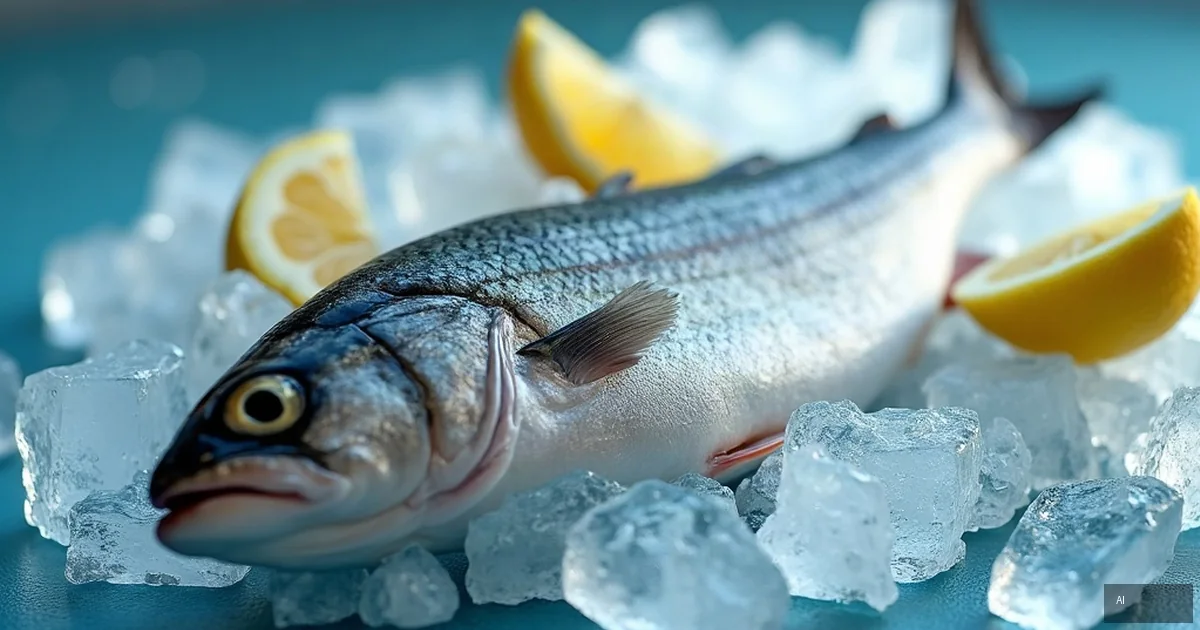
- Fresh mackerel should be shiny with clear eyes
- Smoked mackerel has more salt - limit it if you monitor sodium
- Mackerel liver - the most valuable part
- Pairs perfectly with beetroot and horseradish
🥄 Portions And How To Include In Diet
A practical portion — 100–150 g. Mackerel is a fatty marine fish, so it is rich in omega-3 fatty acids. Include it in your diet 1–2 times per week as a portion of fatty fish, combined with vegetables.
- Baked in the oven or on the grill.
- Smoked — in moderation, as it has more salt.
- Canned in its own juices — convenient for sandwiches.
🛒 How To Choose And Store
Fresh mackerel spoils faster than lean fish, so buy it last during shopping and consume it as soon as possible. The eyes should be clear, the skin shiny, and the smell — mild. Thaw in the refrigerator.
- Fresh — consume on the same day.
- Frozen — store tightly sealed in the freezer for several months.
- Smoked — in the refrigerator for up to 3–4 days.
⚠️ Common Mistakes
- Overcooking — fatty fish dries out.
- Too Much Smoked — the salt content may be high.
- Not fresh fish — fatty fish quickly develops a strong odor.
📋 What Is Important To Know
Mackerel — one of the fattiest fish, so it is very rich in omega-3 fatty acids (EPA and DHA), as well as vitamin D and B12. Its fat content determines both its higher calorie content and its nutritional value. Mackerel fat oxidizes quickly, so special attention must be paid to freshness.
⚖️ Portions And Daily Norm
- A portion — 100–150 g, enough as a main protein source.
- Fatty fish is recommended to be eaten several times per week; mackerel is suitable together with herring (see omega-3).
- Smoked mackerel has more salt — consider total sodium intake.
- Canned in oil is higher in calories; in water or its own juices — a leaner option.
🛒 How to Prepare and Store
- Fresh mackerel should be shiny, with firm scales and a mild, "marine" smell.
- Cook fatty mackerel briefly at a higher temperature so it does not dry out.
- Thaw frozen mackerel in the refrigerator; do not thaw it repeatedly.
- Consume fresh mackerel as soon as possible — fatty fish spoils faster than lean fish.
🙋 Frequently Asked Questions
Is Mackerel Healthier Than Cod? Not "healthier", but different — mackerel provides omega-3 and vitamin D, cod — lean protein; both have a place in the diet.
Is Canned Mackerel Just as Valuable? Most of the omega-3 remains, but choose the option based on oil or salt content.
Why Does Mackerel Spoil Quickly? Fats oxidize — therefore it must be consumed quickly and kept cold.