🏆 Powerlifting — The Fundamentals

Squat, Bench Press, Deadlift: Technique, Programs, Nutrition and Competition Rules

Protein Creatine Amino Acids L-Carnitine
← Back to supp.lt 🔧 All Tools
🏋️ Exercises 📋 Programs 🥗 Nutrition 🎯 Technique
💪 Creatine 🥩 Protein ⚡ Pre-workout 🧬 Amino Acids
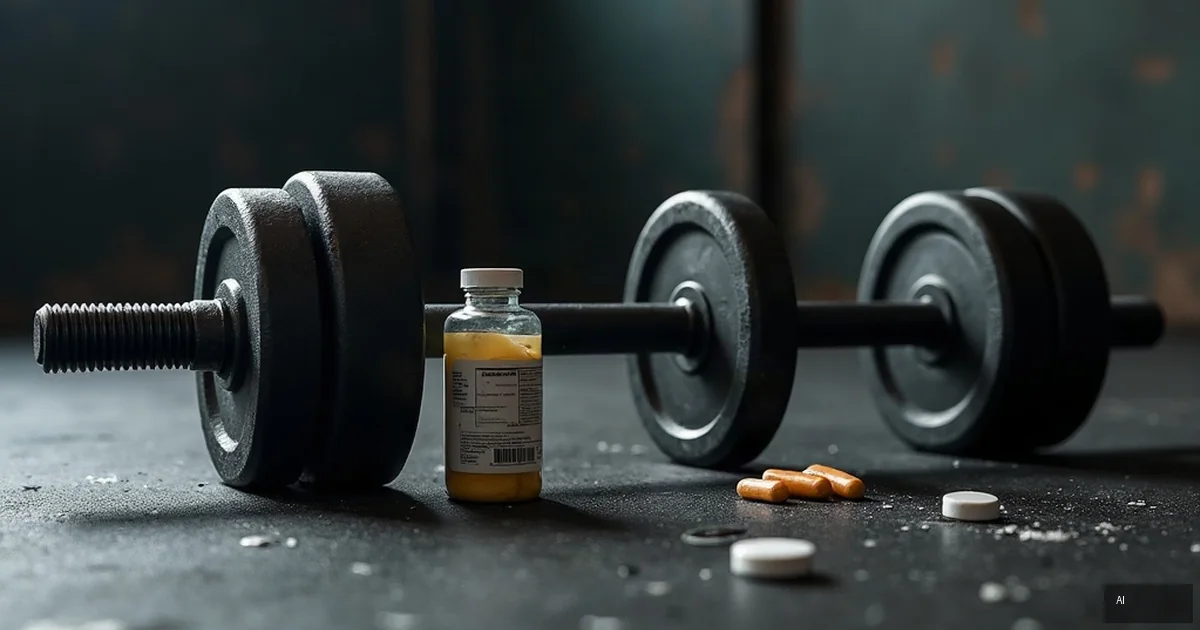
Powerlifting — Exercises, Programs, Technique — Illustration

What is Powerlifting?

Powerlifting — is a strength sport in which competitors compete in three lifts: barbell squat (Squat), barbell bench press (Bench Press) and barbell deadlift (Deadlift). The competitor with the highest total wins.

📊 Strength Standards for Men (kg)

LevelSquatBench PressDeadliftTotal
Beginner10075120295
Intermediate140105170415
Advanced185140210535
Elite235180260675+

Note: standards for the 82 kg weight class. For heavier/taller — more, for lighter — less.

💪 Creatine for Strength 🥩 Whey Protein ⚡ Pre-Workout 🧬 Amino Acids
← All tools

🙋 Frequently Asked Questions

How Often Should This Tool Be Used?
We recommend regularly reviewing the information and applying it in practice. The optimal frequency depends on your individual goals.
Is the Information Scientifically Based?
Yes, all the information provided is based on the latest scientific research and recommendations from sports nutrition experts.
Should I Consult a Specialist?
Before starting any new program or taking supplements, we recommend consulting a doctor or a sports nutrition specialist.

⚡ Pro Tip

Combine Knowledge with Practice
Theory without practice is just information. Apply what you have learned in your daily routine — only in this way will you achieve real changes. Every big goal starts with a small first step.

💡 Did You Know?

🏆 World Records

The biggest squat in 2024 — more than 490 kg (with special gear). Raw (without gear) — over 380 kg. These numbers keep growing!

📐 Wilks Formula

To compare athletes in different weight categories, the Wilks formula is used. It calculates relative strength based on body weight.

🔬 Creatine Effect

Creatine monohydrate is the most researched supplement in the world. There is data on a 5-15% strength increase in the first 4-8 weeks.

❓ Frequently Asked Questions

When to Move from a Beginner to an Intermediate Program?

When you can no longer add weight every workout (linear progression ends). This usually happens after 3-6 months. Then move to periodization (e.g., 5/3/1).

Do You Need a Belt and Wraps?

The belt helps stabilize the torso in heavy sets (>)80% 1RM). For beginners, it is recommended to train without a belt to strengthen natural core strength.

Creatine Before or After Workout?

Scientifically, timing is not critical — you can take it anytime. The most important thing is to take 5 g daily. For convenience, many people take it with a protein shake after a workout.

How Often to Test 1RM?

For beginners — never (increase weight gradually). For intermediate — every 8-12 weeks. For advanced — every 12-16 weeks or at competitions.

📚 Additional Information

How to Achieve the Best Results?

Consistency is the most important factor. Regular practice, proper nutrition, and sufficient rest give the best long-term results. Do not forget to track progress and adjust the program according to the results.

Which Supplements Best Complement This Practice?

Protein for recovery, creatine for strength, multivitamins for overall health, and omega-3 for reducing inflammation — these are the main supplements suitable for most athletes.

How to Avoid the Most Common Mistakes?

Listen to your body, progress gradually, and do not try to achieve everything in one day. Excessive load without proper recovery is the most common mistake.

💪 Practical Tips

1. Start with Small Goals

Small, achievable goals create a positive habit. Instead of aiming for radical changes in a week, focus on one new habit every 2-3 weeks.

2. Track Progress

Record your workouts, weight, reps, or achievements. Visible progress is a powerful motivation to continue.

3. Invest in Recovery

Sleep, nutrition, and stress management are an integral part of progress. Without proper recovery, even the best workouts will not produce results.

4. The Power of Community

Train with a friend, join a group of like-minded people. Social support significantly increases the likelihood of maintaining regular physical activity.

5. Listen to Experts

Consult coaches, nutrition specialists, and doctors. Professional recommendations help avoid mistakes and achieve results faster.

🔑 Key to Success

The belt helps stabilize the torso in heavy sets (>) intensity

It is better to train 3 times per week for a year than 6 times per week for a month and burn out. Long-term success depends on a sustainable pace.

Nutrition Is 70% of the Result

You can have the best training program, but without proper nutrition, results will be limited. A balanced diet with sufficient protein is essential.

Sufficient Sleep Is Essential

7-9 hours of quality sleep are essential for muscle recovery, hormonal balance, and overall health. Sleep deprivation hinders all progress.

💪 Practical Tips

1. Start with Small Steps

Small daily changes give the greatest long-term effect. Do not set unrealistic goals.

2. Track Progress

Regularly record your results — this will help you maintain motivation and adjust the program.

3. Nutrition Is 70% of the Result

Without a balanced diet with sufficient protein, even the best training program will not produce the desired results.

4. Sleep and Recovery

7-9 hours of sleep are essential. During sleep, muscle recovery and hormone production occur.

5. Listen to Your Body's Signals

Pain is not a sign of weakness — it is the body's signal that you need rest or a technique correction.

💪 7 Practical Tips for Long-Term Success

1. Consistency Is the Most Important Factor

It is better to train 3 times per week for a year than 6 times a month and burn out. Long-term success depends on a sustainable, regular rhythm, not on episodic jumps in intensity.

2. Record Every Step

Regularly write down your workout results, weight, and measurements. Visible progress is the most powerful motivation to continue even when it seems that nothing is changing.

3. Nutrition Makes Up 70% of Results

Without a balanced diet with sufficient protein, even the best training program will not produce the desired results. Supplements help fill nutritional gaps.

4. Sleep — Your Secret Weapon

7-9 hours of quality sleep are essential for muscle recovery, hormone production, and overall health. Lack of sleep directly hinders all progress.

5. Listen to Your Body's Signals

Sharp pain, constant fatigue, or lack of motivation are signals that you need rest or a program correction. Do not ignore these warnings.

6. Consult Professionals

A trainer, nutrition specialist, or doctor can provide individual recommendations. Professional assistance helps avoid mistakes and achieve goals faster.

7. Find Like-Minded People

Training with a friend or in a group of like-minded people significantly increases the likelihood of maintaining regular activity. Share experiences and support each other.