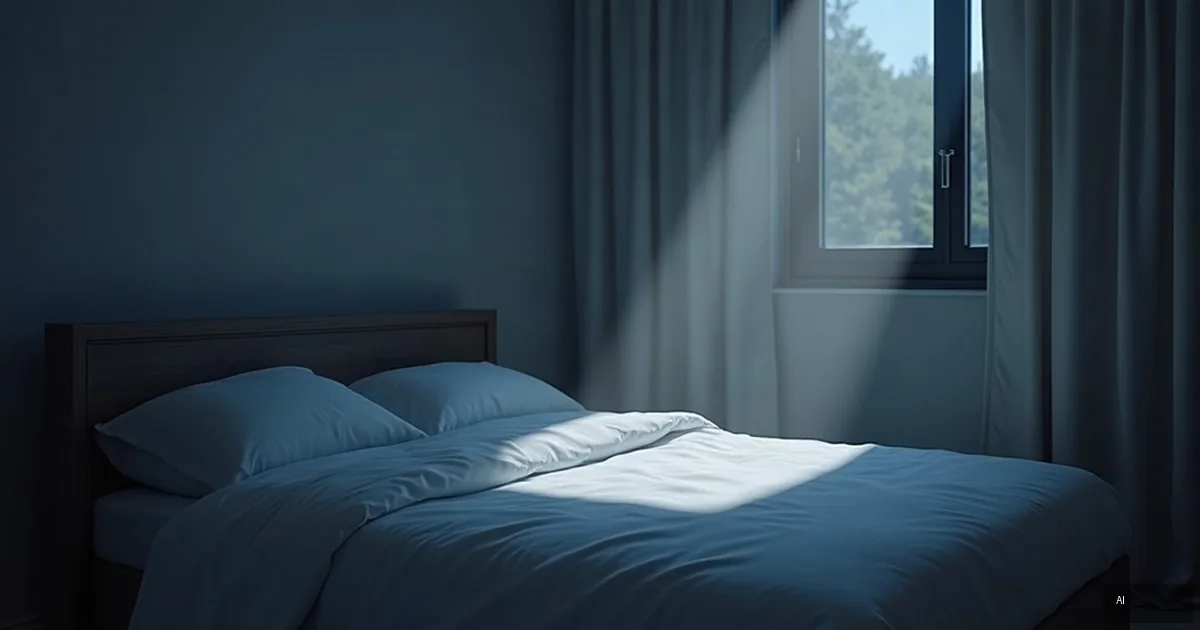
😴 What Is Sleep Architecture?
Sleep architecture is the structure of sleep that describes the cyclicity and proportions of different sleep stages during nighttime sleep. A normal night consists of 4-6 cycles of ~90 minutes, each including NREM (N1, N2, N3) and REM stages. Each stage has a specific role in recovery — for athletes, understanding sleep architecture allows optimizing recovery and maximizing adaptation to training.
🔬 Sleep Stages
💤 N1 (Light Sleep)
Sleep-onset stage, 2-5% of sleep time. Easy to wake. Muscles relax, brain waves slow down. Transitional phase.
🧠 N2 (Intermediate Sleep)
Largest portion of sleep (45-55%). Body temperature drops, heart rate slows. Sleep spindles — important for motor learning.
💪 N3 (Deep Sleep / SWS)
Physically restorative stage, 15-25% of sleep. Peak growth hormone (GH) secretion — tissue repair and muscle growth occur. Hardest to wake from.
👁️ REM (Rapid Eye Movement)
20-25% of sleep. Dream stage. Brain active, body paralyzed. Psychological recovery, emotion regulation, learning.
📊 Importance of Sleep for Athletes
| Recovery Process | Sleep Stage | Impact on Sport |
|---|---|---|
| Growth Hormone (GH) Secretion | N3 (Deep Sleep) | Largest GH release of the day. Stimulates protein synthesis, muscle growth, bone strengthening |
| Protein Synthesis | N3 (Deep Sleep) | Anabolic processes occur mostly during deep sleep. Sleep deprivation reduces protein synthesis by 15-20% |
| Motor Consolidation | N2 + REM | N2 sleep spindles consolidate motor skills. REM integrates complex movements. Important for technical sports |
| Glycogen Restoration | All stages | During sleep, the brain and muscles restore glycogen stores. Sleep deprivation slows recovery |
| Immune Function | N3 (Deep Sleep) | Cytokine production and immune cells — response to training-induced inflammation. Sleep deprivation increases risk of illness |
📋 How to Improve Sleep Architecture?
- Consistent Schedule: Go to bed and wake up at the same time, even on weekends. Circadian rhythm is the main regulator of sleep architecture.
- Darkness and Coolness: The bedroom should be dark (curtains, no LED lights) and cool (18-20°C). A drop in temperature signals the body that it is time to sleep.
- No Screens Before Sleep: 90-120 min before sleep without a phone, tablet, or computer. Blue light suppresses melatonin secretion and reduces deep sleep.
- Caffeine Limit: The half-life of caffeine is 5-6 hours. Avoid caffeine after 14-16 h so it does not disrupt deep sleep.
- Relaxation Routine: 30-45 min before sleep: reading, meditation, warm bath. Not intense workouts — they activate the sympathetic nervous system.
⌚ Sleep Monitoring
Athletes increasingly use sleep monitoring technologies (Oura Ring, Whoop, Garmin, Apple Watch), but it is important to understand their limitations. These devices determine sleep duration and timing well, but sleep stage detection accuracy is only 60-70% compared with polysomnography (the gold standard). Use them for tracking trends, not for absolute accuracy. Main tracked parameters: sleep duration, efficiency (time in bed vs. sleep time), deep sleep duration, resting heart rate at night.
🙋 Frequently Asked Questions
Yes! Understanding sleep architecture and sport helps you train more effectively, avoid injuries, and achieve better results even at the amateur level.
We recommend PubMed, Google Scholar, and Sports Medicine journals. It is also worth following publications from the Lithuanian Sports University.
It depends on the specific study. Some methods require laboratory equipment, while others can be performed with portable devices.
Coaches who understand sleep architecture and sport can individualize training programs, monitor progress, and adjust loads in time.
📚 Additional Resources and Sources
To deepen your knowledge about sleep architecture and sport, we recommend:
- Scientific publications and conferences of the Lithuanian Sports University (LSU)
- International journals: Journal of Sports Sciences, Medicine and Science in Sports and Exercise
- Annual congresses of the European College of Sport Science (ECSS)
- Sports science podcasts: Science of Sport, The Real Science of Sport
- Sports science programs of the Lithuanian National Olympic Committee (LTOK)
⚡ Pro Tip
Sports science is constantly evolving. What was considered true 10 years ago may be refuted today by new research. Be curious, read the latest literature, and don't be afraid to experiment — of course, while following safety principles.