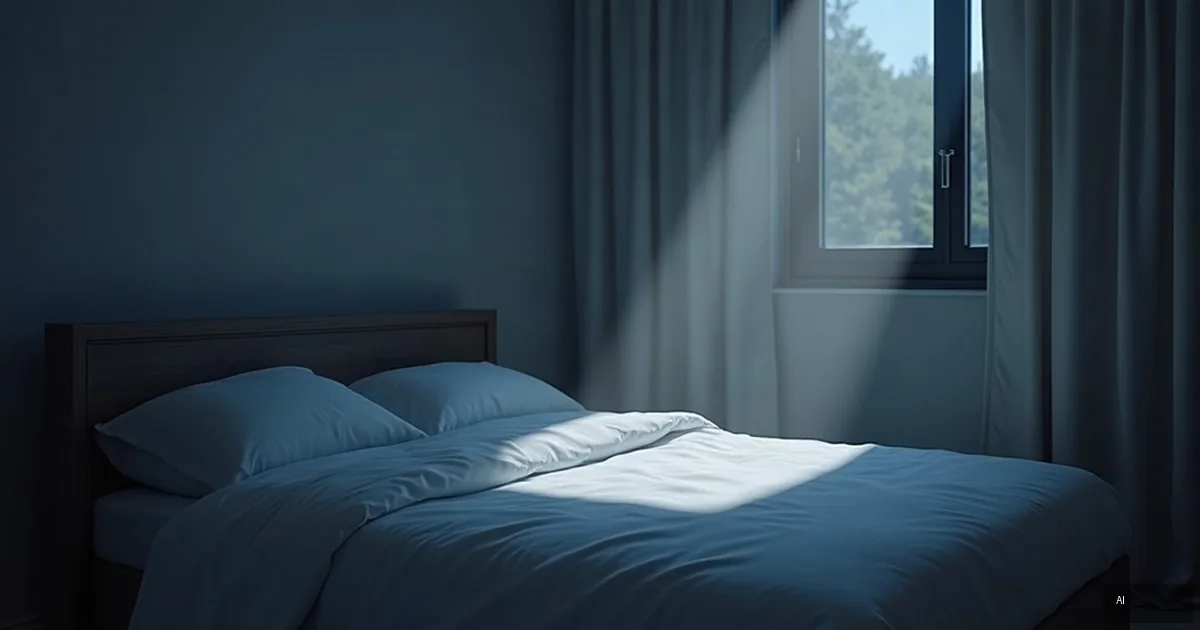
The Importance of Sleep in Sports
Sleep is the most important recovery tool that every athlete has. It is during sleep that muscle tissue repair, hormone synthesis (growth hormone, testosterone) and nervous system recovery occur.
There is evidence that sleep deprivation reduces strength, endurance, reaction time, decision-making speed and increases injury risk.
10 Sleep Hygiene Rules
Follow a consistent schedule — go to bed and wake up at the same time, even on weekends
Create a dark, quiet and cool sleep environment (16-19°C is optimal)
Avoid screens 60-90 min before bed — blue light suppresses melatonin production
Do not use caffeine after 14:00 — its half-life is 5-6 hours
Last heavy meal — 3 hours before sleep
Create a relaxation ritual (reading, meditation, warm bath)
Exercise regularly, but avoid intense training late in the evening
Limit alcohol — it disrupts deep sleep phases
Use a sleep mask and earplugs when travelling or in noisy environments
If you cannot fall asleep within 20 min, get up and engage in a calm activity until you feel sleepy
Sleep Stage Architecture
| Phase | Duration | Process Course | Athletic Significance |
|---|---|---|---|
| NREM 1 (sleep onset) | 5-10 min | Light sleep, easy to wake | Preparation |
| NREM 2 (light sleep) | ~50% of total sleep | Body temperature drops, heart rate slows | Energy conservation |
| NREM 3 (deep sleep) | 20-25% | Physical recovery, peak growth hormone | Muscle repair, immune function |
| REM (rapid eye movement) | 20-25% | Brain activity, dreams, memory consolidation | Motor skill consolidation |
Deep sleep (NREM 3) is especially important for athletes, during which up to 70% of daily growth hormone is released.
Exercises for Better Sleep
These exercises and techniques help you relax before sleep:
- 4-7-8 breathing: inhale through your nose for 4 sec, hold for 7 sec, exhale through your mouth for 8 sec. Repeat 4-5 times.
- Progressive muscle relaxation: tense each muscle group for 5-10 sec, then completely relax.
- Yoga poses before sleep: child's pose, butterfly pose, legs up the wall (Viparita Karani) — calms the nervous system.
- Mindfulness meditation (mindfulness): 10 minutes of focused attention on breathing reduces cortisol levels.
❓ Frequently Asked Questions
Most methods are suitable for most people, but it is always recommended to consult a doctor or physiotherapist before starting a new program.
Results depend on individual characteristics, consistency and the complexity of the problem. Some people notice improvement within 1-2 weeks, others need 4-6 weeks.
Yes, often the best results are achieved by combining several recovery methods. For example, stretching + sleep hygiene + proper nutrition give a synergistic effect.
📚 Additional Resources and Sources
To deepen your knowledge, we recommend:
- Consult a certified physiotherapist
- Read scientific articles in the PubMed database
- Follow sports medicine news
- Use high-quality sports equipment
- Undergo preventive check-ups regularly