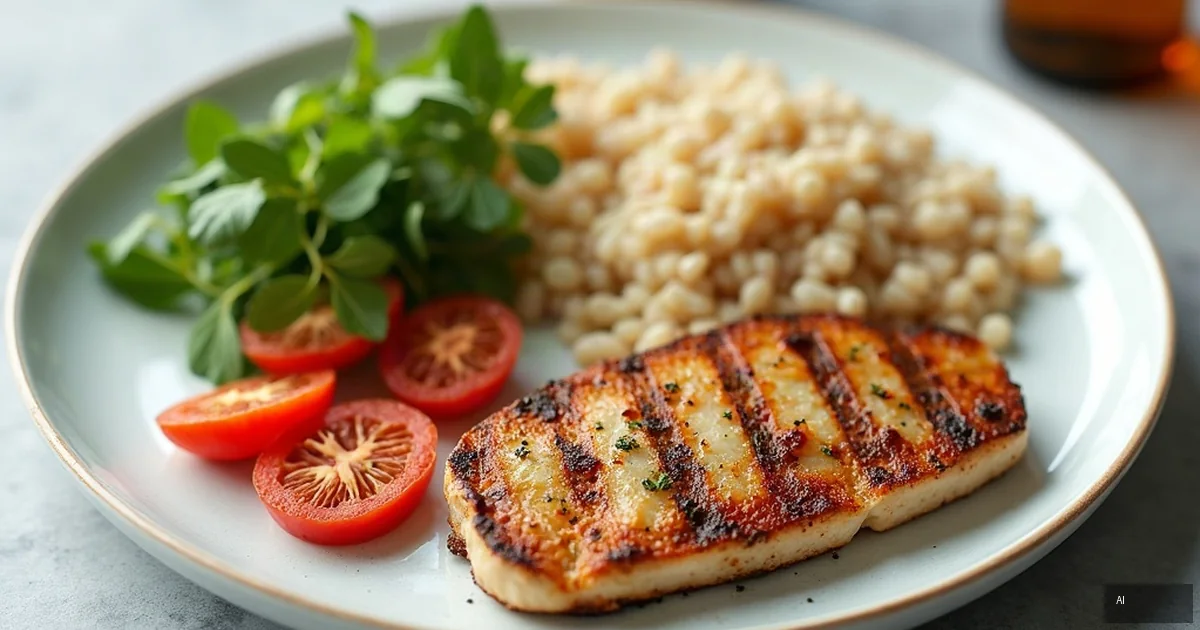
Canned Foods: Myth vs Truth
Many athletes avoid canned products, believing they are inferior to fresh or frozen. In fact, canning can preserve — or even increase — the content of certain nutrients. For example, canned tomatoes contain 2-3 times more lycopene than fresh ones, because heat treatment makes it more bioavailable.
📊 Nutritional Value of Canned Products
| Product (100 g) | kcal | Protein | Sodium (mg) | Advantage | Warning |
|---|---|---|---|---|---|
| Tuna (in its own juice) | 116 | 26 g | 300 | High protein | Mercury (restrict) |
| Sardines (in oil) | 208 | 25 g | 350 | Omega-3, calcium | Drain oil |
| Salmon (in its own juice) | 140 | 22 g | 400 | Omega-3, vitamin D | Choose boneless |
| Beans (rinsed) | 120 | 8 g | 200 | Fiber, protein | Always rinse! |
| Chickpeas (rinsed) | 140 | 7 g | 250 | Fiber, protein | Always rinse! |
| Tomatoes | 32 | 1.5 g | 200 | Lycopene (2-3x more!) | BPA in cans |
| Corn | 80 | 2.5 g | 300 | Fiber | Rinse off syrup |
🐟 Canned Fish — An Athlete's Protein Storehouse
Canned fish is one of the most convenient and cost-effective sources of high-quality protein. 100 g of tuna in its own juice provides 26 g of protein for just ~130 kcal.
- Tuna: An excellent source of protein, but limit to 2-3 cans per week due to mercury. Choose "light tuna" (less mercury than "white/albacore").
- Sardines: Lower mercury risk, edible with bones = extra calcium (380 mg per 100 g!). An excellent source of omega-3.
- Salmon: Most omega-3, vitamin D. Choose "in its own juice" or "in water", avoid in oil (unless olive oil).
- Tip: Always choose "in its own juice" or "in water" rather than in oil. If in oil — drain it.
🫘 Canned Legumes — A Treasure Trove of Fiber and Protein
Canned beans, chickpeas, and lentils are ready to eat immediately — no need to soak overnight and cook for an hour. This is a huge time saving for athletes.
- Always rinse: Draining and rinsing the liquid in which legumes are stored removes added salt.
- Less gas: Rinsing also removes oligosaccharides that cause gas buildup.
- Convenience: Canned chickpeas + tahini + lemon juice + garlic = hummus in 5 minutes. An excellent protein snack.
⚠️ What to Look Out for When Buying Canned Foods?
🧂 Sodium
Canned products can contain 2-5x more sodium than fresh ones. Always rinse. Choose "no added salt" or "low sodium" options.
🧪 BPA
Bisphenol A (BPA) is used in the inner lining of cans. It is an endocrine-disrupting substance. Choose canned foods in glass containers or with a "BPA-free" label.
🍬 Added Sugar
Some canned foods (especially fruit, corn) contain added sugar in syrup. Choose "in its own juice" or "no added sugar".
📅 Expiration Date
Although canned foods last a long time, avoid dented, rusting, or bulging cans — this may indicate a risk of botulism.
🛒 Recommended Products
❓ FAQ About Canned Foods
Do canned foods lose vitamins?
Yes, some heat-sensitive vitamins (especially C and B group) break down during canning. However, fat-soluble vitamins (A, D, E, K) and minerals remain. In addition, the amount of some antioxidants (lycopene in tomatoes) even increases.
Are Canned Foods Suitable for Everyday Nutrition?
Yes, but not as the only food source. Variety is key: fresh + frozen + canned. Aim for canned foods to make up no more than 20-30% of your vegetable and protein sources.