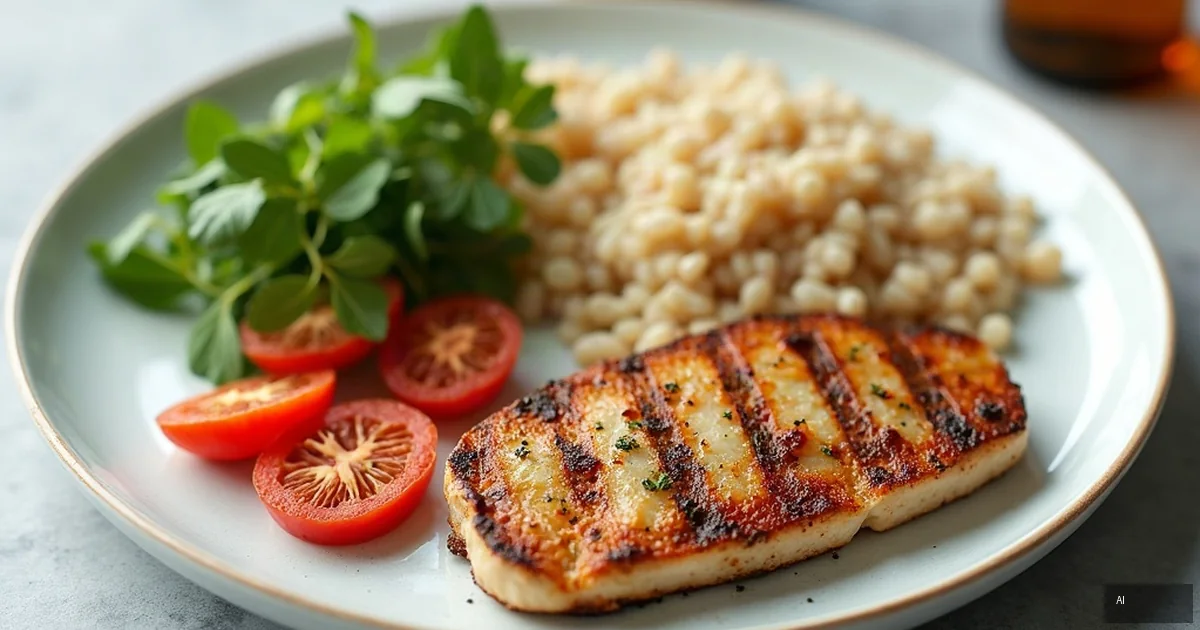
📊 Nutritional Table (100 g)
Below is the detailed nutritional value per 100 grams millet.
| Nutrient | Amount (100 g) | % RDA |
|---|---|---|
| 🔥 Calories (Energy) | 378 kcal | -- |
| 💪 Protein | 11.0 g | -- |
| 🧈 Fats | 4.2 g | -- |
| 🍚 Carbohydrates | 73.0 g | -- |
| 🌾 Fiber | 8.5 g | -- |
| Magnesium | 114 mg | 30% |
| Phosphorus | 285 mg | 41% |
| Manganese | 1.6 mg | 80% |
| Vitamin B6 | 0.4 mg | 31% |
| Iron | 3.0 mg | 17% |
* RDA - Recommended Daily Allowance (EU Regulation 1169/2011). Percentages are calculated for an adult. Athletes' needs may be higher.
💪 Benefits for Athletes
Here are the main millet benefits in an athlete's nutrition:
- Gluten-free - suitable for people with celiac disease
- Magnesium - for muscle and nerve function
- Alkaline effect on the body - rare among grains
- Easily digestible - suitable for a sensitive stomach
🍳 How to Prepare
The best ways to prepare millet, while preserving maximum nutritional value:
- Porridge: cook in water or milk for 15-20 min
- Casserole: cooked millet with eggs, cottage cheese, baked in the oven
- Soup filler: instead of pasta or rice
⚡ When to Eat?
Before training (1.5-2 hours) - easily digestible.
🔄 Substitutions and Alternatives
Best alternatives millet:
Oatmeal, buckwheat porridge, quinoa, corn grits
💡 Tips
- Toast before cooking - nutty flavor
- Rinse with hot water before cooking
- Millet is suitable for both sweet and savory dishes
- Store tightly sealed - millet tends to become bitter
🥄 Portions And How To Include In Diet
One serving — approximately 60–80 g dry millet (yields about a cup cooked). Millet is suitable as a porridge base for breakfast or as a side dish instead of rice because it is gluten-free and easily digestible.
- Breakfast porridge with berries and nuts.
- Side dish with stews or fish.
- Cold salad with vegetables and legumes.
🛒 How To Choose And Store
Buy clean, uniformly colored millet without dust. Before cooking, rinse it several times with water — this removes slight bitterness. Store in an airtight container in a cool, dry place, protected from moisture.
- Dry millet in a dark and dry place — several months.
- Cooked — in the refrigerator for up to 3–4 days.
- Buy in smaller quantities if you consume it rarely so it does not become bitter.
⚠️ Common Mistakes
- If not rinsed — the porridge may be bitter and sticky.
- Too much water — millet becomes mushy; follow the 1:2,5 ratio.
- Millet only — supplement with nuts, milk or legumes for protein.
📋 What Is Important To Know
Millet is a naturally gluten-free grain, so it is suitable for those who avoid gluten. Its carbohydrates are digested more slowly than white flour, and its magnesium content is beneficial for muscle work — magnesium participates in the muscle contraction and relaxation cycle. It is important to remember that gluten-free does not mean "lighter": millet has the same number of calories as other grains.
⚖️ Portions And Daily Norm
- Dry groats: 60–80 g per person — yields a full bowl of porridge.
- Pre-Workout 40–60 g dry millet with fruit is suitable so that carbohydrates are released gradually.
- After Training combine with a protein source because millet contains little protein (see protein requirements).
- Cooked millet doubles or triples in volume, so calculate by dry weight when cooking.
🛒 How to Prepare and Store
- Before cooking, rinse the millet with cold water and briefly toast it in a dry pan — this removes bitterness.
- The water ratio is usually 1:2 or 1:2,5, depending on the desired texture.
- Store dry millet in an airtight container in a cool and dark place — it contains fats that can become bitter when warm.
- Store cooked in the refrigerator for up to 3–4 days and use for salads or baked flatbreads.
🙋 Frequently Asked Questions
Is millet suitable for people with celiac disease? Millet itself does not contain gluten, but check the packaging — it may be contaminated with other grains during processing.
Is millet better than rice? Not better, but different — it has more magnesium and is naturally gluten-free, while rice has a more neutral taste.
Can it be eaten every day? It is possible, but variety is more important — alternate it with buckwheat, oats and other grains.