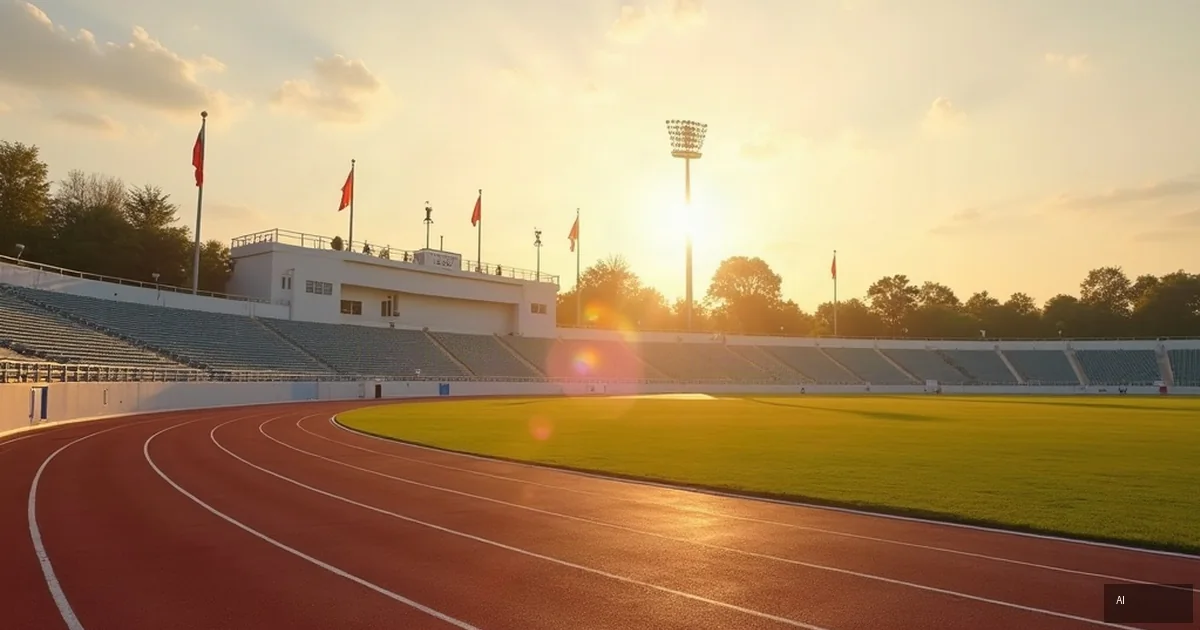
🏀 Basketball — Lithuania's Heart
In Lithuania, they say basketball is the second religion. It is not just a sport — it is part of national identity. From the 1937 European champions title to modern NBA stars — basketball unites the whole nation.
🏆 Lithuania's Basketball Golden Age
| Year | Achievement | Team / Person | Significance |
|---|---|---|---|
| 1937 | European Champions | Lithuanian National Team | First major international achievement |
| 1939 | European Champions (2×) | Lithuanian National Team | Lithuania became a basketball superpower |
| 1992 | Olympic Bronze | Lithuanian National Team | Symbol of the restoration of independence in Barcelona |
| 1995 | European Vice-Champions | Lithuanian National Team | Silver in Athens — the peak of the Sabonis era |
| 2003 | European Champions (3×) | Lithuanian National Team | After a 64-year break — champions again! |
| 2011 | NBA Champions | Žydrūnas Ilgauskas | First Lithuanian with an NBA ring (as assistant coach) |
| 2023 | World Championship | Lithuanian National Team | 6th place — defeated the USA national team! |
🌟 Other Popular Sports
Football
Although in basketball's shadow, football is rapidly growing in popularity. LFF A Lyga, the national team's play at the NATO stadium. ~30,000 registered players.
Athletics
Virgilijus Alekna (discus throw), Austra Skujytė (heptathlon) — legends of Lithuanian athletics. Discus throw — a Lithuanian event.
Combat Sports
MMA and boxing have a strong tradition. Sergėjus Maslobojevas (Glory champion), Ignas Barysas (boxer) represent the country in the international arena.
Cycling
Rasa Leleivytė, Ignatas Konovalovas — professional cyclists. Cycling infrastructure is being developed in Lithuania, road and MTB are growing in popularity.
🇱🇹 Lithuanian Sports Legends
- Arvydas Sabonis: considered one of the best centers of all time in the world. A 221 cm tall giant who changed the perception of basketball. First Lithuanian in the NBA (1995).
- Šarūnas Jasikevičius: one of the most decorated European basketball players. 4× EuroLeague champion as a player, now an elite coach.
- Virgilijus Alekna: 2× Olympic champion, 2× world champion in discus throw. One of the greatest discus throwers of all time.
- Rūta Meilutytė: Olympic champion at just 15 years old (2012 London). World record holder and later returned to the top.
💊 Athlete's Nutrition and Recovery Guide
Whatever your sport, proper nutrition is the foundation for results. Here are the key nutrition principles followed by professional athletes:
Protein
1.6–2.2 g/kg of body weight per day. Choose: chicken, fish, eggs, whey protein, plant proteins.
Carbohydrates
4–7 g/kg depending on the workload. Whole-grain products, fruits, vegetables. Before and after training.
Healthy Fats
0.8–1.2 g/kg. Avocados, nuts, olive oil, omega-3 fatty acids.
Hydration
30–40 ml/kg per day. During sport: 500–1000 ml/h with electrolytes for longer workouts.
Recovery Strategies
- Sleep: 7–9 hours of quality sleep. Growth hormone is released during deep sleep.
- Active Rest: Light movement on rest days improves circulation and reduces muscle soreness.
- Contrast Shower: Alternate hot and cold water — it improves circulation and reduces inflammation.
- Massage and stretching: Regular stretching and massage reduce injury risk and improve flexibility.
💡 Practical Tips
Training Planning
Periodize your training: after an intense cycle, be sure to include a recovery week. Progress happens during rest, not during training.
Journal
Record your workouts, nutrition and sleep quality. After a month, you will have data showing what works best.
Listen to Your Body
Pain is not a sign of weakness — it is a signal. Learn to distinguish good muscle fatigue from injury risk.
Small Goals
Set short-term, achievable goals. Every small win builds motivation for bigger challenges.
🛒 Sports Supplements for Your Goals
Whatever your sport or record — proper nutrition and supplements help you achieve more. Choose the ones that suit you best: