Is Natural Sports Nutrition?
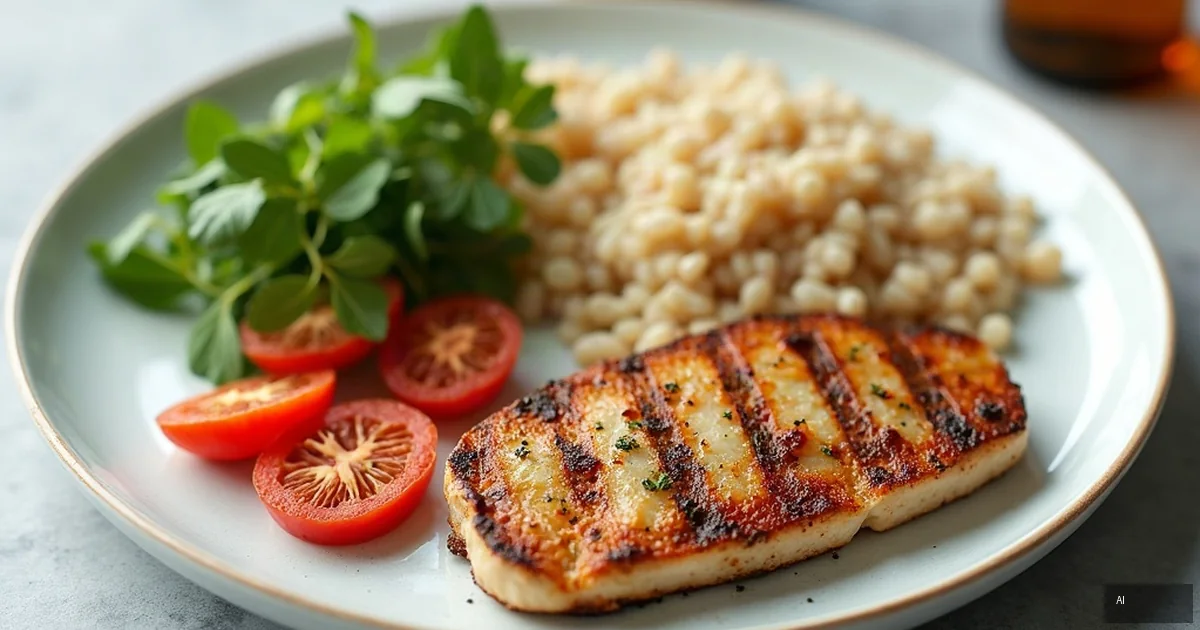
Natural sports nutrition ("clean eating", "whole food nutrition") is a nutrition philosophy according to which we choose minimally processed, natural products. No food supplements in powder form, no semi-finished products, no artificial sweeteners, colorings or preservatives. Real food — the kind your great-grandparents would recognize.
This approach has many advantages: natural products have more micronutrients, antioxidants and phytochemicals in synergy that cannot be replicated by tablets or powders. In addition, natural food is often better absorbed and causes fewer digestive problems.
🔺 The Natural Sports Nutrition Pyramid
Proteins (Level 1)
Free-range animals: beef, lamb, chicken, eggs. Wild fish: salmon, mackerel, herring. Organ meat: liver, heart (1-2×/week). Bone broth for collagen.
Fats (Level 2)
Olive oil (extra virgin), coconut oil, avocados, butter (grass-fed), lard. Nuts and seeds: almonds, walnuts, pumpkin seeds, chia.
Carbohydrates (Level 3)
Sweet potatoes, potatoes, pumpkins, carrots. Fruits: bananas, apples, berries, citrus fruits. Whole grains: oats, buckwheat, quinoa, brown rice. Legumes: lentils, chickpeas.
Vegetables and Greens (Level 4)
Leafy vegetables: spinach, kale, arugula. Cruciferous: broccoli, cauliflower. Root vegetables: beets, celery. Fermented: sauerkraut, kimchi.
🏆 Superfood for Athletes — TOP 10 Natural Products
| Rank | Superfood | Main benefit for the athlete | How to use |
|---|---|---|---|
| 1 🥇 | Eggs (from free-range hens) | Complete amino acid profile, choline for the brain, vitamin D | 2-4 eggs per day — boiled, fried, omelette |
| 2 🥈 | Wild salmon | Omega-3 (DHA+EPA), astaxanthin (antioxidant), protein | 2-3×/week, 150-200 g each |
| 3 🥉 | Beef liver | Iron, B12, copper, vitamin A — "nature's multivitamins" | 1-2×/week, 100 g each (no more due to vitamin A) |
| 4 | Sweet potatoes | Complex carbohydrates, beta-carotene, potassium | 200-300 g after training — baked, boiled, mashed |
| 5 | Greek yogurt (full-fat) | Protein, probiotics for the gut, calcium | 200 g per day — with berries, nuts, honey |
| 6 | Spinach / kale | Iron, magnesium, nitrates (improve blood circulation!) | Daily — in salads, smoothies, steamed |
| 7 | Blueberries / forest berries | Antioxidants (anthocyanins), reduce inflammation after training | Daily 100-150 g — fresh or frozen |
| 8 | Bone broth | Collagen, gelatin for joints, intestinal mucosa | Daily 200-300 ml — as a soup base |
| 9 | Avocado | Monounsaturated fats, potassium (more than in a banana), vitamin E | 1/2–1 avocado per day |
| 10 | Beets | Nitrates → nitric oxide (improve endurance, blood circulation) | Before training: beet juice (200-300 ml), baked beets |
📅 Seasonal Natural Nutrition Plan in Lithuania
Natural nutrition encourages eating seasonal products — they are fresher, cheaper and have more nutrients:
- Spring (March-May): Radishes, spinach, dill, spring onions, eggs, nettles, asparagus, rhubarb. Focus — greens, detox after winter.
- Summer (June-August): Berries (strawberries, blueberries, raspberries), tomatoes, cucumbers, zucchini, peppers, fresh potatoes. Focus — fresh vegetables, light food.
- Autumn (September-November): Pumpkins, apples, pears, beets, carrots, cabbage, mushrooms. Focus — root vegetables, preserving for winter.
- Winter (December-February): Sauerkraut, beets, carrots, potatoes, onions, garlic, apples (stored). Focus — fermented products, warm stews, soups.
🙋 FAQ About Natural Sports Nutrition
Is natural nutrition suitable for professional athletes?
Yes, but more careful planning may be required. For professionals whose calorie needs exceed 4000-5000 kcal, natural nutrition can be a challenge due to the amount of food. In that case, some natural concentrates (spirulina, bee pollen) can help.
Can I get enough protein without powders?
Yes. 200 g chicken = 62 g protein, 4 eggs = 25 g, 200 g cottage cheese = 36 g, 150 g salmon = 38 g. That is already 161 g protein — enough for an 80 kg athlete.
How to replace sweets naturally?
Dates, figs, banana with cocoa, apple with cinnamon and nut butter, frozen berries with Greek yogurt. Natural sweets not only satisfy a craving for sweets but also provide vitamins and antioxidants.