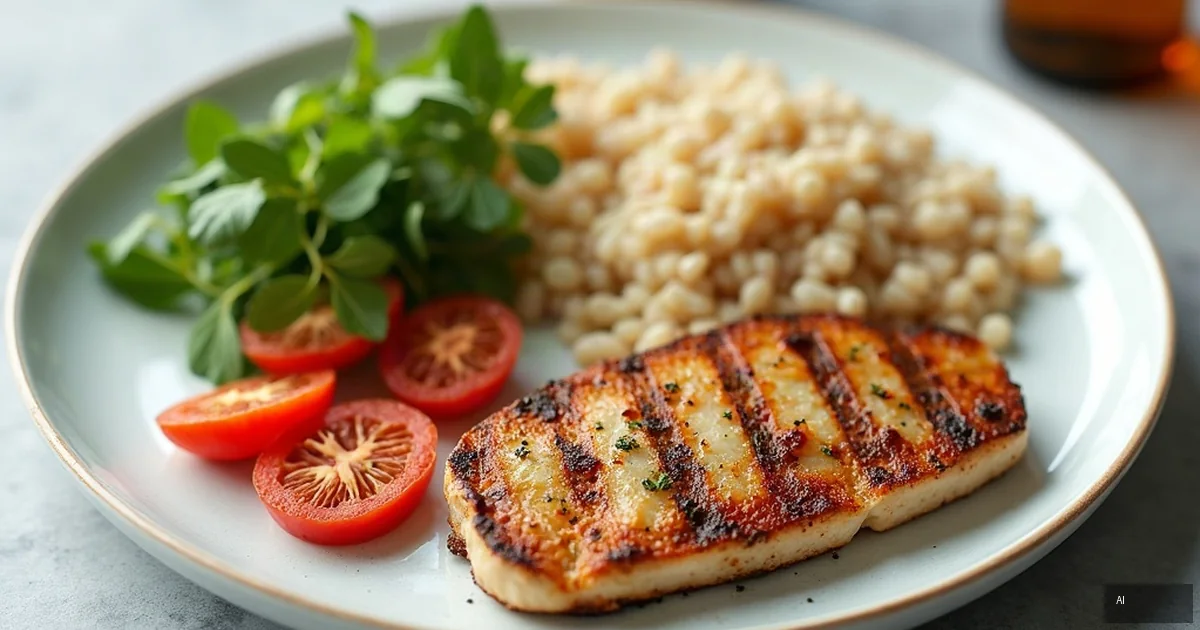
📖 Is it really possible to exercise without supplements?
Yes, and most amateur athletes can achieve excellent results without any supplements. Dietary supplements, as the name suggests, are intended to supplement the diet, not replace it. All necessary macronutrients (protein, carbohydrates, fats) and micronutrients (vitamins, minerals) can be obtained from regular food.
Supplements become relevant only when: a) the athlete's calorie requirement is very high (> 4000 kcal/day) and it is difficult to get enough protein; b) there are specific medical deficiencies (e.g., vitamin D in winter); c) the athlete is aiming for professional results, where every percent matters.
📊 Natural substitutes for all main supplements
| Supplement | Natural source | Amount in product | Recommended Daily Allowance |
|---|---|---|---|
| Whey protein | Chicken, eggs, cottage cheese, fish | 20-31 g / 100 g | 1.6-2.2 g/kg body weight |
| Creatine | Red meat, salmon, herring | 0.5-1 g / 100 g meat | 1-2 g (from food) / 5 g (supplement form) |
| BCAA | Eggs, chicken, beef, fish | Included in protein composition | Obtained with sufficient protein intake |
| Omega-3 | Salmon, mackerel, herring, walnuts | 1-2 g / 100 g fish | 2-3 g per day |
| Magnesium | Pumpkin seeds, almonds, spinach, dark chocolate | 200-500 mg / 100 g | 300-400 mg |
| Zinc | Oysters, beef, pumpkin seeds, chickpeas | 4-8 mg / 100 g | 15-30 mg |
| Vitamin D | Fatty fish, egg yolks, mushrooms (grown in the sun) | 5-15 µg / 100 g | 20-50 µg (800-2000 IU) |
| Iron | Red meat, liver, spinach, lentils | 2-6 mg / 100 g | 8-18 mg |
| Calcium | Milk, yogurt, cheese, sesame seeds, sardines | 100-400 mg / 100 g | 1000-1200 mg |
📅 Weekly menu without supplements (3000 kcal/day)
| Day | Breakfast (700 kcal) | Lunch (900 kcal) | Dinner (800 kcal) | 2 snacks (600 kcal) |
|---|---|---|---|---|
| Mon. | Oatmeal + 3 eggs + banana | Chicken (200 g) + rice (200 g) + broccoli | Salmon (150 g) + potatoes + salad | Cottage cheese (200 g) + apple + nuts (30 g) |
| Tue. | Omelet (4 eggs) + rye bread + tomatoes | Tuna salad + pasta + vegetables | Beef steak (150 g) + sweet potatoes + spinach | Yogurt + banana + almonds (30 g) |
| Wed. | Oatmeal + cottage cheese (150 g) + berries | Chicken (200 g) + quinoa + steamed vegetables | Mackerel (150 g) + potatoes + sauerkraut | Eggs (3 pcs) + fruit + walnuts |
| Thu. | Scrambled eggs (4 eggs) + oat bread + avocado | Turkey (150 g) + rice + asparagus | Lentil stew + beef (100 g) + vegetables | Yogurt + banana + pumpkin seeds (30 g) |
| Fri. | Oatmeal + 3 eggs + apple | Salmon (150 g) + potatoes + salad | Chicken thighs (200 g) + buckwheat + vegetables | Cottage cheese (200 g) + pear + almonds (30 g) |
| Sat. | Oat Pancakes + Cottage Cheese + Berries | Beef (150 g) + Pasta + Tomato Sauce | Turkey (150 g) + Sweet Potatoes + Broccoli | Eggs (3 pcs.) + Apple + Cashews |
| Sun. | Omelet (4 Eggs) + Avocado + Rye Bread | Chicken (200 g) + Rice + Vegetables | Tuna (2 Cans) + Salad + Olives + Feta Cheese | Yogurt + Banana + Nuts (30 g) |
🙋 FAQ About Nutrition Without Supplements
Can I Build Muscle Without Protein Powder?
Yes! For muscle growth, the most important thing is total daily protein intake (1.6-2.2 g/kg) and a calorie surplus. This is easily achieved with 3-4 complete meals: eggs for breakfast, chicken/fish for lunch, cottage cheese/yogurt for dinner.
Do I Need Creatine If I Eat a Lot of Meat?
Only about 0.5-1 g of creatine per day is obtained from meat, and the body produces about another 1 g itself. The optimal dose for an athlete is 5 g. Thus, creatine monohydrate is one of the few supplements that is difficult to get enough of from food alone.
Which Vitamins and Minerals Are Hardest to Get Without Supplements?
Vitamin D (especially in winter in Lithuania), magnesium (the soil is depleted, so there is less of it in products as well), and omega-3 (if you do not eat fatty fish 2-3 times per week). These are three supplements worth considering even for a supporter of the "without supplements" philosophy.