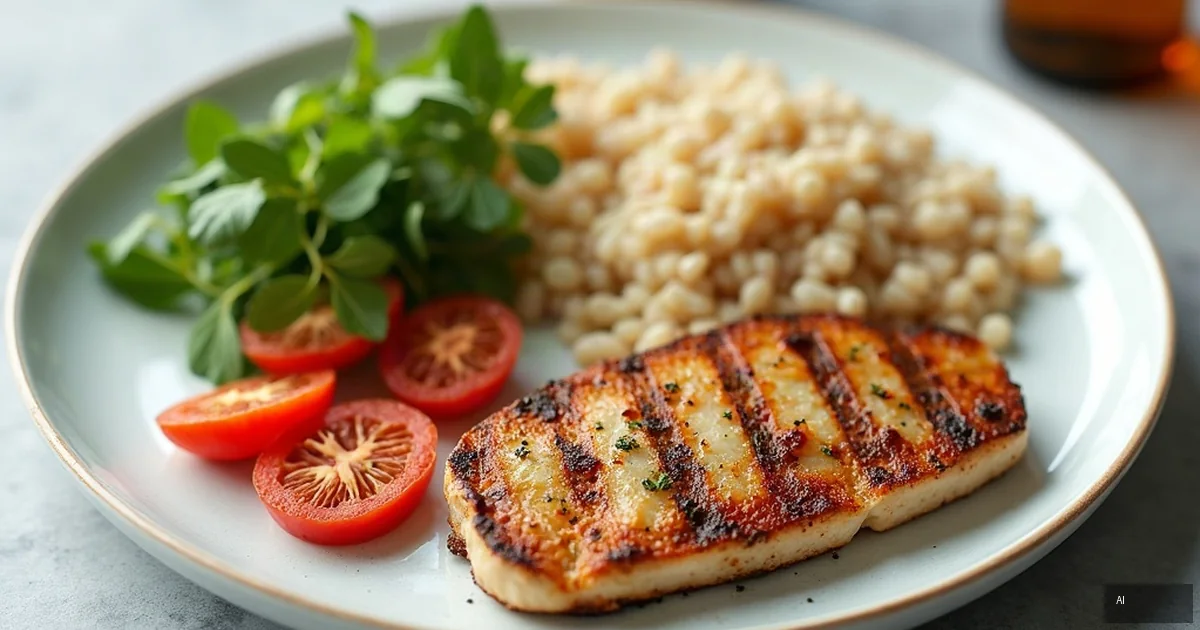
What Is Nutrient Timing and Why Does It Matter?
Nutrient timing (timing of nutrients) — is a strategy in which you not only calculate HOW MUCH you eat, but also WHEN. Although total daily calories and macronutrients are the most important factor, correct timing can increase results by 10–20%. This is especially relevant for professionals and those seeking to squeeze the maximum out of their efforts.
📊 Daily Nutrient Timing Plan — Ideal Schedule
| Time | Meal | Priority | Example |
|---|---|---|---|
| 7:00 | Breakfast | Protein + complex carbohydrates | Eggs + oats + fruit |
| 10:00 | Snack | Protein + fiber | Greek yogurt + nuts |
| 12:00 | Before training (2–3 h) | Carbohydrates + protein | Chicken + rice + vegetables |
| 14:00 | WORKOUT | Hydration | Water / isotonic drink |
| 15:00 | After training (30–60 min) | Protein + fast carbohydrates | Whey protein + banana |
| 17:00 | Dinner | Protein + vegetables | Salmon + broccoli + sweet potatoes |
| 21:00 | Before Sleep | Slow protein (casein) | Cottage cheese or casein shake |
🌅 Breakfast — The Most Important Meal of the Day?
Breakfast "breaks the night fast" (break-fast). Overnight, the body was in a catabolic state — muscle protein synthesis reduced, cortisol increased. A good breakfast stops this process:
- Protein (25–40 g): Immediately activates muscle protein synthesis. Eggs, cottage cheese, protein shake
- Complex carbohydrates (40–60 g): Replenishes liver glycogen, provides energy for the day. Oats, whole-grain bread
- Fruits / vegetables: Vitamins, antioxidants, fiber
- When to eat: Within 60–90 min after waking, especially if you plan a morning workout
🏋️ Before Training — When and What to Eat
The timing of pre-workout nutrition determines whether food will be a source of energy or a burden on the stomach:
⏰ 3–4 h before
A full meal: 40–60 g carbohydrates + 30–40 g protein + 10–15 g fat. E.g.: chicken + potatoes + vegetables.
⏰ 1–2 h before
A light meal: 30–40 g carbohydrates + 15–20 g protein. Minimal fat. E.g.: banana + Greek yogurt.
⏰ 30–60 min before
Only fast carbohydrates: 20–30 g. E.g.: banana, sports drink. Avoid fats and hard-to-digest proteins.
⚡ Right before
Caffeine (3–6 mg/kg) or pre-workout. Food at this point will no longer provide energy — it will only interfere.
🔄 After Training — The Anabolic Window
The first 30–120 minutes after training — this is the time when muscles are most sensitive to nutrients:
- Within 30 min: 20–40 g fast-absorbing protein (whey) + 40–80 g carbohydrates. The sooner, the better
- Within 1–2 h: A full meal with protein, carbohydrates, and vegetables
- After 2 h: Continue regular meals every 3–4 hours
🌙 Dinner and Nutrition Before Sleep
Sleep — this is your natural growth hormone peak. Proper nutrition before sleep can turn the night into a muscle-building period:
- Casein protein (30–40 g): Slow-release protein (cottage cheese, casein shake) — feeds muscles throughout the night. There is evidence of 22% higher muscle protein synthesis during the night
- Carbohydrates in the evening: Not necessary unless you have a second workout in the evening. Excess carbohydrates before sleep can be stored as fat
- Avoid: Large portions remaining < 2 hours before sleep, caffeine after 16:00, spicy food
🛒 Recommended Products
💡 Practical Tips
📱 Intermittent fasting (IF)
If you practice 16:8 fasting — eat within the 8-hour window that includes your workout. Work out at the end of the eating window, and have your largest meal immediately after.
🔁 Meal Frequency
3–5 meals per day. Distributing protein across 3–4 meals (25–40 g each) is thought to be more effective for muscle synthesis than 1–2 large meals.
📅 Sport-Specific Considerations
Endurance athletes: more carbohydrates in the morning and before training. Strength athletes: more protein after training. Team-sport athletes: balanced distribution.
🌡️ Fat Timing
Fats slow digestion — avoid them right before and immediately after training. Move fats to the morning or evening, away from the training window.
❓ Frequently Asked Questions
Is It Important to Eat Every 3 Hours?
Not as important as previously thought. Protein synthesis remains elevated for 3–4 hours after a meal. Therefore, meals every 3–4 hours are optimal. Meals every 2 hours provide no additional benefit and only make digestion harder.
Can You Eat Carbohydrates in the Evening?
Yes, if you meet your daily calorie target. The myth that carbohydrates after 18:00 turn into fat has been debunked. For some people, carbohydrates in the evening even improve sleep (increased serotonin production). But if your goal is fat burning, it is better to consume carbohydrates in the morning and around training.
What Should I Do If I Train Early in the Morning?
20–30 g of whey protein or BCAA (10 g) immediately after waking. After training — a full breakfast. If the workout is short (<45 min.) ir ne itin intensyvi, galite treniruotis nevalgius.
📋 Sample Daily Plans by Goal
Muscle Gain (3000 kcal):
- 7:00 — 4 eggs + 100 g oats + banana
- 10:00 — Greek yogurt (200 g) + nuts (30 g)
- 13:00 — Chicken (200 g) + rice (250 g) + vegetables
- 15:00 — WORKOUT
- 16:00 — Whey protein (30 g) + banana + 50 g oats
- 19:00 — Salmon (200 g) + potatoes (250 g) + salad
- 22:00 — Cottage cheese (200 g) or casein shake