Types of Sports Tourism
Sports tourism covers several types: hiking, water, mountain, cycling and ski. All require specific preparation and equipment.
🥾 Hiking Tourism
The most popular type. Hikes last from 1 day to several weeks. Most important — proper footwear and backpack.
🚣 Water Tourism
Kayaks, canoes, rafts. Requires rowing skills and water safety knowledge.
⛰️ Mountain Tourism
High mountains, passes, glaciers. Requires special equipment (crampons, ice axes) and acclimatization.
🚵 Cycling Tourism
Long-distance cycling. Requires endurance, repair skills and lightweight equipment.
Equipment Selection and Backpack Weight
Golden rule: backpack weight must not exceed 20–25% of your body weight. For an 80 kg person — max 16–20 kg with water and food.
| Equipment | Weight (g) | Necessity | Recommendation |
|---|---|---|---|
| Backpack | 1500–2500 g | Essential | 50–70 l capacity, with hip belt |
| Tent | 1500–3000 g | Essential | 3-season, double-layer |
| Sleeping bag | 800–1500 g | Essential | Comfort temp. -5°C to +5°C |
| Stove | 100–500 g | Recommended | Gas or alcohol |
Weight Optimization Principles:
- "Big Three": Tent + sleeping bag + backpack — this is where you can save the most weight.
- Multi-functional items: One item = several functions.
- Minimalism: Take only what you will really need. "Might need" items stay at home.
- Weighing: Weigh every item before the hike. 100 g here, 100 g there — and backpack weight drops by 2 kg.
Physical Preparation for Hikes
A multi-day hike with a 15–20 kg backpack — a serious physical challenge. You walk 15–25 km per day and burn 3000–5000 kcal.
8-Week Preparation Program:
- Weeks 1–2: Walking without a backpack 5–8 km, 3×/week. Stretching exercises.
- Weeks 3–4: Walking with a 5–8 kg backpack 8–12 km, 3×/week.
- Weeks 5–6: Walking with a 10–15 kg backpack 12–18 km, 2×/week + hills.
- Weeks 7–8: Full backpack (15–20 kg), 15–20 km with vertical ascent.
Nutrition During the Hike
Calorie requirement during a hike: 3000–5000 kcal/day. Food must be light, calorie-dense and not require long cooking.
Daily Food Plan (Example):
- Breakfast: Oatmeal with dried fruit and nuts (600 kcal).
- Snacks on the trail: Nuts, dried fruit, energy bars (800 kcal per day).
- Lunch: Whole-grain crackers with cheese or sausage (700 kcal).
- Dinner: Freeze-dried food or pasta with sauce (900 kcal).
- Water: 3–5 liters per day (depending on temperature and load).
🏆 Athlete's Nutrition and Recovery Guide
Regardless of the sport, these nutrition and recovery principles are universal and help achieve the best results.
Key Nutrition Principles:
- Protein: 1.6–2.2 g/kg of body weight per day. Consume protein every 3–4 hours to maintain a stable amino acid concentration in the blood.
- Carbohydrates: 4–7 g/kg per day (depending on the sport's intensity). Before training, choose fast carbohydrates; after training, choose complex ones.
- Fats: 0.8–1.2 g/kg per day. Prioritize unsaturated fatty acids (omega-3, olive oil, avocados).
- Hydration: 35–40 ml/kg of body weight per day. During training — an additional 500–1000 ml per hour.
- Micronutrients: Magnesium (300–400 mg/d), zinc (15–25 mg/d), iron (for athletes up to 18 mg/d), vitamin D3 (2000–4000 IU/d).
Recovery Protocol:
- Sleep: 8–9 hours of quality sleep. During sleep, growth hormone is released, which is responsible for muscle recovery and adaptation.
- Active Rest: 1–2 days per week without intense training. Light walking, swimming, or stretching exercises accelerate recovery.
- Massage and Self-Massage: At least 10–15 min per day for problem areas. A foam roller is an excellent tool for self-massage at home.
- Contrast Shower: 1 min hot water + 30 sec cold, repeat 3–4 times. Improves blood circulation and reduces muscle pain.
- Post-Workout Nutrition: Within 30–60 min after training — protein (25–40 g) + carbohydrates (50–80 g) for optimal recovery.
🛒 Recommended Products
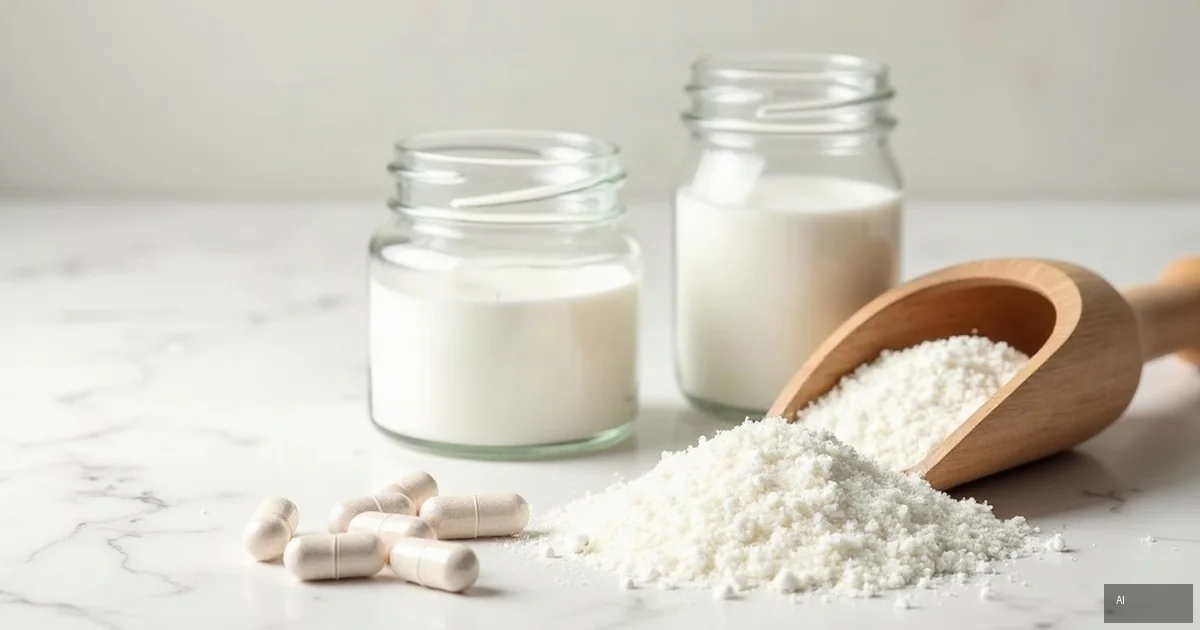
💊 Sports Supplement Usage Guide
Properly selected sports supplements can significantly improve training results, accelerate recovery, and reduce the risk of injury. Here is what sports nutrition specialists recommend:
| Supplement | Purpose | Recommended dose | When to take |
|---|---|---|---|
| Whey protein | Muscle recovery and growth | 25–35 g serving | After training, between meals |
| Creatine | Increasing strength and explosive power | 3–5 g per day | At any time, consistently |
| Omega-3 | Inflammation reduction, joint health | 1–3 g per day | With food |
| Magnesium | Muscle function, sleep quality | 300–400 mg per day | In the evening before sleep |
| BCAA/EAA | Muscle protection during intense training | 10–15 g before/after training | Before or during training |
| Electrolytes | Hydration support | As needed (when sweating) | During and after training |
🏥 Injury Prevention in Sports
Injuries are an inevitable part of sport, but proper prevention can reduce their risk. Here are universal injury prevention principles applicable in all sports:
- Warm-Up: 10–15 min of dynamic warm-up before every training session. The warm-up should imitate the main movements of the sport.
- Stretching after training: 10 min of static stretching after training helps maintain muscle elasticity and reduces the risk of injury.
- Progressive Load Increase: Never increase training load by more than 10% per week. Too-rapid progression is one of the most common causes of injury.
- Proper equipment: Footwear, protective gear, equipment — everything must be properly fitted and checked regularly.
- Rest Days: Muscles, tendons and bones need time to adapt. 1–2 rest days per week are essential.
- Hydration: Dehydration increases the risk of muscle strain. Drink water regularly throughout the day.
- Listen to your body's signals: Pain is not a sign of weakness — it is the body's warning. Sharp pain means you need to stop.
🧠 Mental Preparation for Competition
An athlete's success is determined 60–70% by physical preparation and 30–40% by psychological mindset. Here are mental strategies used by professionals to help achieve the best results during competition:
Before Competition:
- Visualization: 2–3 days before competition, mentally "review" your performance — from warm-up to finish. Visualization activates the same brain areas as real action.
- Creating a Routine: Create a consistent pre-competition routine — the same food, the same warm-up, the same music. Routine calms the nervous system.
- Goal Setting: Set process goals (e.g., "perform the technique well"), not only outcome goals (e.g., "win"). Process goals are within your control.
During Competition:
- Breathing Control: Deep diaphragmatic breathing (inhale for 4 sec, exhale for 6 sec) helps maintain calm and concentration.
- Focusing on the Present: Do not think about the past mistake or the future result. One action at a time — only what you are doing now.
- Positive self-talk: "I am ready", "I can do this", "I trust my training" — positive statements block negative thoughts.