🛒 Recommended Supplements
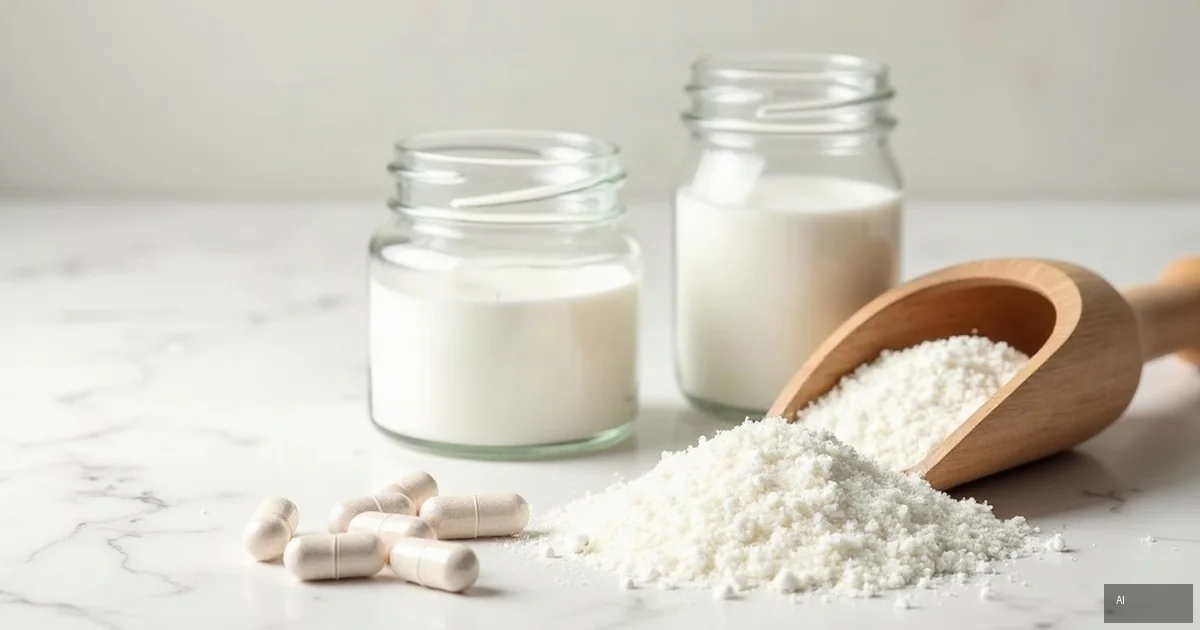
Are There Supplement Interactions?
A supplement interaction is the effect one dietary supplement has on another supplement's absorption, metabolism, or effectiveness. In the sports world, where supplement use is especially widespread, understanding these interactions can mean the difference between results and wasting money.
Some supplements synergistically enhance each other (e.g., creatine + carbohydrates), while others neutralize each other or cause unwanted side effects (e.g., large doses of caffeine and creatine together).
📊 Key Sports Supplement Interactions
| Supplement Combination | Interaction Type | Effect | Recommendation |
|---|---|---|---|
| Creatine + Caffeine | ⛔ Possible Antagonism | Caffeine may reduce creatine effectiveness (some studies) | Leave a 2–3 hour gap or take at different times |
| Creatine + Carbohydrates | ✅ Strong Synergy | Insulin increases creatine transport into muscles by up to 60% | Always together after training (5 g creatine + 30–50 g carbohydrates) |
| Beta-Alanine + Creatine | ✅ Synergy | Act on different energy systems: phosphocreatine and carnosine | Together before training. Beta-alanine 3–5 g, creatine 5 g |
| Citrulline + Arginine | ✅ Synergy | Citrulline increases blood arginine levels more effectively than arginine itself | Citrulline malate 6–8 g + arginine 3–5 g before training |
| Protein + BCAA/EAA | ⚠️ Redundant | If you consume enough protein (2+ g/kg), BCAA are unnecessary | Choose one: either complete proteins or EAA. BCAA only if deficient |
| Zinc + Magnesium (ZMA) | ✅ Synergy | Zinc and magnesium synergistically affect testosterone production and sleep | 30–60 min before sleep, on an empty stomach |
| Green Tea (EGCG) + Caffeine | ✅ Synergy | EGCG and caffeine synergistically increase thermogenesis | Before training or in the morning. Protect the liver — do not exceed 800 mg EGCG/d. |
| Iron + Calcium | ⛔ Antagonism | Calcium blocks iron absorption by up to 50–60% | Leave at least a 2-hour gap. Iron in the morning, calcium in the evening |
🧪 Pre-Workout Composition: What to Combine, What Not?
✅ Caffeine + L-Theanine
The gold standard. Theanine eliminates caffeine-induced jitteriness while maintaining alertness. Ratio 1:2 (100 mg caffeine: 200 mg theanine).
✅ Citrulline + Beta-Alanine
Together they increase nitric oxide production (pump) and buffer lactic acid (endurance). An excellent foundation for any pre-workout.
⚠️ Caffeine + Synephrine
Both are stimulants — they increase blood pressure and heart rate. Be careful with doses! It is better to choose one.
⛔ Caffeine + Ephedrine
Dangerous combination! Both strong stimulants together can cause arrhythmia and hypertensive crisis. NOT RECOMMENDED.
⏰ Optimal Supplement Intake Schedule
Morning (empty stomach)
Iron (if needed) with vitamin C. Probiotics. B-group vitamins. Avoid calcium and magnesium.
Breakfast
Vitamin D3 + K2 (with fat!). Omega-3 fatty acids. Multivitamins (if you take them). Creatine (5 g).
Before Training (30–45 min)
Caffeine 3–6 mg/kg. Citrulline 6–8 g. Beta-alanine 3–5 g. L-Theanine (if with caffeine). BCAA/EAA (if training fasted).
After Training
Protein (25–40 g) + carbohydrates (30–50 g). Creatine (5 g). L-Carnitine (if you take it).
Evening / Before Sleep
Magnesium glycinate or citrate (200–400 mg). Zinc (15–30 mg). Casein (30–40 g). Melatonin (0.3–3 mg, if needed).
🎯 Supplement Combinations by Goal
| Goal | Core Supplements | Synergists | Avoid Together |
|---|---|---|---|
| Muscle Gain | Creatine, Protein, EAAs | Carbohydrates (insulin response), HMB | Excessive Caffeine Intake |
| Weight Loss | Caffeine, Green Tea, L-carnitine | EGCG, Capsaicin, Chromium | — (all compatible) |
| Strength Gain | Creatine, Beta-alanine, Citrulline | Carbohydrates, Sodium (salt before workout) | Alcohol After Workout |
| Recovery | Protein, Omega-3, Magnesium | Curcumin (with piperine), Vit. D3+K2 | Alcohol (suppresses MPS) |
| Sleep Improvement | Magnesium, Zinc, Melatonin | Glycine, GABA, L-theanine | Caffeine After 14:00, B-Group Vitamins in the Evening |
| Immunity | Vit. D3, Zinc, Vit. C | Quercetin, Echinacea (Echinacea) | — |
💡 Pro Tips for Long-Term Success
📅 Plan Cycles in Advance
Align stimulant cycles with training periodization. Deload weeks — an ideal time for a stimulant break.
🔄 Have a Backup Plan
Always have non-stimulant alternatives: citrulline, beta-alanine, L-theanine, electrolytes. They help when you need energy without stimulation.
📊 Track Your Doses
Record your caffeine and other stimulant intake. It is difficult to optimize what you do not measure.
🧘 Manage Stress
Meditation, breathing, walks in nature — reduce the need for stimulants. The less stress, the less caffeine you need.
❓ Frequently Asked Questions
Q: Are stimulant cycles mandatory?
A: If you use stimulants rarely (1–2×/week) — cycles are not necessary. If daily and you feel they no longer work — cycles are essential to restore effectiveness.
Q: How to get through the first days without stimulants?
A: Plenty of water, light exercise, early sleep, adaptogens (Rhodiola, Ashwagandha). The first 3–5 days are the hardest, after that — easier.
Q: Can I drink decaf coffee?
A: Yes! It is a great way to maintain the coffee-drinking ritual without stimulation. Decaf coffee has <5 mg of caffeine — practically zero.
🧠 Myths and Truth
❌ Myth: It works the same for everyone
✅ Truth: Everyone's body is unique. Genetics, hormone levels, training experience, and dietary habits determine the individual response. What works for one person will not necessarily work for another.
❌ Myth: The more, the better
✅ Truth: More is not always better. Too high doses, too frequent training, or too long a protocol can have the opposite effect. The sweet spot is the key to success.
❌ Myth: Results are visible immediately
✅ Truth: The body needs time to adapt. The first changes — within 2–4 weeks. Significant results — within 8–12 weeks of consistent work. Patience is essential!
❌ Myth: Supplements will solve all problems
✅ Truth: Supplements are only an auxiliary aid. Without proper nutrition, sleep, and training — no supplement will work. First, get the basics in order!
⚠️ Don't Forget
Important!
This information is educational in nature. Before changing your diet, starting to take supplements, or changing your training regimen, consult a sports medicine physician or a certified nutrition specialist. Individual recommendations are always more accurate than general guidelines.