🥛 Protein ⚡ Creatine 🧬 Amino Acids 🔥 L-Carnitine

🔢 Calorie Counting Primer

Everything you need to know when starting to count calories. BMR formula, app overview, practical tips for beginners.

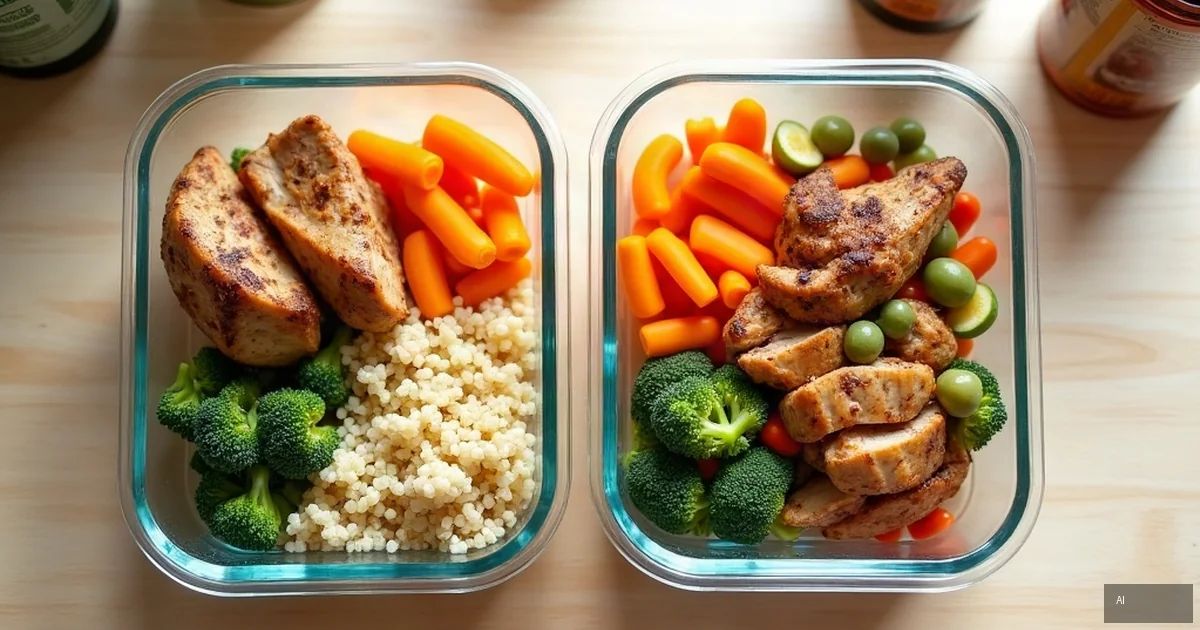
🔢 Calorie Counting Primer — illustration

Calorie Counting — Simpler Than It Seems

Calorie counting sounds complicated, but with modern apps it takes only 3–5 minutes per day. It is the most accurate way to control body composition — whether you want to lose weight, gain muscle, or maintain your current shape.

✅ Key formula: 1 kg of body fat = ~7700 kcal. A 500 kcal deficit per day = 0.5 kg per week. A 300 kcal surplus per day = ~0.25 kg of muscle per week (with proper training).

Calorie counting is not a lifelong commitment. Most athletes count for 2–4 weeks to learn portions, then switch to intuitive eating, returning to counting only when adjustments are needed.

🔢 How to Calculate Your Daily Calorie Needs

StepMovementFormula / Example
1. Basal Metabolic Rate (BMR)Calculate calories at restMen: 10 × weight(kg) + 6.25 × height(cm) − 5 × age + 5. Women:... − 161
2. Activity LevelMultiply by the activity factor×1.2 (sedentary) to ×1.9 (professional athlete). Average ×1.55
3. GoalAdd or subtract calories+300–500 kcal for muscle. −300–500 kcal for fat burning
4. Macro DistributionDivide among protein, fat, carbohydratesProtein: 1.6–2.2 g/kg. Fat: 0.8–1.2 g/kg. Remaining kcal — carbohydrates

📱 Calorie Counting Tools

📲 Apps

MyFitnessPal (largest database), YAZIO (simpler interface), Cronometer (most accurate micronutrients), FatSecret (free without restrictions). All have a barcode scanner.

⚖️ Scales

Kitchen scales are essential when starting. After 2–3 weeks, you will learn to estimate portions by eye. Digital scales with 1 g accuracy — sufficient.

📓 Food Diary

Even a simple notebook method works — people who write down what they eat consume 15–20% fewer calories. Awareness is half the solution.

🔬 Body Composition Measurements

Track not only weight but also body measurements (waist, hips, chest) and photos every 2 weeks. Weight can fluctuate ±2 kg per day due to water — don't be alarmed!

🛒 Recommended Products

⚖️ Kitchen Scales🥛 Protein for Precise Nutrition

🔗 Related Tools

📝 How to Start Counting Calories

Calorie counting is essentially a simple process: you find out how much food you eat and compare it with your goal. Start with three steps. First, calculate your approximate daily calorie intake based on your weight, height, age, and activity level. Second, start recording everything you eat and drink. Third, compare the amount consumed with your target and adjust accordingly. For the first week, simply record without changing your habits — this will show you a real starting point. Later, you can set a goal: lose, maintain, or gain weight.

⚖️ Weighing, Portions and Labels

Over time, the eye gets used to estimating portions and scales become less necessary, but at the beginning they help a lot.

🎯 How to Maintain Accuracy

Accuracy depends on consistency. Record meals immediately, not in the evening from memory — memory often “forgets” snacks. Use the same app or notes so data is not duplicated. Eat similar products whose nutritional value you already know — this makes counting faster. At the end of the week, look at the average, not a single day, because one-day fluctuations are normal. If the result is not moving, check whether you are recording portions accurately before reducing or increasing calories.

⚠️ Most Common Counting Mistakes

📅 How to Maintain a Habit Long-Term

Counting becomes easier when it turns into a routine. Create a simple system: log meals at the same time, keep the scales in a visible place, and save the data of the dishes you eat most often as templates. There is no need to count perfectly every day — long-term consistency matters, not one perfect day. Every few weeks, check whether portions haven't increased “on their own.” If counting causes stress, take a short break and come back when you're ready. Even a simple system that you follow consistently gives better results than a complex one that quickly falls apart.