⚖️ Flexible Diet (IIFYM)
IIFYM ("If It Fits Your Macros") — a no-forbidden-foods approach: all that matters is how much protein, fat and carbohydrates you eat per day.
What Is a Flexible Diet
Instead of an "allowed / not allowed" list, a flexible diet relies on three numbers: protein, fat and carbohydrates (macros). If you hit your daily macros, a meal's composition is not "forbidden." This makes the approach psychologically easier: food becomes math, not morality.
Important: this is not permission to eat only sweets. Micronutrients (vitamins, minerals, fiber) must still be obtained — about 80 % of the diet should consist of whole foods.
🧮 How to Calculate Your Macros
- Calories. First, calculate your daily requirement — this will be done by the daily calorie tool (based on weight, height, age and activity).
- Protein. Usually 1,6–2,2 g per kg of body weight — protein requirement calculator.
- Fat. About 0,6–1 g/kg (no less than ~0,5 g/kg, as they are essential for hormones).
- Carbohydrates. Remaining calories: (total kcal − protein×4 − fat×9) / 4.
You can calculate your macro ratio for your goal (weight loss / maintenance / gaining) in the macro calculator.
🍽️ Sample Day (2200 kcal, 150 g protein)
| Meal | Example | Protein |
|---|---|---|
| Breakfast | Oatmeal with cottage cheese and bananas | ~30 g |
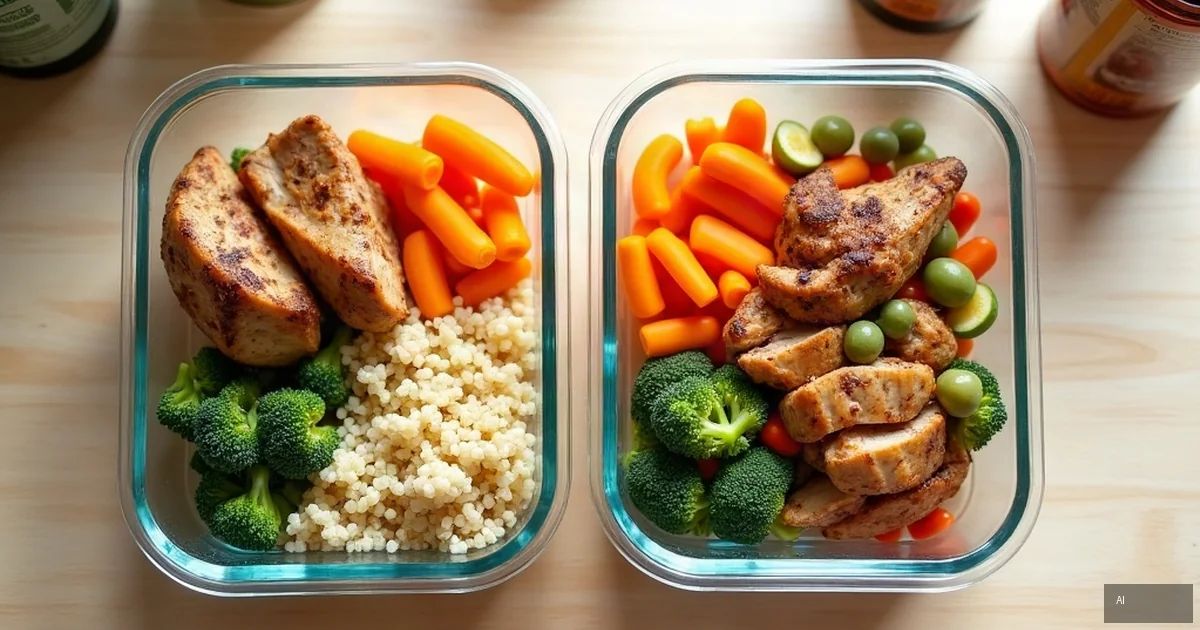
| Lunch | Chicken breast with rice and vegetables | ~45 g |
| Snack | Greek yogurt with berries | ~20 g |
| Dinner | Lean fish with potatoes and salads | ~40 g |
| Before Sleep | Cottage cheese or casein shake | ~20 g |
⚖️ Pros and Cons
| Advantages | Cons |
|---|---|
| No need to give up favorite foods | Requires counting every day |
| Easier to stick to long term (social life) | Food quality can be forgotten |
| Flexibility while traveling and during holidays | Does not teach eating skills for the long term |
| Suitable for those training with goals | Counting tires beginners |
✅ How to Avoid Turning Into "Junk Food" IIFYM
- 80/20 rule — 80 % of the diet from whole foods, 20 % freedom.
- Fiber and vegetables first — they cannot be replaced by numbers.
- Do not forgo water and sleep — they affect hunger and recovery more than the macro ratio.
- Review once a week — whether you moved toward your goal, or whether calories need adjusting.
🙋 Frequently Asked Questions
Is IIFYM suitable for beginners? It's possible, but it is often easier to start with simpler rules (protein + vegetables at every meal) and only later count precisely.
Does it matter when you eat? The distribution of calories and macros throughout the day matters more than meal timing; timing can help but is not decisive.
How to track calories? Record your meals for at least 1–2 weeks — after that, your eye already "weighs" portions quite accurately.