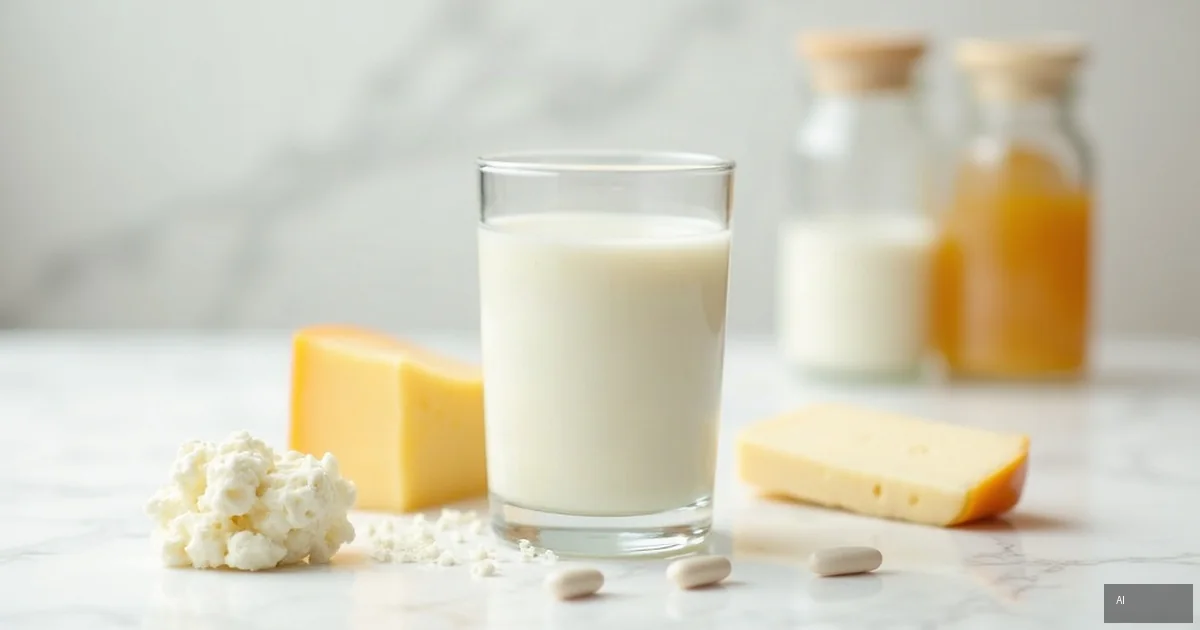
📊 Nutritional Table (100 g)
Below is the detailed nutritional value per 100 grams cheese for nutrition.
| Nutrient | Amount (100 g) | % RDA |
|---|---|---|
| 🔥 Calories (Energy) | 350 kcal | -- |
| 💪 Protein | 25.0 g | -- |
| 🧈 Fats | 27.0 g | -- |
| 🍚 Carbohydrates | 1.3 g | -- |
| 🌾 Fiber | 0 g | -- |
| Calcium | 720 mg | 72% |
| Phosphorus | 450 mg | 64% |
| Vitamin B12 | 1.0 µg | 42% |
| Zinc | 3.0 mg | 27% |
| Vitamin A | 250 µg | 31% |
* RDA - Recommended Daily Allowance (EU Regulation 1169/2011). Percentages are calculated for an adult. Athletes' needs may be higher.
💪 Benefits for Athletes
Here are the main cheese for nutrition benefits in an athlete's nutrition:
- Concentrated calcium - for bone density
- High-quality protein with all amino acids
- Vitamin K2 (in aged cheeses) - directs calcium to the bones
- Convenient and quick - no preparation required
🍳 How to Prepare
The best ways to prepare cheese for nutrition, while preserving maximum nutritional value:
- Snack: cheese sticks with grapes
- In salads: grated Parmesan or feta cubes
- In an omelette: grated cheese with eggs
⚡ When to Eat?
Snack between meals. Before bed (casein). Before training - 2-3 hours.
🔄 Substitutions and Alternatives
Best alternatives cheese for nutrition:
Cottage cheese, tofu, nutritional yeast, Greek yogurt
💡 Tips
- Aged cheeses contain more K2
- Choose less processed cheeses
- Portion: 30 g (matchbox-sized)
- If you are watching fat - choose leaner options
Cheese as a Protein Source
Cheese is a convenient source of protein and calcium, but its “cost” depends on the type: cottage cheese and low-fat curd cheeses provide a lot of protein for few calories, while hard and fatty cheeses provide a lot of fat and salt. Therefore, the question is not “is cheese healthy”, but “which cheese and how much”.
📊 Comparison (approximate, per 100 g)
| Type | Calories | Protein | Fat | Salt |
|---|---|---|---|---|
| Cottage Cheese (9 %) | ~150 kcal | ~14–18 g | ~9 g | Low |
| Low-fat curd cheeses | ~150–200 kcal | ~15–20 g | ~10 g | Average |
| Mozzarella | ~250–300 kcal | ~18–22 g | ~18–22 g | Average |
| Hard cheese (salty) | ~350–400 kcal | ~25–30 g | ~28–33 g | High |
| Processed cheese | ~300 kcal | ~12–15 g | ~25 g | High |
Exact data can be found in the calorie search.
✅ How to Include in Your Diet
- For protein: cottage cheese and low-fat curd cheeses — the best “cost-benefit” ratio.
- For calcium: any cheese works, but calcium content is similar while calories differ severalfold.
- Portion: 30–50 g of hard cheese (1–2 slices) usually fits into a daily plan; more is already a “meal”.
- Timing: cottage cheese is suitable before bed (slow protein) and as a snack, while fatty hard cheese is better not before training.
⚠️ What to Watch Out For
- Salt — hard cheeses are one of the largest sources of sodium in the diet; if you already eat a lot of processed products, reduce cheese.
- Saturated fats — in moderation, but not zero: they provide satiety and flavor.
- Lactose — aged hard cheeses contain little lactose, while fresh ones (cottage cheese, mozzarella) contain more.
- Processed cheese — often contain a lot of salt, phosphates and little protein; it is better to avoid it regularly.
- Portion control — you use less grated cheese than sliced.
🙋 Frequently Asked Questions
Is cheese suitable when losing weight? Yes, if you choose leaner options and keep portions in check.
Is eating cheese in the evening bad? No; only the total daily calorie intake matters.
Which cheese is the “healthiest”? There is no single one — cottage cheese wins on protein, fermented aged cheeses on digestibility, and for taste, all have their place.