Showing: 0 products
| Product ▲ | kcal/100g ▼ | Protein (g) ▼ | Carbs (g) ▼ | Fat (g) ▼ | Category ▼ |
|---|
| Product ▲ | kcal/100g ▼ | Protein (g) ▼ | Carbs (g) ▼ | Fat (g) ▼ | Category ▼ |
|---|
1 calorie = amount of energy needed to heat 1 g of water by 1°C. On food labels, kcal = 1000 cal.
20-30% of their calories are used to digest protein. Carbohydrates — 5-10%, fats — 0-3%.
To lose 0.5 kg of fat, a deficit of ~3500 kcal is needed. -500 kcal/day = -0.5 kg/week.
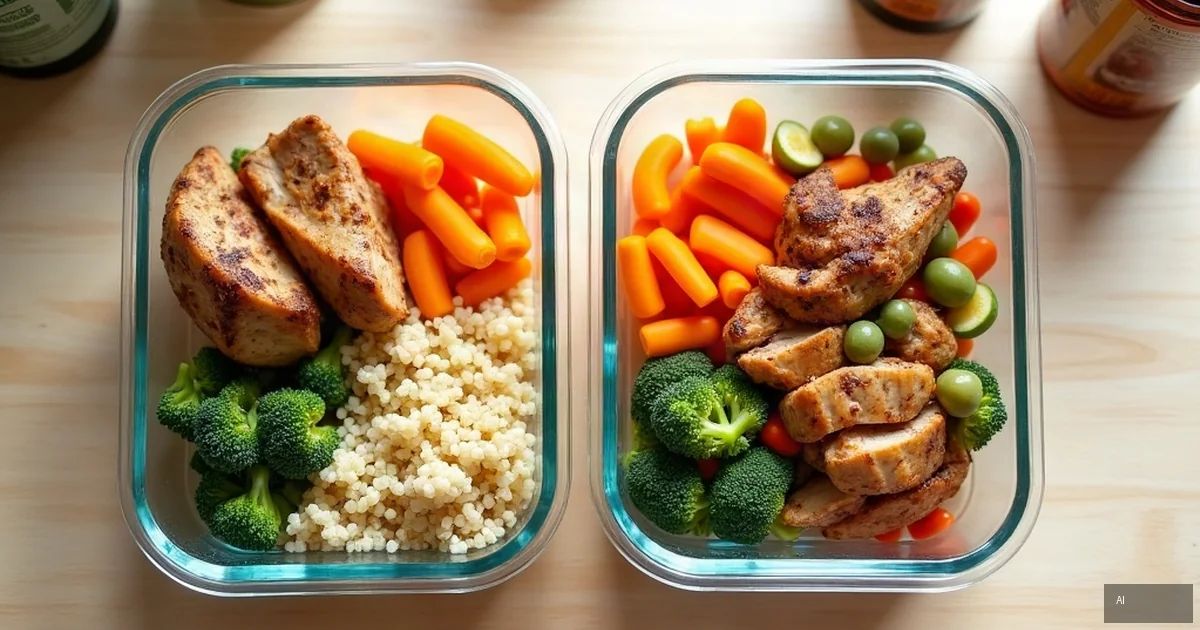
The database provides approximate values per 100 grams of product: calories (kcal) and protein, carbohydrates, and fat in grams. In search, you can filter products by name or category, and by clicking the column header you can sort the list by calories or protein. All values are indicative and vary depending on brand, preparation method, and season.
Calories show the amount of energy, while the three macronutrients — protein, carbohydrates, and fat — show what that energy consists of. When comparing products, look not only at calories but also at protein content: a product with more protein is often better suited to sports nutrition. Carbohydrates and fats are also necessary — the most important thing is the overall daily balance.
The same raw ingredient can have a very different calorie content after preparation. Boiling and steaming add the fewest calories, while frying in oil or butter can significantly increase the energy content. Before comparing dishes, make sure you are looking at the same product form — raw or already prepared — because some values are given for cooked and others for raw product.
Are These Calories Accurate? They are approximate and based on typical values; the most accurate information is on the packaging of the specific product.
How to Use the Data for Nutrition? Compare products by protein and calories, and build your daily plan according to your goal.
Where Can I Find More About Protein? See protein content.