📊 Nutritional Table (100 g)
Below is the detailed nutritional value per 100 grams chicken breast.
| Nutrient | Amount (100 g) | % RDA |
|---|---|---|
| 🔥 Calories (Energy) | 165 kcal | -- |
| 💪 Protein | 31.0 g | -- |
| 🧈 Fats | 3.6 g | -- |
| 🍚 Carbohydrates | 0 g | -- |
| 🌾 Fiber | 0 g | -- |
| Niacin (B3) | 13.7 mg | 86% |
| Vitamin B6 | 0.6 mg | 46% |
| Phosphorus | 228 mg | 33% |
| Selenium | 28 µg | 51% |
| Potassium | 256 mg | 7% |
* RDA - Recommended Daily Allowance (EU Regulation 1169/2011). Percentages are calculated for an adult. Athletes' needs may be higher.
💪 Benefits for Athletes
Here are the main chicken breast benefits in an athlete's nutrition:
- One of the highest protein densities - 31 g protein per 100 g, minimal fat
- Easily digestible - suitable to eat before training without feeling heavy
- Universal amino acid profile with high leucine content - activates the mTOR pathway
- Suitable for both muscle growth and weight loss due to low calorie content
🍳 How to Prepare
The best ways to prepare chicken breast, while preserving maximum nutritional value:
- On grill/pan: 6-8 min per side until internal temperature 74 °C
- In oven: 180 °C, 20-25 min. Marinate in lemon juice before baking
- Meal-prep: boil, dice, keep in the refrigerator for 4 days - for salads, wraps
⚡ When to Eat?
Ideal 1.5-2 hr before training or immediately after. Quickly digestible.
🔄 Substitutions and Alternatives
Best alternatives chicken breast:
Turkey breast (leaner), chicken thigh (juicier), egg whites, tofu
💡 Tips
- Use a meat thermometer - 74 °C guarantees safety and juiciness
- Dry rub with paprika, garlic powder - no extra calories
- Do not cut immediately after cooking - wait 5 min.
- Buy skinless or remove the skin before cooking
Nutritional Value at a Glance
Chicken breast — one of the leanest and most protein-rich meat choices. It has very little fat, a lot of protein, and virtually no carbohydrates. That is why it is extremely popular among athletes and people losing weight: a high protein content and low calorie density allow you to feel full without a calorie surplus. In addition, breast has a neutral taste, so it suits a wide variety of recipes.
Why Chicken Breast Is Popular
- Protein Density — one of the highest among common meat products.
- Low Fat — easy to include even in a strict calorie plan.
- Availability — widely available and relatively inexpensive.
- Versatility — suitable for frying, boiling, stewing or oven baking.
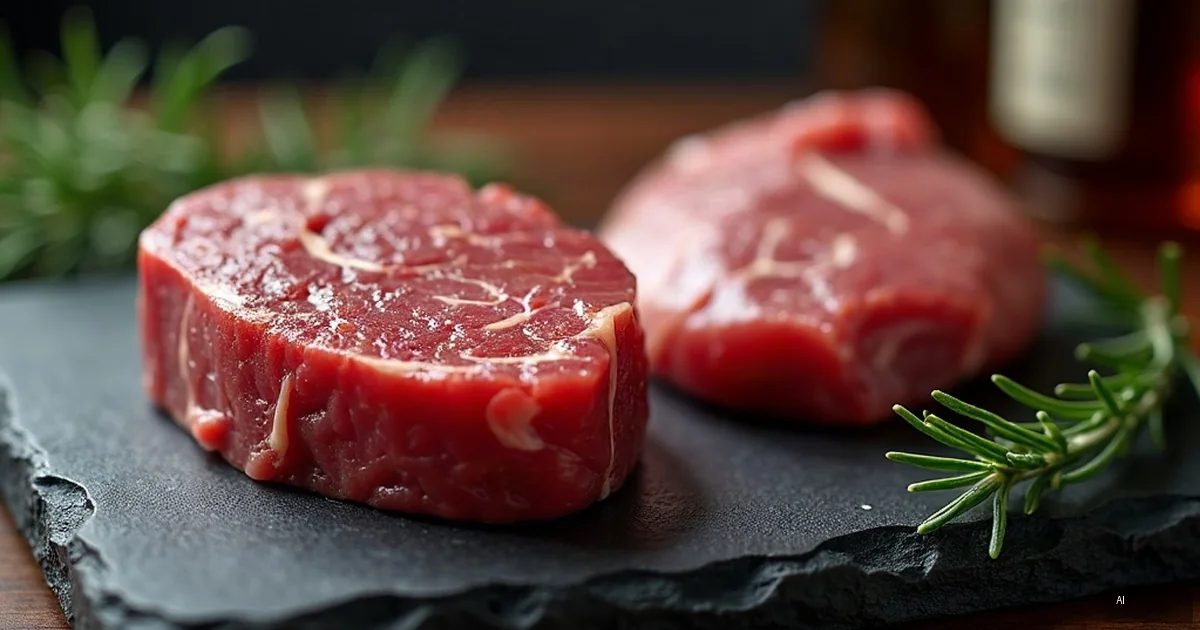
For these qualities, it is often called a sports nutrition classic. Compare with beef steak and pork tenderloin.
How to Combine It in Your Diet
Combine breast with a carbohydrate source — rice, potatoes or pasta — and a generous portion of vegetables. Because it is lean, it easily dries out: cook over medium heat and not for too long, and you can marinate it before cooking to keep it juicy. It is also suitable for meal prep — cooked breast keeps in the refrigerator for several days and is convenient to use as a protein portion.
What to Watch Out For
- Preparation — deep-fried or breaded breast is no longer lean.
- Sauces — creamy and sweet sauces can double the calories.
- Salt — store-bought marinated meat often has a lot of sodium.
- Variety — although breast is valuable, it is worth diversifying the diet with other protein sources.
More protein sources — eggs and meat products for sports.
Most Common Mistakes
- Baked Too Dry — breast cooked for too long becomes tough; use a marinade or cook for less time.
- Heavy Sauces — creamy sauces can double the calories of the dish.
- Monotony — eating only breast loses variety and other nutrients.
- Store-Marinated — such meat often has a lot of salt and additives.
Once you learn to prepare it properly, breast remains juicy and tasty, and its nutritional value is among the best lean protein sources.
Portion Size
The easiest way to determine a portion is by protein needs: a standard portion is about palm-sized, and coordinate the exact amount with your daily goal using protein calculator. Keep in mind that the preparation method changes calories — breast cooked without fat differs considerably from deep-fried. When preparing in advance, weigh portions and keep them in separate containers so it is convenient to follow the plan. This will help avoid spontaneous decisions and consistently pursue the goal. Properly prepared breast remains a convenient and tasty base for various dishes.
With moderation and variety, breast will remain a valuable part of your diet for a long time.