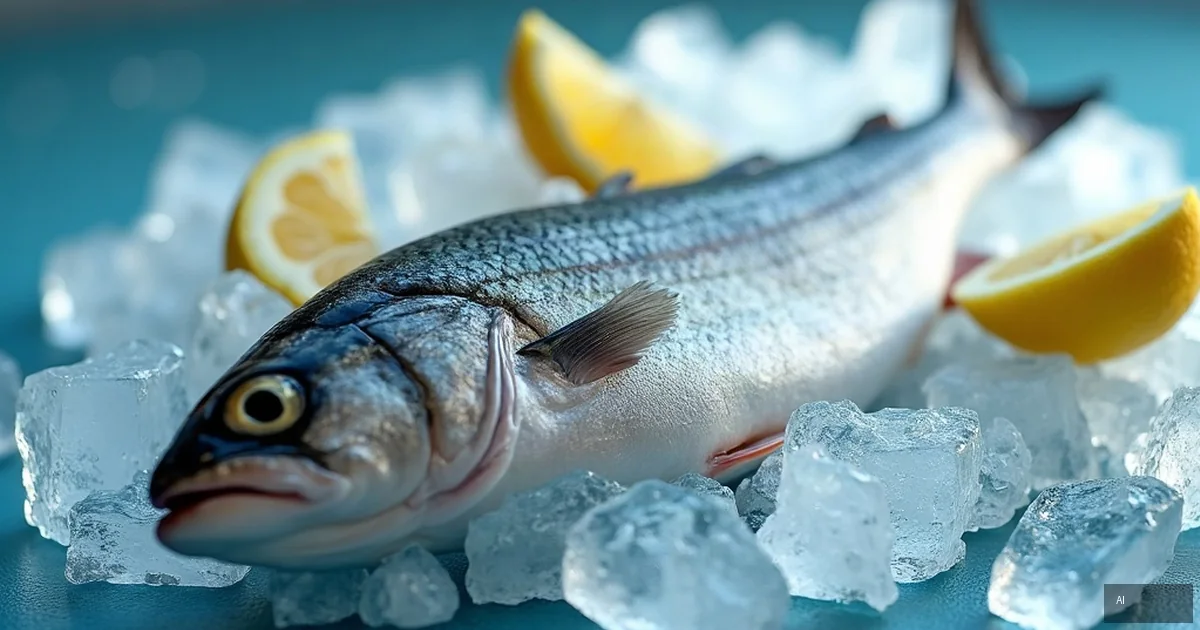
📊 Nutritional Table (100 g)
Below is the detailed nutritional value per 100 grams cod.
| Nutrient | Amount (100 g) | % RDA |
|---|---|---|
| 🔥 Calories (Energy) | 82 kcal | -- |
| 💪 Protein | 18.0 g | -- |
| 🧈 Fats | 0.7 g | -- |
| 🍚 Carbohydrates | 0 g | -- |
| 🌾 Fiber | 0 g | -- |
| Selenium | 33 µg | 60% |
| Vitamin B12 | 0.9 µg | 38% |
| Phosphorus | 200 mg | 29% |
| Vitamin B6 | 0.2 mg | 15% |
| Iodine | 99 µg | 66% |
* RDA - Recommended Daily Allowance (EU Regulation 1169/2011). Percentages are calculated for an adult. Athletes' needs may be higher.
💪 Benefits for Athletes
Here are the main cod benefits in an athlete's nutrition:
- Extremely lean - only 82 kcal per 100 g, ideal during a calorie deficit
- Easily digestible protein - suitable before a workout
- Iodine - essential for thyroid function and metabolism
- Mild taste - suitable even for those who do not like fish
🍳 How to Prepare
The best ways to prepare cod, while preserving maximum nutritional value:
- In the oven: 180 °C, 15-18 min with lemon, butter, herbs
- In a pan: dredge in flour, 3-4 min per side
- Steamed: 8-10 min - the gentlest method, preserves all nutrients
⚡ When to Eat?
Ideal 1.5-2 hours before a workout or after. Very quickly digested.
🔄 Substitutions and Alternatives
Best alternatives cod:
Pollock, trout, tilapia, chicken breast
💡 Tips
- Fresh cod should be springy and odorless
- Do not overcook - cod quickly becomes dry
- Cod liver oil - a separate superfood
- Pair with steamed vegetables - a light dinner
🥄 Portions And How To Include In Diet
A practical portion — 150–200 g fillet. Cod is a lean white fish: high in protein and very low in fat, making it convenient when you need a large protein portion with few calories. Bake, steam or stew.
- Baked in the oven with lemon and herbs.
- Stew with tomatoes and vegetables.
- Steamed — the leanest version.
🛒 How To Choose And Store
Fresh cod has a mild smell, firm flesh and does not fall apart into pieces. Keep frozen fillets in the freezer; thaw in the refrigerator, not at room temperature. Consume fresh within 1–2 days.
- In the refrigerator — up to 2 days.
- In the freezer — for several months if tightly packed.
- Do not refreeze after thawing.
⚠️ Common Mistakes
- Overcooking — cod dries out and becomes rubbery.
- Too much sauce — the advantage of lean fish disappears in a fatty sauce.
- Unclean hand / cutting board hygiene — keep raw fish separate from other products.
📋 What Is Important To Know
Cod is a lean white fish: it is high in protein and very low in fat, so it is suitable when you want a larger amount of protein with fewer calories. Since it is low in fat, cod is not a source of omega-3 — these acids should be obtained from fatty fish. Cod also contains selenium and iodine, which are important for thyroid function.
⚖️ Portions And Daily Norm
- A portion — 150–200 g fillet, which provides a significant amount of protein.
- After a workout, it is suitable with carbohydrates (rice, potatoes) for full recovery.
- Cod is lean, so cooking it without fat keeps the dish low in calories (see calorie density).
- Include fatty fish (herring, mackerel) separately — cod does not replace them.
🛒 How to Prepare and Store
- Fresh cod should smell mild and have a firm texture, not be slimy.
- Cod falls apart easily, so cook at medium temperature and do not overcook — it dries out.
- Thaw frozen cod in the refrigerator, not at room temperature.
- Keep fresh cod in the refrigerator and use within 1–2 days.
🙋 Frequently Asked Questions
Is Cod Suitable Every Day? It is suitable as a protein source, but for variety alternate it with other fish and protein sources.
Is Frozen Cod Inferior? No, properly frozen cod retains its nutritional value; the difference may be in texture.
Why Is Cod Low in Omega-3? It is a lean fish — omega-3 accumulates in fatty fish, so these should be sought there.