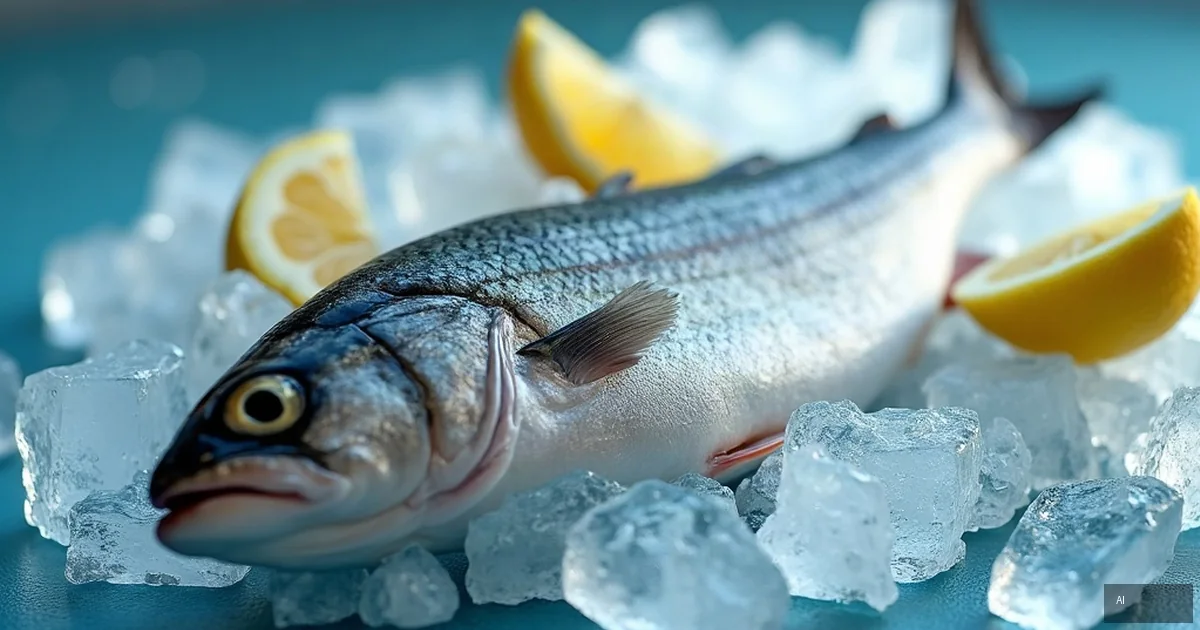
📊 Nutritional Table (100 g)
The nutritional value provided by 100 grams of the product is given below.
| Nutrient | Amount (100 g) | % RDA |
|---|---|---|
| 🔥 Calories (Energy) | 88 kcal | -- |
| 💪 Protein | 17.5 g | -- |
| 🧈 Fats | 1.3 g | -- |
| 🍚 Carbohydrates | 0 g | -- |
| 🌾 Fiber | 0 g | -- |
| Selenium | 30 µg | 55% |
| Phosphorus | 190 mg | 27% |
| Vitamin B12 | 1.0 µg | 42% |
| Vitamin B6 | 0.2 mg | 15% |
| Potassium | 290 mg | 8% |
* RDA - Recommended Daily Allowance (EU Regulation 1169/2011). Percentages are calculated for an adult. Athletes' needs may be higher.
💪 Benefits for Athletes
What hake contributes to an athlete's diet:
- Lean — suitable when you count daily calories
- Mild taste — pairs easily even with spicy seasonings
- Firm texture — pieces do not fall apart in the pan
- Easily found in stores — sold fresh and frozen
🍳 How to Prepare
The best preparation methods when you want to preserve as many nutritional properties as possible:
- In the oven: 180 °C, 18-20 min with vegetables
- In a pan: coat in flour, 3-4 min per side
- Fish soup: with potatoes, carrots, seasonings
⚡ When to Eat?
Suitable before training, about 2 hours before, and after it — with grains.
🔄 Substitutions and Alternatives
What to Replace Them With hake:
Cod, trout, tilapia, pangasius
💡 Tips
- Fresh fish — pleasant smell, elastic consistency, moist skin
- Do not overcook — fish dries out quickly
- Before cooking, keep in lemon juice for about 15 min
- Because of its mild taste, it is also suitable for those who usually do not eat fish
🐟 How White Fish Differ
| Fish | Texture | Best For |
|---|---|---|
| Hake | Firm, moderately juicy | Oven, pan, soups |
| Cod | Drier, flaky | For baking and stewing (see cod) |
| Tilapia | Soft | Easily absorbs seasonings |
| Pangasius | Soft, fattier | For easy cooking |
| Mackerel | Dense, fatty | For grilling (see mackerel) |
Lean white fish provide a lot of protein and few calories, but they contain little omega-3 fat — fatty fish are worth choosing separately (see sardines).
✅ Practical Rules
- Signs of freshness: pleasant smell, elastic flesh, moist skin; when pressed with a finger, the surface should spring back.
- Thawing: only in the refrigerator — fish that is warmed faster loses juices.
- Cooking: in the oven at about 180 °C; take it out when the flesh starts to flake — cooking longer dries it out.
- Seasonings: lean fish lacks its own fat, so lemon, herbs and sauce help a lot.
- Portion: about 150 g with grains and vegetables — this is the easiest way to count daily protein (see protein requirements).
- Canned: if you choose a can, drain the liquid — it contains a lot of salt (see canned tuna).
🙋 FAQ
Is hake fatty? No. It is a lean white fish, so most of its energy comes from protein, not fat.
Can it be grilled? Yes, but the flesh is soft and may fall apart — it is more convenient to cook it in foil or on a special grill rack.
What to do if the fish smells of mud? This is not necessarily spoilage; lemon, herbs or a marinade with seasonings reduce this taste.
Is it suitable every day? White fish is an easy source of protein, but it is worth alternating fish species throughout the week.