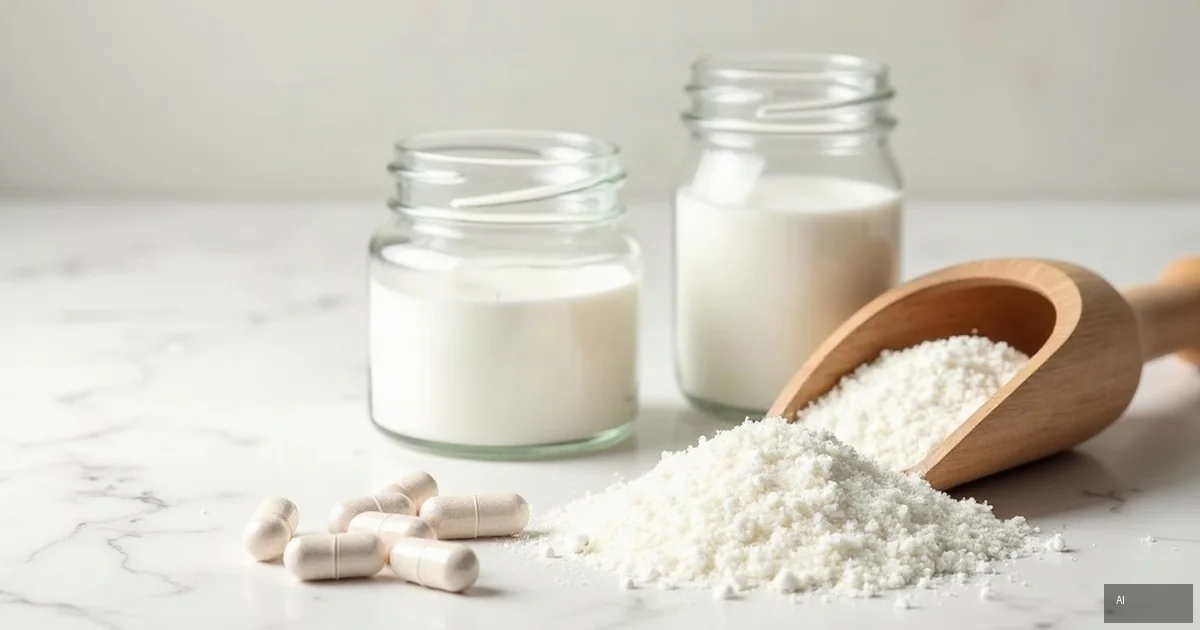
⚠️ 5 Reasons Why Doping Is Dangerous
1. Physical health: anabolic steroids — liver damage, heart disease, infertility.
2. Mental health: depression, aggression, addiction.
3. Legal consequences: disqualification from 2 years to life.
4. Reputation: the label of a doping user never disappears.
5. Betrayal of the spirit of sport: cheating against competitors and fans.
⚠️ Statistics: ~80 % of disqualified athletes never return to elite sport.
🔍 How to Resist Pressure
- Know the facts — understand the consequences
- Have a NO prepared in advance
- Find support — coach, family, psychologist
- Remember: health and reputation > any medal
- Report pressure to the responsible authorities
📋 Legal Alternatives
Most athletes who turn to doping have gaps in nutrition, sleep and training:
- Individualized nutrition plan with a specialist
- Legal sports supplements (protein, creatine)
- Sleep optimization (8–10 hours)
- Training periodization with a professional coach
- Legal recovery methods (massage, cryotherapy)
🛒 Recommended Sports Supplements and Products
Choose from our carefully selected categories of sports products and food supplements:
🔗 Related Tools and Articles
More useful tools and guides on sports, health and active lifestyle topics: