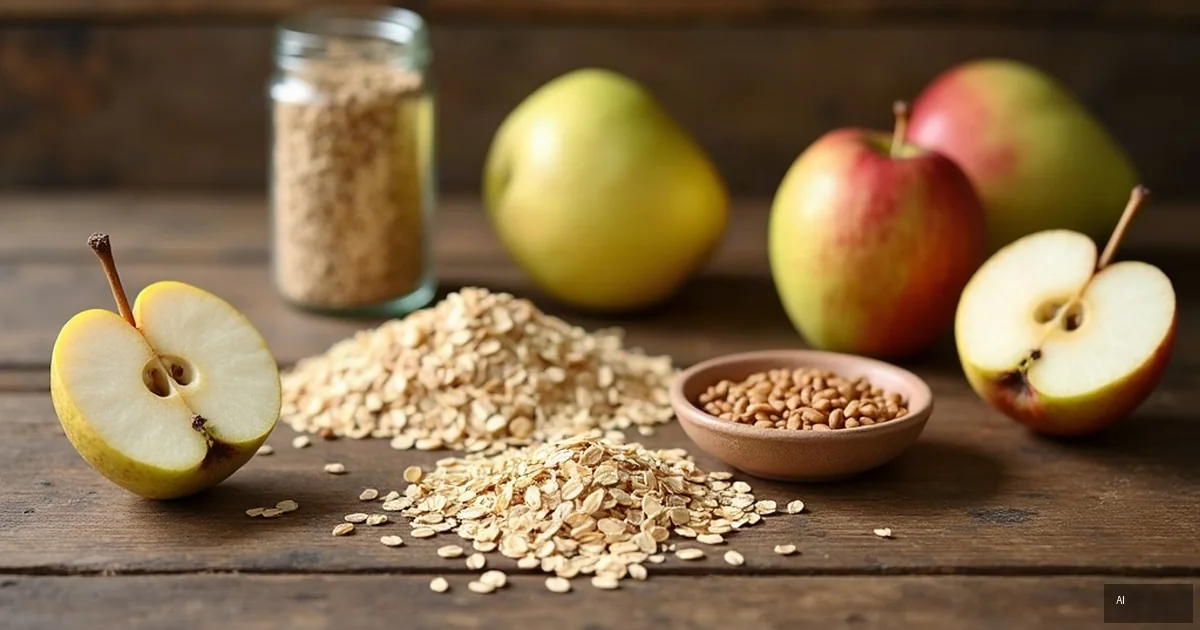
Fiber is not only for digestion but also for athletic performance. The right amount of fiber improves the gut microbiome, which directly affects immunity and nutrient absorption.
This topic is especially important for athletes seeking to optimize their results and health. Proper understanding of this area can be the difference between a good and an excellent performance.
🔑 Key Principles
- Individualized approach — what works for one person may not work for another
- Gradual implementation of changes — no more than 1-2 changes at a time
- Monitoring and adjustment — regularly evaluate results
- Scientific basis — rely on research, not myths
- Consistency — results come through long-term practice
💡 Practical Tips
- Start with small, achievable goals
- Keep a diary to track progress
- Consult specialists (trainer, nutrition specialist)
- Do not compare yourself with others — everyone's path is unique
- Listen to your body's signals
🛒 Recommended Supplements
🌾 What Is Fiber and What Are Its Types
Fiber is plant-based carbohydrates that the body does not digest. They are divided into soluble and insoluble. Soluble fiber (in oats, legumes, fruits) absorbs water and slows gastric emptying, so it helps you feel full for longer. Insoluble fiber (in whole-grain products, vegetable skins) increases food volume and helps maintain regular digestion. Both types are important, and most foods contain both — for example, oats contain a lot of soluble fiber, while vegetable skins contain more insoluble fiber.
💪 How Much Fiber Is Needed and How to Achieve It
For an adult, about 25–30 g of fiber per day is usually recommended, but many people consume noticeably less. It is best to get it from a variety of sources: whole-grain cereals and bread, legumes, vegetables, fruits, and nuts. It is important to increase the amount gradually, as a sudden increase can cause bloating. At the same time, you should drink enough water — fiber works only with liquid, so without it, it can cause discomfort.
🥣 Fiber Sources in an Athlete's Kitchen
- Cereals: oatmeal, buckwheat, pearl barley, brown rice.
- Legumes: beans, lentils, chickpeas — they also provide protein.
- Vegetables and fruits: eat them with the skin when possible — that is where most of the fiber is concentrated.
- Seeds and nuts: flaxseed, chia, almonds — in small portions.
- Whole-grain bread and pasta instead of white versions, to increase your total intake.
🕐 When to Eat Fiber-Rich Food
Right before training, a fiber-rich meal can cause discomfort because it stays in the stomach longer. Therefore, 1–2 hours before training, choose more easily digestible carbohydrates, and leave higher-fiber foods for the rest of the day and after training. In the long term, an adequate amount of fiber helps maintain satiety and a diverse gut microbiome, so its place in an athlete's diet is important throughout the day — just distribute it wisely so it does not interfere with training.
⚠️ Most Common Mistakes
- Increasing too quickly — increase fiber intake gradually over several weeks.
- Too little water — fiber absorbs liquid, so drink more.
- Only one type of source — vary grains, legumes, and vegetables.
- Supplements instead of food — it is best to get fiber from natural foods, not only from powders.
For example, oatmeal with berries and flaxseed for breakfast, lentil stew with vegetables for lunch, and whole-grain pasta for dinner — this way, the recommended daily amount is easily reached. The most important thing is not an individual product but the total daily sum.
If you consume little fiber, do not increase everything at once — add one fiber-rich product per week so the body can adapt gradually.