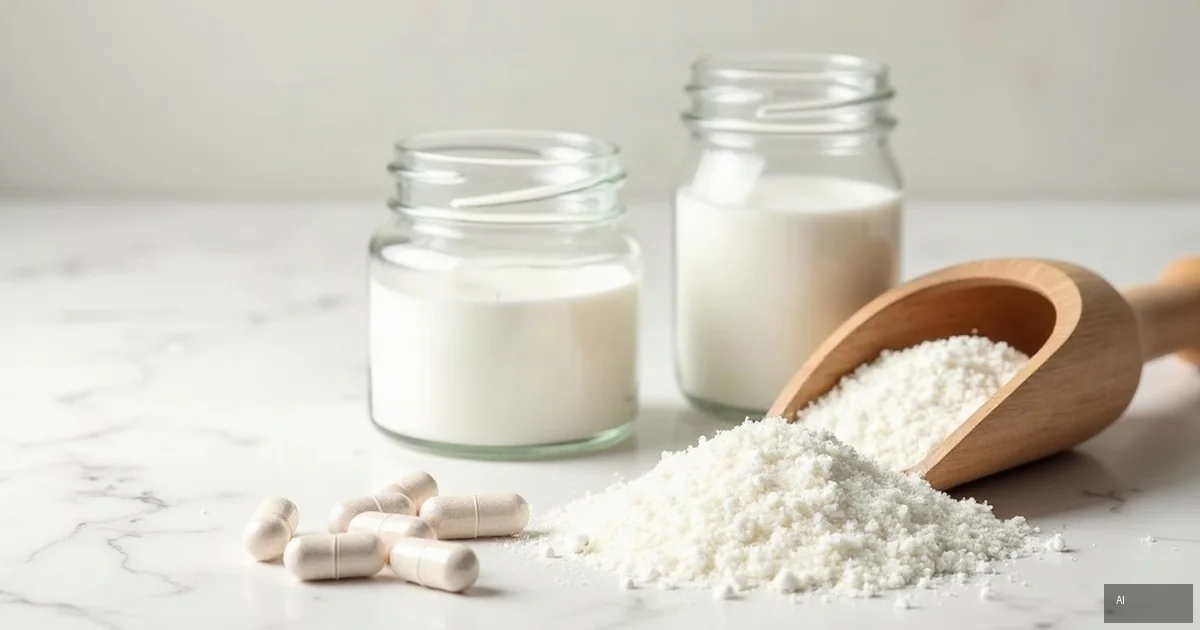
EU and Lithuanian legal acts regulating the manufacture, labelling and sale of food supplements. What you must know before buying supplements.
This topic is especially important for athletes seeking to optimize their results and health. Proper understanding of this area can be the difference between a good and an excellent performance.
🔑 Key Principles
- Individualized approach — what works for one person may not work for another
- Gradual implementation of changes — no more than 1-2 changes at a time
- Monitoring and adjustment — regularly evaluate results
- Scientific basis — rely on research, not myths
- Consistency — results come through long-term practice
💡 Practical Tips
- Start with small, achievable goals
- Keep a diary to track progress
- Consult specialists (trainer, nutrition specialist)
- Do not compare yourself with others — everyone's path is unique
- Listen to your body's signals
🛒 Recommended Supplements
Supplements Are Food, Not Medicine
The most important thing to know: food supplements are not medicines. They do not receive a medicinal product registration, do not demonstrate a therapeutic effect, and cannot be advertised as a treatment for diseases. Their purpose is to supplement the diet, not to replace treatment or nutrition.
Therefore, labels cannot state things such as “treats”, “lowers cholesterol” or “helps overcome a disease” (except for strictly regulated exceptions).
⚖️ Main EU Regulations
| Regulation | What it regulates |
|---|---|
| 2002/46/EC (directive) | The concept of food supplements, forms and permitted amounts of vitamins and minerals |
| 1924/2006 | Health and nutrition claims — which claims may be stated on the label |
| 1169/2011 | Provision of food information to consumers — mandatory label information |
| 2015/2283 | Novel foods (novel food) — some extracts and ingredients |
In practice, this means: if you see a prohibited disease-treatment claim on the label, the product cannot be “better” just because of it — rather the opposite, it is a sign of marketing, not science.
🇱🇹 What Is Important to Know in Lithuania
- Compliance of supplements with food safety requirements is supervised by State Food and Veterinary Service (VMVT).
- Products must be notified — the manufacturer or importer submits information about the product to the market.
- The label must be in Lithuanian and clearly state: composition, quantities, recommended use, warnings, expiry date.
- Online sales must provide the same information before purchase.
🔍 What to Check Before Buying
- Composition and Quantities per Serving — not “amount of blend”, but the amount of active ingredient.
- Is There a Headquarters and Contact Information — not an anonymous seller.
- Faint Small Print — warnings are often hidden among them.
- Very Old Batch Dates or “eternal shelf life” — a warning.
- Promises of “within 3 days” — if this is advertised, the likelihood that the legal information will be in order is lower.
🙋 Frequently Asked Questions
Are Supplements Checked Like Medicines? No — they are handled as food, so official control is different than for medicines.
Are “helps concentration” claims allowed? Only if it is included in the EU list of permitted claims and meets the conditions; otherwise such a claim is a violation.
Where to Complain About an Illegal Claim? VMVT — and it is worth doing so, because inappropriate information misleads everyone.