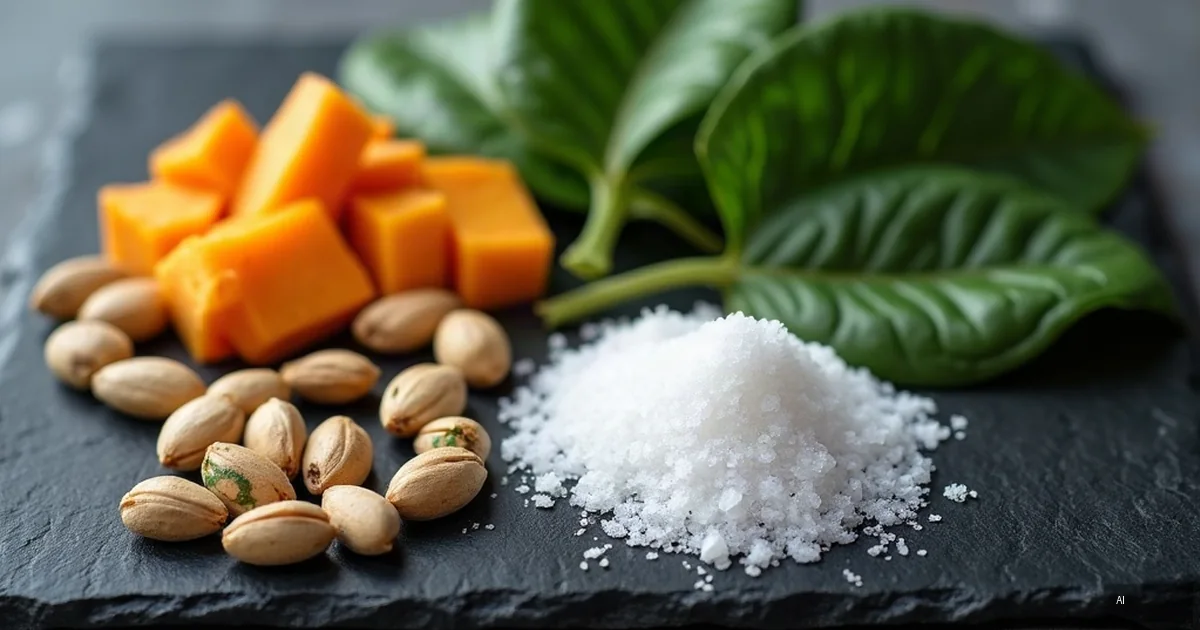
What Are Minerals?
Minerals are inorganic nutrients essential for virtually every function in the body: bone formation, nerve impulse transmission, muscle contraction, hormone production and enzyme activity. For athletes, minerals are especially important because they are lost in sweat (especially sodium, potassium, magnesium, zinc), and their requirements increase due to higher metabolism.
📊 Macrominerals vs Microminerals
| Category | Minerals | Daily requirement | Function in sport |
|---|---|---|---|
| Macrominerals | Potassium, sodium, calcium, magnesium, phosphorus, chlorine | >100 mg/d. | Electrolyte balance, bone strength, muscle function |
| Microminerals (essential) | Iron, zinc, copper, selenium, iodine, manganese, molybdenum, chromium | <100 mg/d. | Oxygen transport, antioxidant protection, hormone synthesis |
| Ultra-microminerals | Boron, silicon, vanadium, nickel | μg/d. | Bone metabolism, collagen synthesis, insulin sensitivity |
🏋️ Mineral Requirements for Athletes
💧 Lost in Sweat
During 1 hour of intense training, 0.5-1.5 L of sweat is lost, containing 800-1500 mg sodium, 200-300 mg potassium, 10-20 mg magnesium and 1-3 mg zinc. These losses must be compensated.
🦴 Bone Health
Calcium, magnesium, phosphorus and boron are critically important for bone density. For athletes experiencing high loads (runners, weightlifters), bone mineral density is an essential factor in injury prevention.
⚡ Energy Production
Iron transports oxygen, magnesium participates in ATP production, iodine regulates metabolism through the thyroid. A deficiency of any of these = less energy for training.
🛡️ Antioxidant Protection
Selenium, zinc, manganese and copper are cofactors of antioxidant enzymes. Intense training increases oxidative stress, so sufficiency of these minerals is critically important.
📋 Complete Mineral Table
| Mineral | RDA | Best sources | Athlete's requirement | Deficiency symptoms |
|---|---|---|---|---|
| Calcium | 1000-1200 mg | Milk, sardines, leafy vegetables | 1200-1500 mg | Bone pain, cramps |
| Magnesium | 310-420 mg | Nuts, seeds, dark chocolate | 400-600 mg | Muscle spasms, fatigue |
| Potassium | 2600-3400 mg | Bananas, potatoes, avocados | 3500-5000 mg | Weakness, arrhythmia |
| Sodium | <2300 mg | Salt, cheeses, salted products | 3000-6000 mg* | Headache, nausea |
| Iron | 8-18 mg | Red meat, liver, spinach | 15-30 mg | Anemia, shortness of breath |
| Zinc | 8-11 mg | Oysters, beef, pumpkin seeds | 15-30 mg | Decline in immunity, slow healing |
| Selenium | 55 μg | Brazil nuts, tuna, eggs | 100-200 μg | Muscle weakness |
| Iodine | 150 μg | Seaweed, fish, iodized salt | 200-300 μg | Thyroid disorders |
| Chromium | 25-35 μg | Broccoli, grapes, whole grains | 50-200 μg | Fluctuations in sugar levels |
| Copper | 900 μg | Liver, nuts, chocolate | 1.5-3 mg | Anemia, bone loss |
| Manganese | 1.8-2.3 mg | Nuts, pineapples, whole grains | 3-5 mg | Joint problems |
| Boron | Not established | Raisins, almonds, avocados | 3-10 mg | Decreased bone density |
| Molybdenum | 45 μg | Legumes, grains, nuts | 75-150 μg | Headache, tachycardia |
| Phosphorus | 700 mg | Meat, milk, nuts | 1000-1500 mg | Bone pain, weakness |
⚖️ Mineral Interactions
A balanced diet from various sources is the best way to ensure mineral balance. If you take individual mineral supplements, be sure to study their interactions — incorrect combinations can cause more harm than good.
🛒 Recommended Products
💡 Practical Mineral Balance Tips
🧪 Blood Tests
Perform comprehensive blood tests at least once a year: ferritin (iron), 25-OH vitamin D, magnesium in erythrocytes, serum zinc. Knowing your numbers will allow you to adjust supplements precisely.
🥗 Variety = Balance
The more varied your diet, the lower the likelihood of mineral deficiency. Every week eat: red meat, fish, eggs, legumes, nuts, seeds, colorful vegetables and fruits.
💧 Sweat and Electrolytes
If you train >For 90 min. or in heat, use electrolyte supplements. After training, weigh yourself: every 0.5 kg of weight loss = ~500 ml fluids + 500-700 mg sodium.
⏰ Timing
Most minerals are best taken with food. Exceptions: ZMA (before sleep, on an empty stomach), iron (in the morning with vitamin C), calcium (in the evening, may help sleep).
❓ Frequently Asked Questions
Do I need to take all minerals separately?
No, unless there is blood data indicating a specific deficiency. For most athletes, a high-quality multimineral complex + targeted supplements according to individual needs is sufficient (e.g., magnesium for sleep, zinc for immunity).
What is the difference between organic and inorganic mineral forms?
Organic forms (citrates, bisglycinates, picolinates) are generally better absorbed (20-40% higher bioavailability) than inorganic forms (oxides, sulfates). However, they are also more expensive. Magnesium oxide is cheap, but only 4% is absorbed, whereas magnesium bisglycinate — up to 80%.
Can minerals interact with medications?
Yes. Calcium reduces the effectiveness of some antibiotics. Zinc can interact with certain antibiotics. Magnesium can enhance the effect of blood pressure-lowering medications. Always inform your doctor about all supplements you take.