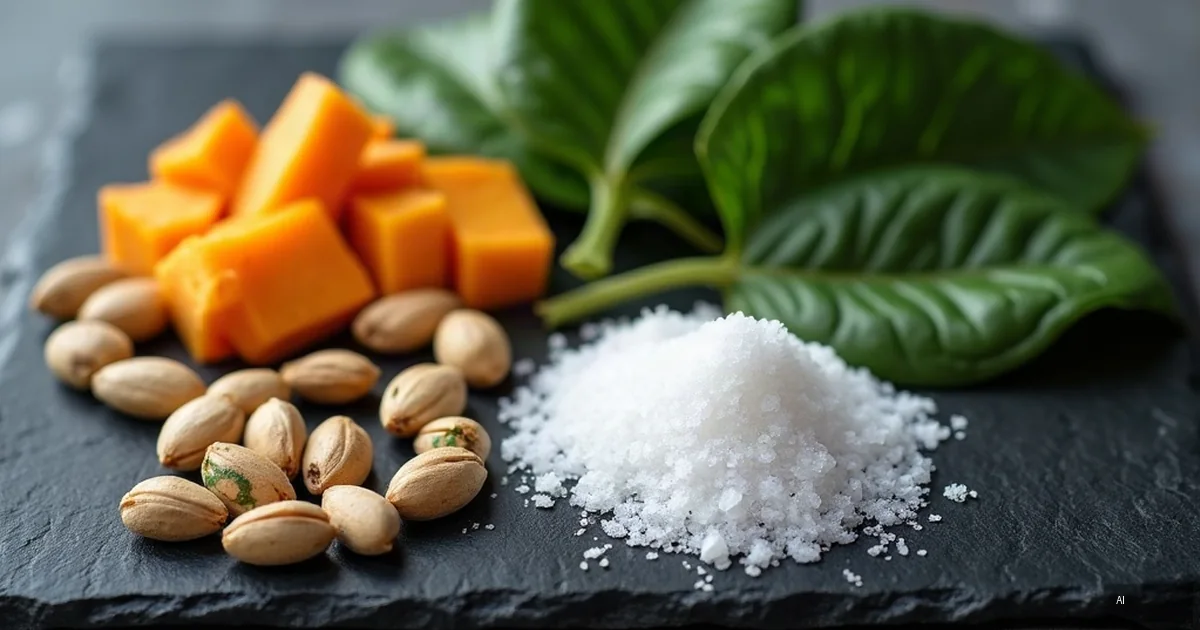
What Is Potassium?
Potassium is the main intracellular cation and one of the most important electrolytes in the body. It is responsible for nerve impulse transmission, muscle contraction (including cardiac muscle) and fluid balance. For athletes, potassium is critically important because during intense training 200-300 mg of potassium per hour is lost through sweat.
🏋️ Potassium Functions in Sport
💪 Muscle Contraction
Potassium is involved in every muscle contraction — from the biceps to the heart. Potassium deficiency (hypokalemia) causes muscle weakness, cramps and can cause cardiac arrhythmia.
⚡ Nerve Impulses
Nerve cell depolarization depends on potassium gradients. Sufficient potassium intake ensures faster nerve impulses — better reaction and coordination.
💧 Hydration Balance
Potassium together with sodium regulates fluid volume inside and outside cells. After training it is necessary to restore not only water but also electrolytes.
🫀 Heart Health
Potassium regulates heart rhythm and blood pressure. Athletes' hearts are especially sensitive to electrolyte imbalance, which can cause dangerous arrhythmias.
🥗 Best Potassium Sources
| Product | Potassium (100 g) | % RDA | Notes |
|---|---|---|---|
| Sweet potatoes | 475 mg | 14% | Complex carbohydrates |
| Avocado | 485 mg (1 pc.) | 14% | Healthy fats |
| Bananas | 358 mg | 10% | Quick energy before training |
| Spinach (cooked) | 466 mg | 13% | Iron, magnesium |
| Potatoes with skin | 535 mg | 15% | Vitamin C, fiber |
| Coconut water | 250 mg (240 ml) | 7% | Natural sports drink |
| Beans (cooked) | 400-500 mg | 12-15% | Protein, fiber |
📋 Recommended Doses
- RDA: 2,600-3,400 mg per day for adults
- For athletes: 3,500-5,000 mg per day, especially during intense exercise or in heat
- After the workout: 300-500 mg of potassium together with sodium (ideally at a 2:1 Na:K ratio)
- During competition: Every 30-45 min. 50-100 mg of potassium with an electrolyte drink
🛒 Recommended Products
❓ FAQ
What Are the Signs of Potassium Deficiency?
Muscle weakness, cramps, fatigue, heart palpitations, constipation. Mild deficiency is often unnoticed but significantly reduces athletic performance.
Are Bananas the Best Potassium Source?
Bananas are a good but not the best source. One banana provides ~420 mg of potassium. Sweet potatoes, avocados, spinach and beans contain more. However, bananas are a convenient choice before training — they also provide quick carbohydrates.
Can I Consume Too Much Potassium?
In healthy people, excess is excreted in urine. However, for people with kidney disease or those taking certain medications, too much potassium can be dangerous.