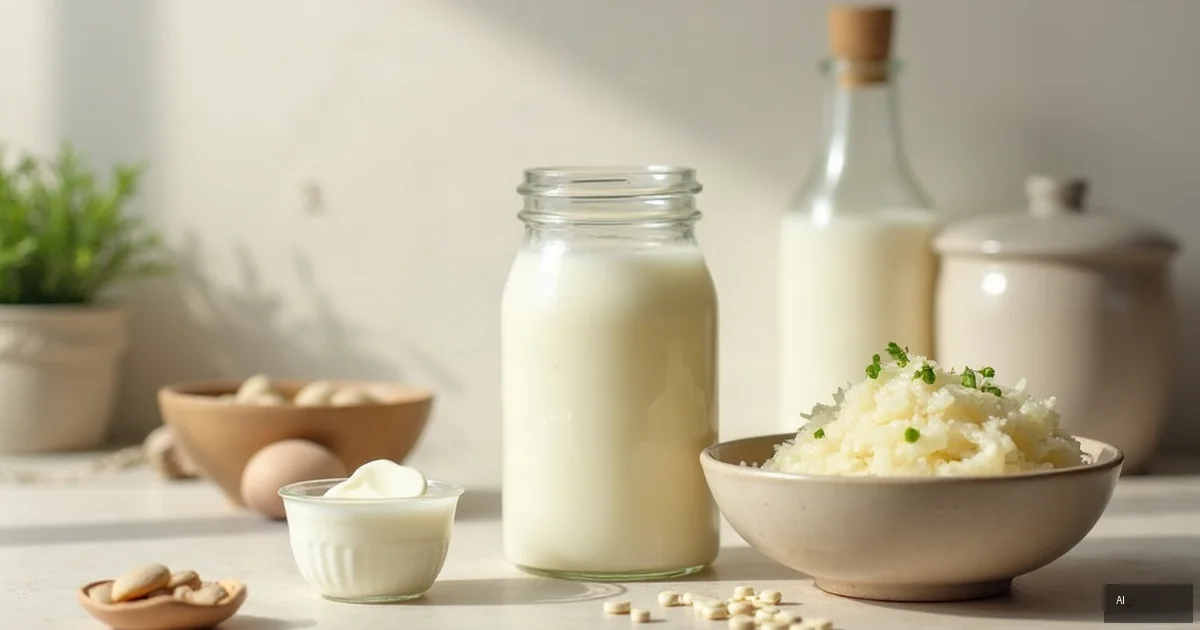
🧫 Gut Microbiome — "The Second Brain"
The gut microbiome consists of trillions of bacteria that affect not only digestion but also immunity, mood, inflammation levels and even athletic performance! The gut microbiome of athletes differs from that of non-athletes — it contains greater diversity and more beneficial bacteria. However, intense training, stress and poor nutrition can disrupt this balance.
📊 Prebiotics vs Probiotics — Key Differences
| Property | Probiotics | Prebiotics |
|---|---|---|
| What are they? | Live beneficial bacteria | Food for bacteria (fiber) |
| Mechanism of action | Supplement the gut with beneficial bacteria | Feed existing beneficial bacteria |
| Examples | Lactobacillus, Bifidobacterium, Saccharomyces | Inulin, FOS, GOS, resistant starch |
| Natural sources | Yogurt, kefir, sauerkraut, kimchi, kombucha | Garlic, onions, leeks, asparagus, bananas, oats |
| Stability | Sensitive to heat and stomach acid (require special capsules) | Stable and resistant to digestion |
| When to take? | After antibiotics, for digestive issues, while traveling | Daily for prevention |
🎯 Which to Choose by Goal?
🛡️ After a Course of Antibiotics
Probiotics — specific strains: Saccharomyces boulardii (protects against diarrhea), Lactobacillus rhamnosus GG. Take 2 hours after the antibiotic, continue for another 1-2 weeks after the course.
💪 For Athletes Every Day
Synbiotics (prebiotics + probiotics together). E.g., Lactobacillus + Bifidobacterium strains with inulin. Supports the immune system during intense training.
😰 During Stress / Before Competition
Psychobiotics — specific strains acting on the gut-brain axis: Lactobacillus helveticus R0052, Bifidobacterium longum R0175. Reduces cortisol and anxiety.
🍽️ For Better Digestion
Prebiotics — inulin, FOS (fructooligosaccharides). Feeds beneficial bacteria, improves regularity. Start with small doses (2-3 g/day) to avoid bloating.
📋 How to Take Them Correctly?
- Take probiotics in the morning on an empty stomach — less stomach acid, more bacteria survive. Or before bed.
- You can take prebiotics at any time — they are resistant to stomach acid. Start with small doses (3-5 g/day) to avoid bloating.
- CFU count in probiotics: Look for at least 5-10 billion CFU per capsule. For athletes, up to 50 billion CFU is recommended during intense periods.
- Storage: Most probiotics need to be stored in the refrigerator. Prebiotics are stable at room temperature.