Exercise and Immunity: A Two-Way Relationship
Moderate physical activity strengthens immunity, but intense training (especially long endurance training) temporarily weakens it. This phenomenon is called the "open window" effect — after intense training, the immune system is weakened for 3–72 hours.
Why Does Intense Training Weaken Immunity?
- Cortisol Spike — the stress hormone suppresses immune cell activity after training
- Oxidative Stress — free radicals damage immune cells
- Glycogen Depletion — immune cells use glucose as an energy source
- Sleep Deprivation — athletes often get insufficient sleep, and sleep is critically important for immunity
💊 Top 10 Immune-Boosting Supplements
| # | Supplement | Mechanism of Action | Dose | Effectiveness |
|---|---|---|---|---|
| 1 | Vitamin C | Antioxidant, stimulates white blood cell production | 500–2000 mg/d | Proven |
| 2 | Vitamin D3 | Activates T cells, reduces inflammation | 2000–4000 IU/d | Proven |
| 3 | Zinc | Essential for immune cell production and function | 15–30 mg/d | Proven |
| 4 | Echinacea | Increases phagocytosis, reduces cold duration | 300–500 mg extract | Proven |
| 5 | Quercetin | Strong antioxidant, reduces histamine release | 500–1000 mg/d | Promising |
| 6 | Probiotics | Improves gut microbiota (70% of immunity is in the gut) | 10–50 billion CFU/day | Proven |
| 7 | Garlic (allicin) | Antimicrobial, antiviral effect | 600–1200 mg extract | Promising |
| 8 | Ginseng | Adaptogen, increases stress resistance | 200–400 mg extract | Promising |
| 9 | Ashwagandha | Reduces cortisol, improves resistance to infections | 300–600 mg/d | Promising |
| 10 | Omega-3 (DHR+EPR) | Reduces chronic inflammation, improves immune response | 1–3 g/d | Proven |
🍽️ Nutrition Strategies for Immunity
🥦 Antioxidants
Colorful vegetables and fruits: broccoli, peppers, berries, citrus fruits. Antioxidants neutralize free radicals after training.
🦠 Gut Health
Fermented products: kefir, yogurt, sauerkraut, kimchi. Probiotics and prebiotics (onions, garlic, Jerusalem artichokes).
🧄 Natural Antibiotics
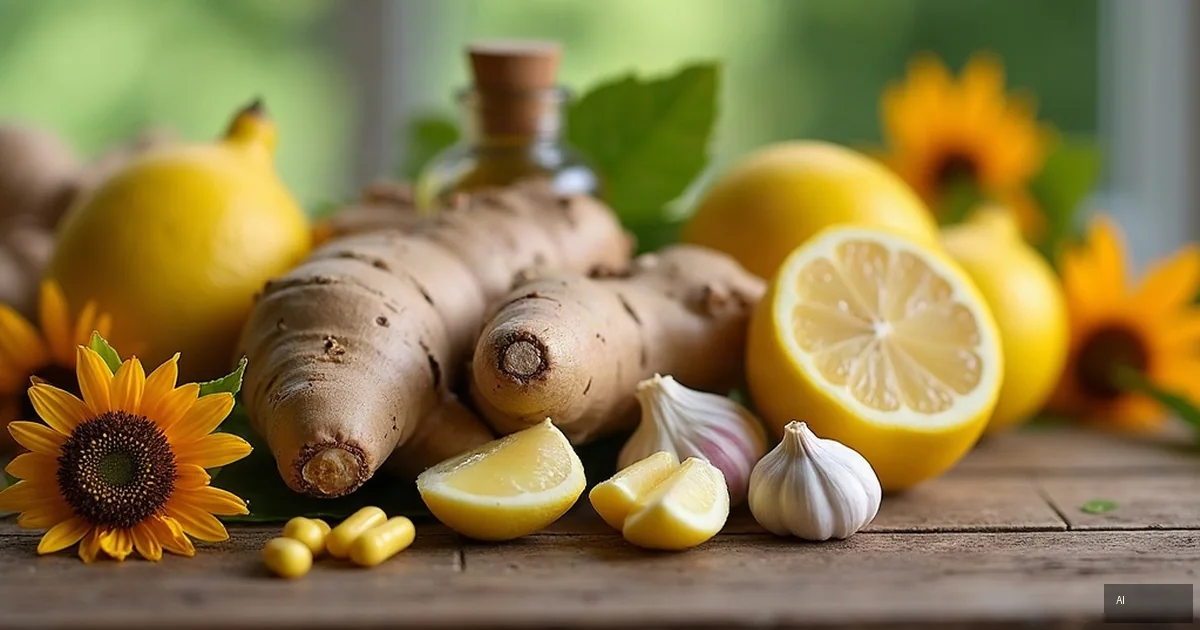
Garlic, ginger, turmeric, honey. They have natural antimicrobial properties and help fight infections.
💧 Hydration
Sufficient water intake is essential for the lymphatic system, which transports immune cells throughout the body.
😴 Sleep and Immunity Connection
Sleep is one of the most important but often overlooked factors in strengthening immunity. During sleep, the body produces cytokines — proteins that fight infections and inflammation.
Recommendations for athletes: 7–9 hours of quality sleep. Additionally, 30–60 min after intense training. Magnesium before sleep can improve sleep quality.
🌿 Adaptogens for Athletes
Adaptogens are natural substances that help the body adapt to stress (physical, psychological, environmental). They regulate cortisol levels, improve energy and strengthen immunity.
Most popular adaptogens:
- Ashwagandha — reduces cortisol, improves testosterone levels, strengthens immunity
- Rhodiola Rosea — reduces fatigue, improves endurance and concentration
- Ginseng (Panax) — increases energy, improves immune function
- Cordyceps (mushroom) — improves oxygen utilization, increases endurance
🛒 Recommended Supplements
These supplements will help strengthen the immune system and maintain health:
🏃♂️ Immunity Across Seasons
The strategy for strengthening immunity should vary depending on the time of year.
❄️ Winter
The greatest risk — flu, colds. Priority: Vit. D3 (4000 IU), zinc, echinacea, garlic. Less sun = more vit. D.
🌸 Spring
Allergies, the body's transition. Priority: quercetin, vit. C, probiotics. Gradually increase the volume of outdoor training.
☀️ Summer
Risk of dehydration, heat stroke. Priority: electrolytes, vit. C, antioxidants. Protect the skin from the sun (vit. E as well).
🍂 Autumn
Preparation for winter, strengthening immunity. Priority: building Vit. D3 stores, zinc, probiotics, adaptogens.
💉 Vaccinations and Sport
Athletes are recommended to get a flu vaccination annually. After vaccination, it is recommended not to do intense training for 24–48 hours — the body needs energy for antibody production. Light activity (walking) is allowed and may even improve the immune response.
🥤 Antioxidant Smoothies for Immunity
Here are a few simple and tasty smoothies you can make yourself to strengthen immunity:
- “Immunity Bomb” — 1 orange, 1/2 lemon, 1 cm ginger, 1 tsp honey, a pinch of turmeric. Blend and drink fresh.
- Green Antioxidant — a handful of spinach, 1 banana, 1 kiwi, 1/2 avocado, coconut water. Rich in vit. C, E and magnesium.
- Berry Protection — blueberries, raspberries, strawberries (frozen work too), Greek yogurt, flaxseed. Lots of antioxidants and probiotics.
- Golden Milk — warm plant-based milk + turmeric + black pepper + honey. Before bed — soothes and strengthens immunity.
🌿 Herbs for Immunity
Traditional herbs that may help strengthen immunity:
- Echinacea — for short-term use (up to 2 weeks), most effective when the first cold symptoms are felt
- Elderberries — rich in antioxidants, traditionally used for flu
- Ginger Root — warming, antimicrobial effect, improves circulation
- Thyme — a natural antiseptic, especially suitable for respiratory tract infections
🧪 Vitamin D Deficiency in Lithuania
In Lithuania, due to its geographical location, vitamin D deficiency is especially widespread — the population has insufficient vitamin D levels during the winter months. People who exercise are no exception — when vitamin D is lacking, not only immunity but also muscle strength declines. Recommendation: take 2000–4000 IU of vitamin D3 daily from October to April.