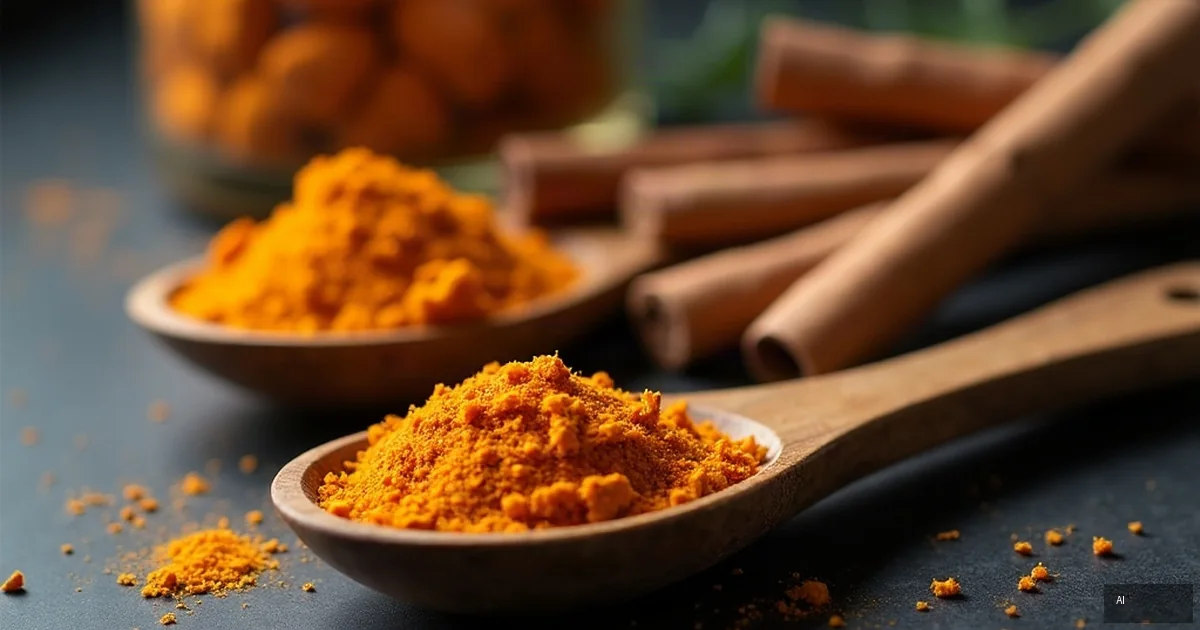
Why Are Spices Important for Athletes?
Spices are not just flavor enhancers. Many of them have powerful anti-inflammatory, antioxidant and metabolism-boosting effects. The best part: spices are cheap and easily accessible, and you need only 1-2 g per day to feel the health benefits.
📊 6 Sports Benefits of Spices
| Spice | Active compound | Main benefit | Daily dose |
|---|---|---|---|
| Turmeric | Curcumin | Anti-inflammatory, for joints | 1-3 g (1 tsp) with pepper |
| Ginger | Gingerols | Muscle Pain Reduction | 1-2 g fresh |
| Cinnamon | Cinnamaldehyde | Blood sugar regulation | 1-3 g (1/2-1 tsp) |
| Cayenne | Capsaicin | Thermogenesis, appetite control | 0.5-1 g |
| Black pepper | Piperine | Nutrient absorption | a pinch |
| Garlic | Allicin | Circulation, immunity | 2-4 g fresh |
🟡 Turmeric — The Anti-Inflammatory Powerhouse
Turmeric is one of the most studied spices — PubMed has over 15,000 articles on curcumin. It is important for athletes because of its anti-inflammatory effect, which helps recovery after training.
- DOMS reduction: A meta-analysis showed that curcumin reduces muscle pain (DOMS) compared with placebo.
- Joint protection: Inhibits COX-2 and 5-LOX enzymes — works similarly to NSAIDs (ibuprofen), but without side effects.
- Always with pepper: Without piperine, curcumin is barely absorbed!
🫚 Ginger — The Enemy of Muscle Pain
In a 2010 study, 2 g of ginger per day for 11 days reduced muscle pain after eccentric exercise.
- Before training: 1-2 g of fresh ginger 30-60 min before — reduces the inflammatory response during exercise.
- Nausea prevention: Effectively reduces nausea — useful during intense training.
- Digestion: Improves gastric motility and food absorption.
🛒 Recommended Products
❓ Frequently Asked Questions
Can Spices Replace Anti-Inflammatory Medications?
Not entirely, but they can reduce the need for them. In cases of acute pain, NSAIDs may be necessary. Consult your doctor.
Fresh or Dried Spices?
Fresh ones have more active compounds; dried ones are more concentrated. Ginger and garlic are better fresh. Turmeric — in powder form with pepper.