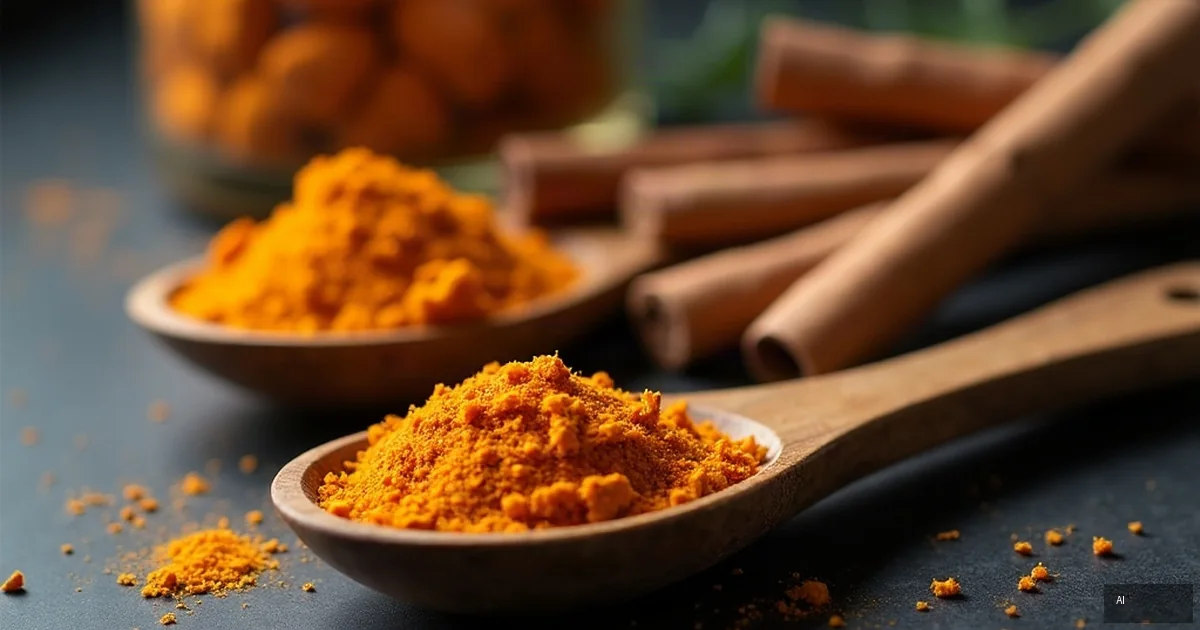
What Is Turmeric (Curcumin)?
Turmeric (Curcuma longa) — this is a spice that has been used for centuries in Ayurvedic medicine. Its active compound curcumin is one of the most powerful natural anti-inflammatory compounds. In sports, turmeric is valued for its ability to reduce muscle soreness after training (DOMS), protect joints, accelerate recovery and reduce chronic inflammation associated with high physical loads.
📊 Turmeric Forms: Curcumin and Its Bioavailability
| Form | Curcumin content | Bioavailability | Recommendation for Athletes |
|---|---|---|---|
| Natural turmeric powder | ~2–5% curcumin | Very low (1%) | Weak — large amounts required |
| Curcumin + piperine (Bioperine®) | 95% curcumin | 20 times higher | Best value — effective and affordable |
| Liposomal curcumin (Meriva®) | 18–22% curcumin | 29 times higher | Premium — for joints |
| Former curcumin (BCM-95®) | 86–95% curcumin | 6.9 times higher | Good alternative |
| Theracurmin® | ~30% curcumin | 27 times higher | Very good, expensive |
🧪 Scientifically Proven Benefits for Athletes
💪 Muscle Soreness Reduction
Curcumin inhibits COX-2 and LOX enzymes responsible for inflammation and pain. There is evidence of a reduction in DOMS intensity after intense eccentric exercises.
🦴 Joint Protection
Curcumin protects cartilage from degradation and reduces joint stiffness. For athletes who perform a lot of jumping or running, this means a lower risk of osteoarthritis.
🔄 Faster Recovery
By reducing systemic inflammation, curcumin allows faster restoration of muscle function after training. The rate of strength recovery increases noticeably.
🧠 Brain Health
Curcumin increases BDNF (brain-derived neurotrophic factor) levels, which are important for neuroplasticity and motor learning. This helps learn new movements faster.
⚫ Piperine: Why Black Pepper Is Essential
The main problem with curcumin is its extremely poor bioavailability. Without additional substances, the body absorbs less than 1% of consumed curcumin. Piperine (a black pepper alkaloid) increases curcumin absorption 2. Here is how it works:
- Inhibition of glucuronidation: The liver rapidly metabolizes curcumin into inactive compounds. Piperine blocks this process, prolonging curcumin circulation in the blood
- Increased intestinal permeability: Piperine increases intestinal wall permeability, allowing more curcumin to enter the blood
- Thermogenic effect: Piperine increases thermogenesis, creating synergy with the metabolic effects of curcumin
📋 Dosage Recommendations
- Preventive dose: 500 mg curcumin with 5 mg piperine, 1–2 times per day. Suitable for general health support and mild reduction of inflammation
- After intense training: 1000–1500 mg curcumin per day (divided into 2–3 doses). Most effectively reduces DOMS and accelerates recovery
- For joint protection: 1000 mg Meriva® (liposomal) curcumin per day. There is evidence of the best joint results with liposomal forms
- For acute inflammation: Up to 2000 mg per day for 3–5 days after injury or especially intense training. Only after consulting a doctor
🛒 Recommended Products
🔄 Turmeric Synergy with Other Supplements
- Omega-3 fatty acids: Together with curcumin, it creates a powerful anti-inflammatory combination. Both act through different inflammatory pathways, so the effect is broader
- Glucosamine and Chondroitin: Curcumin enhances the effects of these classic joint supplements. An ideal combination for athletes with joint problems
- Ginger: Both have an anti-inflammatory effect and complement each other. Ginger's gingerols act through different pathways than curcumin
- Vitamin D and K2 Complex: Curcumin + vitamin D helps regulate the immune response. Both substances are important for a healthy inflammatory response
💡 Practical Tips
🍳 With Fats
Curcumin is fat-soluble. Always take it with food containing fat (avocado, olive oil, eggs). Without fat, absorption is almost nonexistent.
⏰ After Training
The best time to take curcumin is immediately after training together with a recovery shake. This maximizes the anti-inflammatory effect when it is most needed.
🔥 Warming Effect
Curcumin has a mild thermogenic effect — after taking it, you may feel a sensation of warmth. This is normal and indicates that the substance is active.
💊 Quality Matters
Cheaper curcumin supplements without piperine or liposomal technology are almost useless — the body does not absorb them. Invest in standardized, third-party tested products.
❓ Frequently Asked Questions
Can Turmeric Replace Ibuprofen After Training?
Curcumin can be a natural alternative for mild inflammation and pain, but it is not a substitute for acute severe pain. Curcumin works more gently, but without the side effects typical of NSAIDs (stomach problems, kidney load). Many athletes successfully use curcumin instead of over-the-counter anti-inflammatory drugs.
Does Curcumin Inhibit Muscle Growth?
There is data that very high doses of antioxidants may slightly inhibit training adaptation. However, curcumin taken at recommended doses does not do this. On the contrary — by reducing inflammation, it allows you to train more often and more intensely.
Which Is Better — Turmeric in Food or Supplements?
Turmeric in food has a very low curcumin concentration (2–5%) and extremely poor bioavailability. To achieve a therapeutic effect, you would need to eat 10–20 g of turmeric per day, which is impractical. Supplements are a more effective way to get a therapeutic dose of curcumin.
🏅 Turmeric for Different Sports
- Strength sports: 500–1000 mg curcumin after training. Reduces muscle soreness after hard workouts, allows faster return to the gym
- Endurance sports: 500 mg twice a day. Protects against chronic inflammation associated with long distances
- Team sports: 500 mg in the morning and after training. Faster recovery between matches, lower injury risk
📚 Summary of Curcumin Research
Over the past decade, scientists have conducted more than 50 studies examining the effects of curcumin on sports. Most studies confirm a significant reduction in DOMS, better recovery after intense training, relief of joint pain, and strengthening of the antioxidant system. Curcumin is one of the few natural substances that has both broad scientific support and a safety profile that allows long-term use.