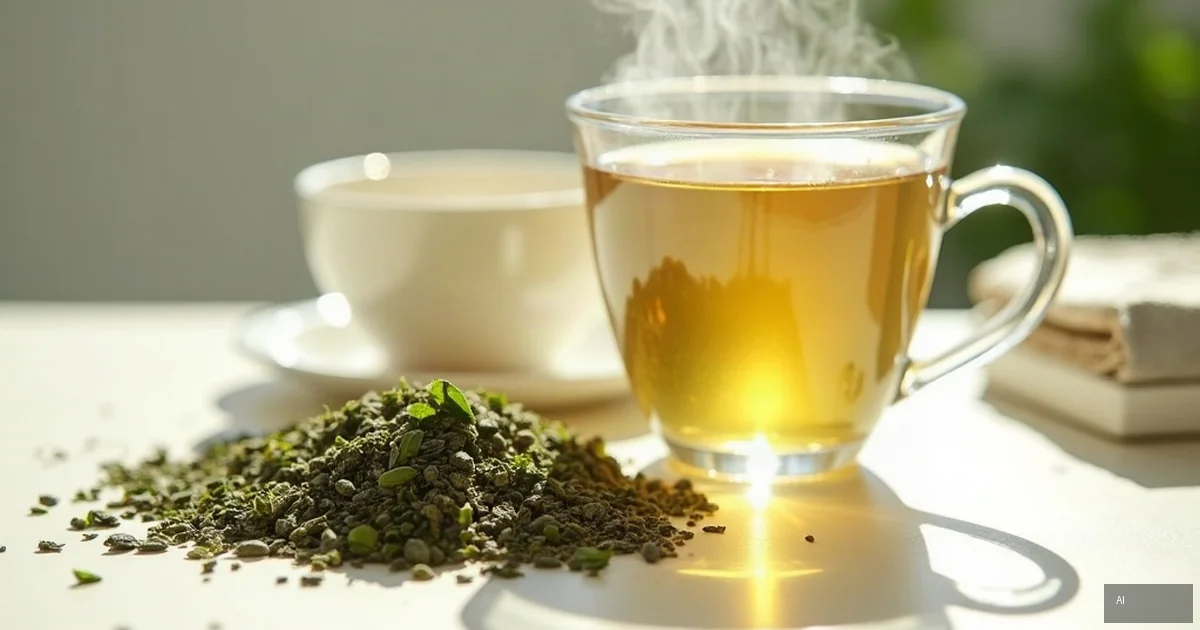
What Is Green Tea and Why Is It Important for Athletes?
Green tea (Camellia sinensis) is one of the most studied natural beverages in the world. Unlike black tea, green tea is not fermented, so it retains a high concentration of catechins — powerful antioxidants. For athletes, green tea is interesting for three main reasons: promotion of fat oxidation, antioxidant protection and reduction of inflammation.
📊 Green Tea Composition: What Is in the Cup?
| Component | Amount in 1 Cup (250 ml) | Main Benefit for Athlete |
|---|---|---|
| EGCG (Epigallocatechin Gallate) | 50–100 mg | Fat oxidation, thermogenesis |
| Total Catechin Content | 100–200 mg | Antioxidant protection, inflammation reduction |
| Caffeine | 25–50 mg | Energy, focus, endurance |
| L-theanine | 10–20 mg | Calmness without drowsiness, focus |
| Polyphenols | 150–300 mg | Cell protection, slowing of aging |
🔥 Green Tea and Fat Burning
One of the main advantages of green tea for athletes is its thermogenic effect. The EGCG catechin, acting together with caffeine, activates the sympathetic nervous system and increases energy expenditure even at rest.
📈 Thermogenesis
Green tea extract increases energy expenditure over 24 hours. This means an additional 80–100 kcal per day without any additional effort.
🔄 Fat Oxidation
EGCG inhibits the enzyme COMT (catechol-O-methyltransferase), which breaks down norepinephrine. Higher norepinephrine level = greater fat oxidation during physical exertion.
🏃 Endurance Improvement
Studies in mice showed that green tea extract prolonged running time to exhaustion by 8–24%. The effect is associated with better use of fatty acids for energy.
⚖️ Body Composition
A meta-analysis (11 studies, 2023) confirmed that green tea extract significantly reduces body fat percentage, especially in the abdominal area.
🛡️ Antioxidant Protection and Recovery
Intense training increases oxidative stress in the body. Green tea polyphenols neutralize free radicals, reduce muscle damage after training and accelerate recovery.
- Muscle protection: Catechins reduce creatine kinase (CK) levels after intense training — this indicates less muscle damage
- Reducing Inflammation: EGCG inhibits the NF-κB inflammatory pathway, reducing the production of TNF-α and IL-6 cytokines
- Strengthening immunity: Regular green tea consumption reduces the risk of upper respiratory tract infections in athletes
💊 Green Tea Extract vs Tea in a Cup
| Property | Green Tea (Cup) | Green Tea Extract (Capsule) |
|---|---|---|
| EGCG amount per dose | 50–100 mg | 200–500 mg |
| Caffeine amount | 25–50 mg | 0–50 mg (depends on product) |
| Digestion Rate | Slow, steady | Fast, concentrated |
| Additional benefits | Hydration, L-theanine, ritual | Higher concentration, convenience |
| Liver risk | Very low | High dose (>800 mg EGCG) — risk |
| Recommendation for Athletes | For daily use | For targeted use |
📋 How to Use Green Tea in Sports?
Dosage recommendations:
- Daily consumption: 2–4 cups of green tea per day (total 200–400 mg EGCG). This is enough for antioxidant protection and a mild fat-burning effect
- For fat burning: 400–600 mg EGCG per day (extract form), divided into 2 doses. Best taken between meals
- Before training: 1 cup of green tea (or 200 mg EGCG extract) 30–60 min. before training. Provides energy and promotes fat use for energy
- Cycling: After 8–12 weeks of use, a 2–3 week break is recommended so the body does not lose sensitivity to catechins
🛒 Recommended Products
💡 Practical Tips for Consuming Green Tea
🍋 With Lemon
Adding vitamin C to green tea (lemon juice) increases catechin absorption by up to 5 times. This is one of the simplest ways to enhance the tea's effect.
🥛 Without Milk
Casein (milk protein) binds to catechins and reduces their bioavailability. If you are aiming for maximum benefit, drink tea without milk.
⏰ Between Meals
Green tea tannins can interfere with iron absorption. Drink tea between meals rather than with meals, especially if you have iron deficiency.
🌡️ Not with Boiling Water
Brew green tea with 70–80°C water, not boiling (100°C). Water that is too hot destroys some catechins and makes it bitter.
❓ Frequently Asked Questions
Can Green Tea Replace Coffee Before Training?
Yes, but the effect is different. Green tea contains less caffeine (25–50 mg vs 80–200 mg in coffee), but it contains L-theanine, which provides "calm energy" without the jitteriness caused by caffeine. It is an excellent choice if you are sensitive to caffeine.
Is It Safe to Take Green Tea Extract Long-Term?
When taken at recommended doses (up to 600 mg EGCG per day) — yes, safe. However, very high doses (> 800 mg EGCG per day on an empty stomach) have been linked to cases of liver damage. Always follow the manufacturer's recommendations and take breaks.
When Is the Best Time to Drink Green Tea?
In the morning or before training — because of the caffeine. Avoid drinking it late in the evening if you are sensitive to caffeine. Green tea extract is best taken between meals on an empty stomach to maximize absorption.
Is Green Tea Suitable for All Athletes?
For most people — yes. However, athletes with iron deficiency, pregnant women, people with liver disease, or those taking blood-thinning medications should consult a doctor before using concentrated extracts.
🔄 Green Tea Synergy with Other Supplements
Green tea pairs excellently with other supplements, enhancing their effects:
- L-Carnitine: Together with green tea, it increases the transport of fatty acids into mitochondria — a double fat-burning effect
- Caffeine: Synergistic effect on thermogenesis. Green tea already contains caffeine, so additional caffeine may be too strong for sensitive people
- Omega-3: Both have anti-inflammatory effects. Together, they reduce inflammation after intense training more effectively
- Creatine: The combination with green tea may theoretically be beneficial, but caffeine may reduce creatine's effectiveness. Take them at different times
📚 Green Tea Research Summary
More than 2000 scientific publications examine the effects of green tea on health and sport. Key findings: EGCG effectively increases fat oxidation (especially during aerobic exercise), reduces inflammatory markers after training, improves insulin sensitivity, and protects muscle cells from oxidative damage. Green tea is one of the few supplements that has both a scientific basis and centuries of traditional use.