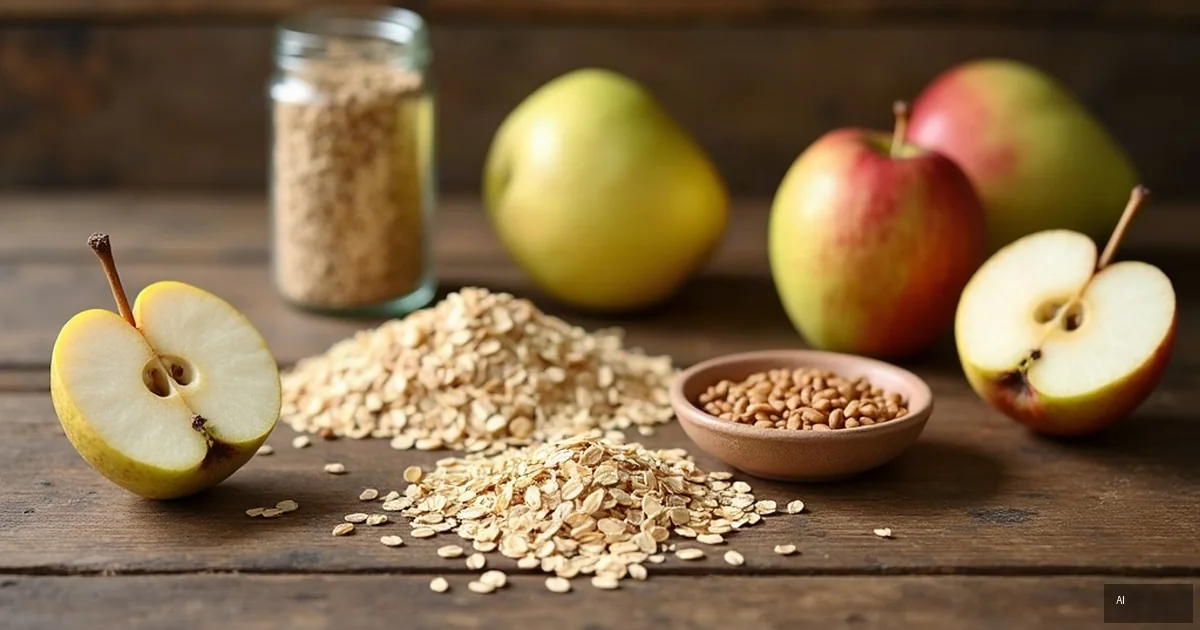
What Is Dietary Fiber?
Dietary fiber is the part of carbohydrates that the human body cannot digest or absorb. It passes through the digestive tract almost unchanged, but performs critically important functions: feeds beneficial gut bacteria, regulates blood sugar levels, contributes to maintaining normal cholesterol levels, and ensures regular bowel movements.
📊 Soluble vs Insoluble Fiber
| Property | Soluble Fiber | Insoluble Fiber |
|---|---|---|
| Dissolves in water? | Yes, forms a gel | No |
| Main Function | Sugar and cholesterol control | Stimulation of bowel movements |
| Sources | Oats, barley, apples, citrus fruits, carrots, legumes | Whole grain products, nuts, seeds, vegetables |
| Fermentable? | Yes, by gut bacteria | Very little |
| Effect on bowel movements | Slows down | Speeds up |
| Effect on Satiety | High | Intermediate |
🏋️ Why Is Fiber Important for Athletes?
🩸 Blood Sugar Control
Soluble fiber slows down carbohydrate absorption, preventing sudden sugar spikes. This helps maintain stable energy levels during training.
⚖️ Weight Control
Fiber increases food volume in the stomach without extra calories, creating a long-lasting feeling of fullness — this helps avoid overeating.
🦠 Microbiome Health
Prebiotic fiber feeds beneficial gut bacteria, which produce short-chain fatty acids (SCFA) that reduce inflammation.
🔄 Digestive Efficiency
Fiber ensures that a high protein intake (typical for athletes) does not cause constipation and digestive discomfort.
🥗 Best Fiber Sources for Athletes
| Product | Fiber content (100 g) | Type | Additional Benefit for Sports |
|---|---|---|---|
| Lentils (cooked) | 7.9 g | Soluble + insoluble | Iron, plant proteins |
| Black beans | 8.7 g | Soluble + insoluble | Magnesium, potassium |
| Oat flakes | 10.6 g | Soluble (beta-glucans) | Slow carbohydrates |
| Chia Seeds | 34.4 g | Predominantly soluble | Omega-3, protein |
| Broccoli | 2.6 g | Insoluble | Vitamin C, antioxidants |
| Sweet potatoes | 3.0 g | Soluble + insoluble | Beta-carotene, potassium |
| Raspberries | 6.5 g | Soluble + insoluble | Antioxidants, low kcal |
| Almonds | 12.5 g | Insoluble | Vitamin E, healthy fats |
📋 Recommended Daily Intakes
- For Men: 30–38 g per day. For athletes consuming 3000+ kcal, 35–45 g is recommended
- For Women: 21–25 g per day. For female athletes consuming 2000+ kcal, 25–35 g is recommended
- How to achieve: 5+ servings of vegetables/fruits + 3+ servings of whole grain products + legumes 3–4 times per week
- Important: Increase fiber intake gradually over 2–3 weeks and drink plenty of water (2.5–3.5 L per day)
- Before Competition: 24–48 hours before competition, reduce fiber intake to avoid digestive problems
⚠️ Too Much Fiber: Risks
🛒 Recommended Products
💡 Practical Tips
🥣 Breakfast
Start the day with oatmeal, adding chia seeds, flaxseeds, and berries. This will provide 10–15 g of fiber in one meal.
🥗 Lunch and Dinner
Fill half your plate with vegetables, a quarter with whole grain products, and a quarter with proteins. This will automatically ensure sufficient fiber intake.
🍎 Snacks
Choose fruits with skin (apples, pears), nuts, vegetable sticks with hummus instead of processed snacks.
🔄 Supplements
If you cannot get enough fiber from food, consider psyllium husk or inulin supplements. Start with 3–5 g per day.
❓ Frequently Asked Questions
Does Fiber Interfere with Protein Absorption?
No, fiber does not directly interfere with protein absorption. However, a very high fiber intake can slightly reduce the overall efficiency of nutrient absorption. The most important thing is balance and variety.
When Is the Best Time to Take Fiber Supplements?
It is best to take fiber supplements between meals or before a meal with a large glass of water. Never take them right before a workout — this can cause digestive discomfort.
Does Fiber Help with Weight Loss?
Yes, fiber is one of the most effective tools for weight control. It increases satiety, slows gastric emptying, and reduces total calorie intake without hunger.
📚 Scientific Basis
Large-scale epidemiological studies and meta-analyses consistently show that higher dietary fiber intake is associated with a lower risk of all-cause mortality, cardiovascular disease, type 2 diabetes, and several types of cancer. Each additional 8 g of fiber per day is associated with more favorable long-term health outcomes.