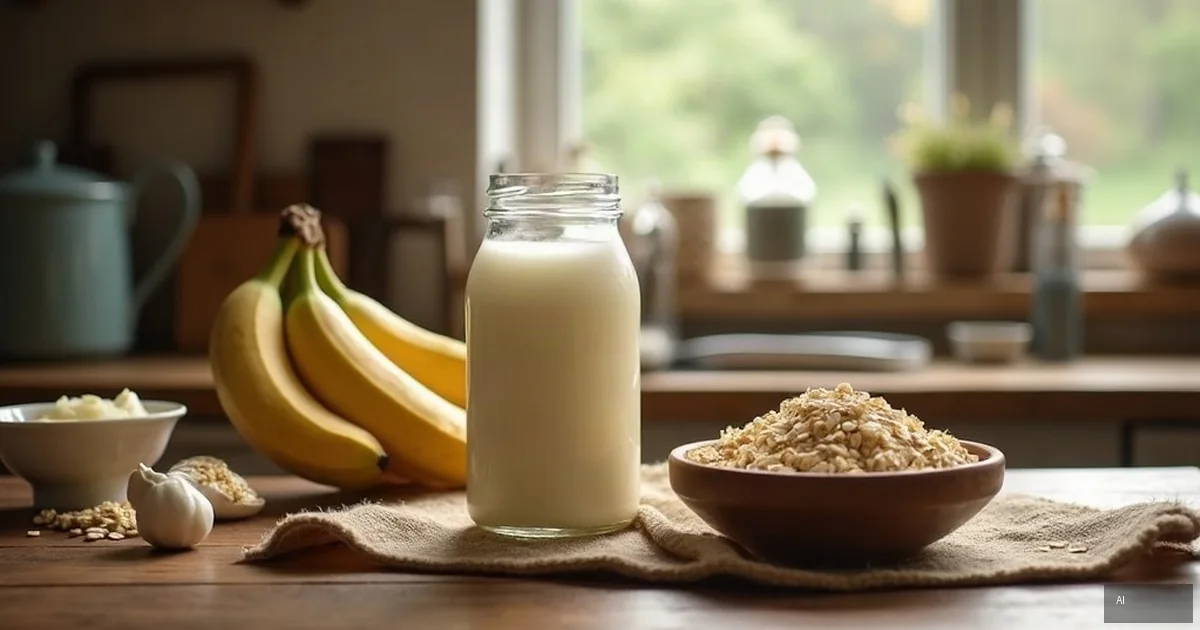
What Are Prebiotics?
Prebiotics are indigestible nutrients (mostly fiber) that selectively stimulate the growth and activity of beneficial gut bacteria. Unlike probiotics (live bacteria), prebiotics are like fertilizer for already existing beneficial bacteria. According to the official definition, a prebiotic must be resistant to stomach acid, fermented by the gut microflora and selectively stimulate the growth of beneficial bacteria.
📊 Types of Prebiotics
| Prebiotic | Sources | Affects bacteria | Dose (g/d.) |
|---|---|---|---|
| Inulin | Chicory root, Jerusalem artichokes, onions | Bifidobacterium spp. | 5–10 |
| FOS (fructooligosaccharides) | Bananas, onions, garlic, leeks | Bifidobacterium, Lactobacillus | 3–8 |
| GOS (galactooligosaccharides) | Dairy products, beans | Bifidobacterium (especially for infants) | 3–5 |
| Resistant starch | Cooled potatoes/rice, green bananas | Butyrate-producing bacteria | 15–20 |
| Polyphenols | Berries, cocoa, green tea | Akkermansia, Lactobacillus | 500–1000 mg |
| Beta-glucans | Oats, barley, mushrooms | Various beneficial bacteria | 3–5 |
🏋️ Prebiotics and Sport
🛡️ Immune Support
Prebiotics stimulate the production of SCFA (especially butyrate), which strengthens the gut barrier and reduces systemic inflammation. Athletes who consume prebiotics suffer less often from upper respiratory tract infections.
🦴 Mineral Absorption
Prebiotics (especially inulin and FOS) increase calcium and magnesium absorption by up to 15%. This is especially important for athletes whose bone load is high.
⚡ Energy Metabolism
SCFA produced from prebiotics provide additional energy (about 10% of daily calorie needs) and improve insulin sensitivity, which helps use carbohydrates more efficiently.
🧠 Mood and Stress
Prebiotics (especially GOS) reduce the cortisol response to stress and improve emotional resilience — this is critically important during competition.
🥗 Natural Sources of Prebiotics
| Food product | Prebiotic type | Amount (100 g) | How to include in the diet |
|---|---|---|---|
| Chicory root coffee | Inulin (40–65%) | ~40 g | As a coffee substitute in the morning |
| Jerusalem artichokes | Inulin | ~16 g | Bake, purée into soups |
| Garlic (raw) | FOS, inulin | ~9 g | Salads, spreads |
| Leeks | Inulin, FOS | ~5 g | Soups, stews |
| Asparagus | Inulin | ~3 g | Grill, steam |
| Cooled potatoes | Resistant starch | ~4 g | Potato salad |
| Green bananas | Resistant starch | ~5 g | Smoothies, porridge |
📋 How to Take Prebiotics?
- Starting dose: Start with 2–3 g per day and gradually increase to 5–10 g over 2–3 weeks
- Timing: Best taken in the morning or before lunch. Avoid before bedtime — fermentation can disrupt sleep
- With Probiotics: The combination (synbiotics) is the most effective. Prebiotics + probiotics = maximum improvement in gut health
- Water: Drink plenty of water (an additional 0.5–1 L), because fiber absorbs water
- Monitoring: Gas buildup may occur in the first weeks — this is a normal adaptation of the body
🛒 Recommended Products
💡 Practical Tips
☕ Morning Ritual
Replace your morning coffee with a chicory root drink — you will get 3–5 g of inulin, which perfectly feeds Bifidobacterium bacteria.
🥔 Cool Carbohydrates
Boil potatoes or rice in the evening and cool overnight in the refrigerator. Upon cooling, resistant starch forms, which is not present in hot foods.
🧅 Daily Prevention
Include at least 1–2 servings of garlic, onions, or leeks daily. This is the simplest way to get FOS and inulin without additional expense.
🍌 Green Banana Smoothie
Green bananas have 4–5 times more resistant starch than ripe ones. Add them to a smoothie along with berries.
❓ Frequently Asked Questions
How Do Prebiotics Differ from Probiotics?
Probiotics are live beneficial bacteria that you consume. Prebiotics are food for those bacteria. Analogy: probiotics = seeds, prebiotics = fertilizer and water. Both are needed for optimal results.
Can Prebiotics Replace Fiber?
Not quite. All prebiotics are fiber, but not all fiber is prebiotic. Prebiotics must specifically promote the growth of beneficial bacteria — this is scientifically proven. Regular fiber (cellulose) is not prebiotic.
How Long Does It Take to Feel the Effect?
The first digestive changes are noticeable within 3–7 days. A full change in microbiome composition is achieved within 3–4 weeks. Long-term effects on immunity and metabolism — within 2–3 months.