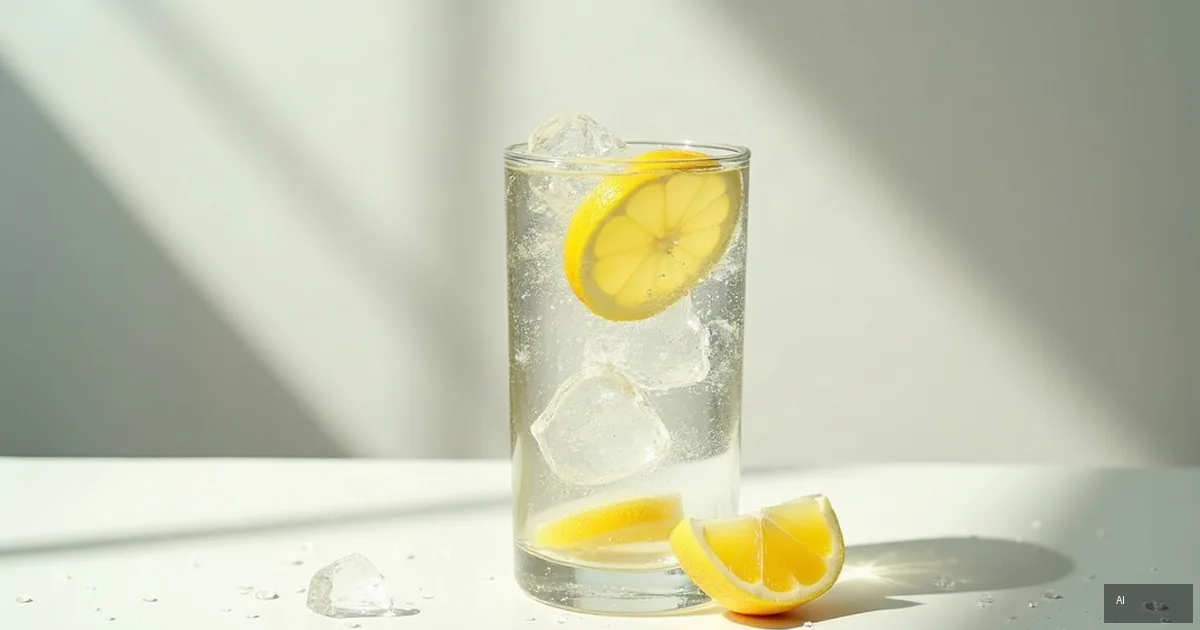
Why Is Hydration Critically Important?
Water makes up about 60% of human body mass and is essential for almost all body functions. During exercise, hydration becomes even more important — even a 1–2% loss of body weight through sweat can reduce athletic performance.
Main functions of water in sports:
- Temperature regulation — sweating cools the body, protects against overheating
- Nutrient transport — water carries glucose, amino acids and oxygen to the muscles
- Joint lubrication — synovial fluid, which lubricates the joints, is mostly composed of water
- Waste removal — helps remove lactic acid and other metabolic products
- Maintenance of blood volume — ensures normal blood circulation and oxygen supply
⚡ Electrolytes: Not Just Water
When we sweat, we lose not only water but also electrolytes — minerals that support nerve impulse transmission, muscle contractions and fluid balance.
| Electrolyte | Function | Lost through sweat | Sources |
|---|---|---|---|
| Sodium (Na⁺) | Fluid balance, nerve impulses | ~900 mg/l in sweat | Salt, sports drinks, salty snacks |
| Potassium (K⁺) | Muscle contractions, heart rhythm | ~200 mg/l in sweat | Bananas, potatoes, oranges, tomatoes |
| Magnesium (Mg²⁺) | Muscle relaxation, energy production | ~10–50 mg/l in sweat | Nuts, dark chocolate, green vegetables |
| Calcium (Ca²⁺) | Muscle contraction, bone health | ~20–60 mg/l in sweat | Milk, yogurt, cheese, sesame seeds |
⚠️ Signs of Dehydration
Recognize dehydration early to avoid a drop in performance and health problems.
🟡 Mild (1–2%)
Thirst, slightly darker urine, mild fatigue, dry mouth.
🟠 Moderate (3–5%)
Strong thirst, headache, muscle cramps, reduced sweating, dark urine.
🔴 Severe (6%+)
Dizziness, confusion, heart palpitations, fainting, complete absence of sweating. Medical assistance is required!
📐 Fluid Intake Schedule
| Time | Recommended Amount | What to drink | Notes |
|---|---|---|---|
| Daily (at rest) | 30–40 ml/kg body weight | Water, herbal tea | ~2–3 L per day for an 80 kg person |
| 2–3 h before training | 500–600 ml | Water | Slowly, not all at once |
| 15–30 min. before training | 250–350 ml | Water | Room temperature |
| During training | 150–250 ml every 15–20 min. | Water or isotonic drink | If >60 min. — with electrolytes |
| After Training | 1.5 L for every kg lost | Water + electrolytes | Weigh yourself before and after training |
🥤 Types of Sports Drinks
💧 Hypotonic (<4% carbs)
Quickly absorbed, suitable for short workouts and hot weather. Replaces lost fluids faster.
⚡ Isotonic (4–8% carbs)
Balanced amount of carbohydrates and electrolytes. The best choice for most sports, for workouts 60+ min.
🔋 Hypertonic (>8% carbs)
High carbohydrate concentration. Suitable after training for glycogen replenishment. Absorbed more slowly.
🛒 Recommended Supplements
Supplements that will help maintain optimal hydration and electrolyte balance:
🌡️ Hydration in Different Conditions
Fluid needs depend greatly on environmental conditions and the type of sport.
| Conditions | Sweating Intensity | Additional Electrolytes? | Recommendation |
|---|---|---|---|
| Cool (<15°C), light workout | Low (0.3–0.5 L/val.) | Not necessary | Water is enough |
| Warm (20–25°C), moderate workout | Moderate (0.5–1.0 L/val.) | After 60 min. — yes | Isotonic drink |
| Hot (>30°C), intense | High (1.0–2.5 L/val.) | Essential | Electrolytes every 15–20 min. |
| Humid environment | Very high | Essential | More sodium because sweat does not evaporate |
🥒 Natural Electrolyte Sources
Don't want to buy sports drinks? Here are natural alternatives:
- Coconut water — natural isotonic drink, rich in potassium and magnesium
- Banana Smoothie — banana + milk/water + a pinch of salt = an excellent recovery drink
- Cucumber water — cucumbers, lemon, mint, salt — refreshing and rich in electrolytes
- Homemade Isotonic Drink — 500 ml water + 200 ml orange juice + 1/4 tsp salt
🔬 How to Check Hydration Level?
There are several simple ways to assess your hydration status:
- Urine Color Test — light yellow = good, dark = dehydration
- Weight Change — weigh yourself before and after training. 1 kg loss = ~1 L fluid deficit
- Skin Elasticity Test (Turgor) — pinch a skin fold on the back of your hand. If it quickly returns to place — hydration is good
- Feeling of Thirst — thirst is a late sign of dehydration. Drink regularly, do not wait for thirst
🚰 Water Quality: Does It Matter?
Water quality matters for athletes. Hard water naturally contains more calcium and magnesium — this can be a plus. However, chlorinated water can irritate the stomach during long workouts. If possible, choose filtered or mineral water with a balanced mineral composition.
🏊♂️ Swimmers’ Hydration
Swimmers often do not notice that they sweat in water. It is estimated that swimmers can lose up to 0.5–1 L of fluids per hour of training. Before every swimming workout, drink 300–500 ml of water, and during training every 20 min — 150–200 ml. Pool chlorine also dries out the skin — an additional reason to drink more.