🥘 Ingredients:
1 banana, 2 eggs, 30 g whey protein (vanilla), 40 g oat flour, 1 tsp baking powder, 50 ml milk, a pinch of salt, coconut oil for frying
👨🍳 Cooking Steps:
1. Mash the banana with a fork until pureed. 2. Crack in the eggs, add the milk, and whisk well. 3. Add the protein, flour, baking powder, and salt — mix until smooth. 4. Heat a little coconut oil in a frying pan. 5. Cook for ~2–3 min on each side until golden. 6. Serve with Greek yogurt, berries, or nut butter.
🥘 Ingredients:
30g chocolate whey protein, 50g oat flour, 1 banana, 1 egg, 2 tbsp cocoa, 1 tsp baking powder, 80ml almond milk, 20g dark chocolate chunks
👨🍳 Cooking Steps:
1. Preheat the oven to 180°C. 2. Blend all ingredients (except the chocolate) in a blender or mix well. 3. Stir in the chocolate chunks. 4. Distribute the batter into muffin tins. 5. Bake for 15-18 min. 6. Cool for at least 5 min before eating.
🥘 Ingredients:
60g oat flakes, 30g whey protein (chocolate), 200ml milk, 1 tbsp chia seeds, 1 banana, 10g walnuts, 1 tsp honey
👨🍳 Cooking Steps:
1. Pour milk over the oats and cook over medium heat for ~5 min. 2. Remove from heat, stir in the protein and chia seeds. 3. Pour into a bowl. 4. Garnish with sliced banana and nuts, drizzle with honey.
🥘 Ingredients:
3 eggs, 4 egg whites, 30g grated cheese, a handful of spinach, 5 cherry tomatoes, salt, pepper, 1 tsp butter
👨🍳 Cooking Steps:
1. Whisk the eggs and egg whites with salt and pepper. 2. Melt the butter in a frying pan. 3. Pour in the egg mixture. 4. Sprinkle spinach, tomato halves, and cheese on top. 5. Cook over low heat with the lid on for ~5 min. 6. Fold in half and serve.
🥘 Ingredients:
200g low-fat cottage cheese, 1 egg, 30g whey protein, 40g flour, 1 tbsp sugar/erythritol, a pinch of vanilla, oil for frying
👨🍳 Cooking Steps:
1. Press the cottage cheese through a sieve or mash with a fork. 2. Crack in the egg, mix in the protein, flour, sweetener. 3. Form into patties (8-10 pcs). 4. Fry in hot oil for 2-3 min on each side. 5. Serve with sour cream or yogurt.
🥘 Ingredients:
150g chicken breast, 80g quinoa, 100g cherry tomatoes, 50g cucumber, 30g feta cheese, a handful of arugula, 1 tbsp olive oil, lemon juice, salt, pepper
👨🍳 Cooking Steps:
1. Cook the quinoa according to the instructions. 2. Season the chicken with spices and grill on a grill pan for ~6 min on each side. 3. Chop the vegetables. 4. Mix all ingredients, drizzle with oil and lemon juice.
🥘 Ingredients:
2 slices whole-grain bread, 1 can tuna in its own juice, 50g Greek yogurt, 30g avocado, spring onions, salt, pepper, lemon
👨🍳 Cooking Steps:
1. Drain the tuna. 2. Mix with yogurt, seasonings, chopped spring onions. 3. Mash the avocado onto a slice of bread. 4. Add the tuna mixture, top with the second slice.
🥘 Ingredients:
30g chocolate protein, 200ml Greek yogurt, 1 tbsp chia seeds, 1 tsp cocoa, 1 tsp honey
👨🍳 Cooking Steps:
1. Mix all ingredients well in a bowl. 2. Pour into a container, cover with plastic wrap. 3. Refrigerate for at least 2 hours (preferably overnight). 4. Garnish with berries just before serving.
🥘 Ingredients:
200g chicken breast, 200g sweet potatoes, 100g broccoli, 1 tbsp olive oil, paprika, garlic, rosemary
👨🍳 Cooking Steps:
1. Preheat the oven to 200°C. 2. Cut the sweet potatoes into cubes, drizzle with oil, sprinkle with rosemary — bake for 20 min. 3. Season the chicken with paprika and garlic. 4. After 20 min, add the chicken and broccoli to the potatoes and bake for another 15 min.
🥘 Ingredients:
60g protein powder (vanilla), 100g pitted dates, 50g oats, 30g almond butter, 2 tbsp honey, 20g dark chocolate, 2 tbsp water
👨🍳 Cooking Steps:
1. Soak the dates in hot water for 10 min. 2. Blend the dates, oats, protein, nut butter, and honey with a blender. 3. If too dry, add water. 4. Press the mixture into a mold (1.5 cm thick). 5. Pour melted chocolate on top. 6. Freeze for at least 1 hour, then slice.
🥘 Ingredients:
30g whey protein (natural flavor), 150g frozen mango, 200ml almond milk, 1 tbsp Greek yogurt, 1 tsp chia seeds
👨🍳 Cooking Steps:
1. Put all ingredients into a blender. 2. Blend until smooth, ~30-40 sec. 3. Pour into a glass, garnish with mango pieces. Drink immediately!
🥘 Ingredients:
1 whole-grain tortilla, 100g chicken breast, 50g mozzarella, 2 tbsp tomato sauce, a handful of spinach, 5 cherry tomatoes, oregano
👨🍳 Cooking Steps:
1. Preheat the oven to 200°C. 2. Cut the chicken into strips, sauté. 3. Spread sauce on the tortilla, add chicken, spinach, tomatoes, cheese. 4. Bake for 8-10 min.
🥘 Ingredients:
30g protein (vanilla), 60g oats, 1 banana, 30g raisins, 1 tsp cinnamon, 1 egg
👨🍳 Cooking Steps:
1. Preheat the oven to 175°C. 2. Mash the banana, mix with the egg. 3. Stir in the oats, protein, raisins, cinnamon. 4. Form 8-10 cookies on baking paper. 5. Bake for 12-15 min.
🥘 Ingredients:
150g salmon fillet, 150g asparagus, 1 tbsp olive oil, 1 lemon wedge, salt, pepper, dill
👨🍳 Cooking Steps:
1. Preheat the oven to 200°C. 2. Season the salmon with salt, pepper, lemon, and dill. 3. Drizzle the asparagus with oil. 4. Place everything on a baking sheet. 5. Bake for 15-18 min — until the salmon is cooked and the asparagus is tender.
🥘 Ingredients:
30g chocolate whey protein, 200ml cold coffee drink (or espresso+water), 100ml almond milk, 3-4 ice cubes
👨🍳 Cooking Steps:
1. Put all ingredients into a blender. 2. Blend for ~20-30 sec. 3. Pour into a tall glass. A great pre-workout drink!
🥘 Ingredients:
150g beef sirloin, 80g quinoa, 100g zucchini, 50g bell pepper, garlic, black pepper, 1 tbsp butter
👨🍳 Cooking Steps:
1. Cook the quinoa. 2. Season the beef with salt, pepper, and garlic. 3. In a heated pan with butter, cook for 3-4 min on each side (medium). 4. Let rest for 5 min. 5. Sauté the vegetables. 6. Serve together.
🥘 Ingredients:
50g protein powder, 80g dates, 40g almonds, 20g coconut flakes, 1 tbsp cocoa, 1 tbsp honey
👨🍳 Cooking Steps:
1. Soak the dates for 5 min. 2. Blend all ingredients (except the coconut) in a food processor. 3. Shape into balls (12 pcs). 4. Roll in coconut flakes. 5. Store in the refrigerator.
🥘 Ingredients:
300g broccoli, 4 eggs, 100g cottage cheese, 50g grated rennet cheese, 50ml milk, salt, pepper, nutmeg
👨🍳 Cooking Steps:
1. Preheat the oven to 180°C. 2. Blanch the broccoli for 3 min, drain. 3. Whisk the eggs with cottage cheese, milk, and seasonings. 4. Place the broccoli in a baking dish, pour over the egg mixture. 5. Sprinkle with cheese. 6. Bake for 25 min.
🥘 Ingredients:
200g Greek yogurt (10% fat), 40g homemade granola (oats+nuts), 1 tbsp honey, 50g berry mix, 10g pumpkin seeds
👨🍳 Cooking Steps:
1. Pour the yogurt into a bowl. 2. Sprinkle the granola, berries, and seeds on top. 3. Drizzle with honey. 4. Enjoy immediately!
🥘 Ingredients:
150g ground turkey, 1 whole-grain bun, 30g avocado, 1 tomato slice, 1 lettuce leaf, garlic, salt, pepper
👨🍳 Cooking Steps:
1. Mix the ground meat with garlic, salt, and pepper. 2. Shape into a patty. 3. Grill or pan-fry for 4-5 min per side. 4. Cut the bun in half and toast it. 5. Assemble the burger with avocado, tomato, and lettuce.
🥘 Ingredients:
30g vanilla whey protein, 100g frozen berry mix, 200ml milk, 1 tbsp flax seeds, 1 tsp honey
👨🍳 Cooking Steps:
1. Put everything into a blender. 2. Blend for ~40 sec until smooth. 3. Pour into a glass. 4. A tasty and quick breakfast replacement!
🥘 Ingredients:
1 whole-grain tortilla, 120g chicken breast, 30g hummus, 50g cucumber, 30g carrots, a handful of spinach, paprika powder
👨🍳 Cooking Steps:
1. Season the chicken with paprika, cook ~8 min. 2. Cut into strips. 3. Spread hummus on the tortilla. 4. Add spinach, chicken, sliced cucumber and carrots. 5. Roll up the wrap, cut in half.
🥘 Ingredients:
1 can tuna, 1 avocado, 100g cherry tomatoes, 50g onion, 1 tbsp olive oil, lemon juice, salt, pepper
👨🍳 Cooking Steps:
1. Drain the can of tuna. 2. Dice the avocado and vegetables. 3. Mix everything in a bowl. 4. Drizzle with oil and lemon juice. 5. Season with salt and pepper.
🥘 Ingredients:
Batter: 2 eggs, 30g protein, 40g flour, 150ml milk. Filling: 150g low-fat cottage cheese, 1 tsp vanilla, 1 tbsp honey, 20g raisins
👨🍳 Cooking Steps:
1. Whisk all batter ingredients. 2. Cook thin pancakes. 3. For the filling, mix cottage cheese, vanilla, honey, raisins. 4. Put filling on each pancake, roll up. 5. You can pan-fry until crispy.
🥘 Ingredients:
3 eggs, 50g lean ham, 30g cheese, 1 tomato, a handful of spinach, 1 tsp butter, salt, pepper
👨🍳 Cooking Steps:
1. Dice the ham. 2. Whisk the eggs with salt and pepper. 3. Sauté the ham in a pan with butter. 4. Pour in the eggs, add spinach and tomato. 5. Cook while stirring for ~3 min. 6. Sprinkle with cheese.
🥘 Ingredients:
30g whey protein (chocolate), 1 tbsp peanut butter, 200ml milk, 1 banana, 1 tsp honey, 3 ice cubes
👨🍳 Cooking Steps:
1. Put everything in a blender. 2. Blend for 40 sec. 3. Pour, enjoy! Tasty and high-calorie — great for muscle growth.
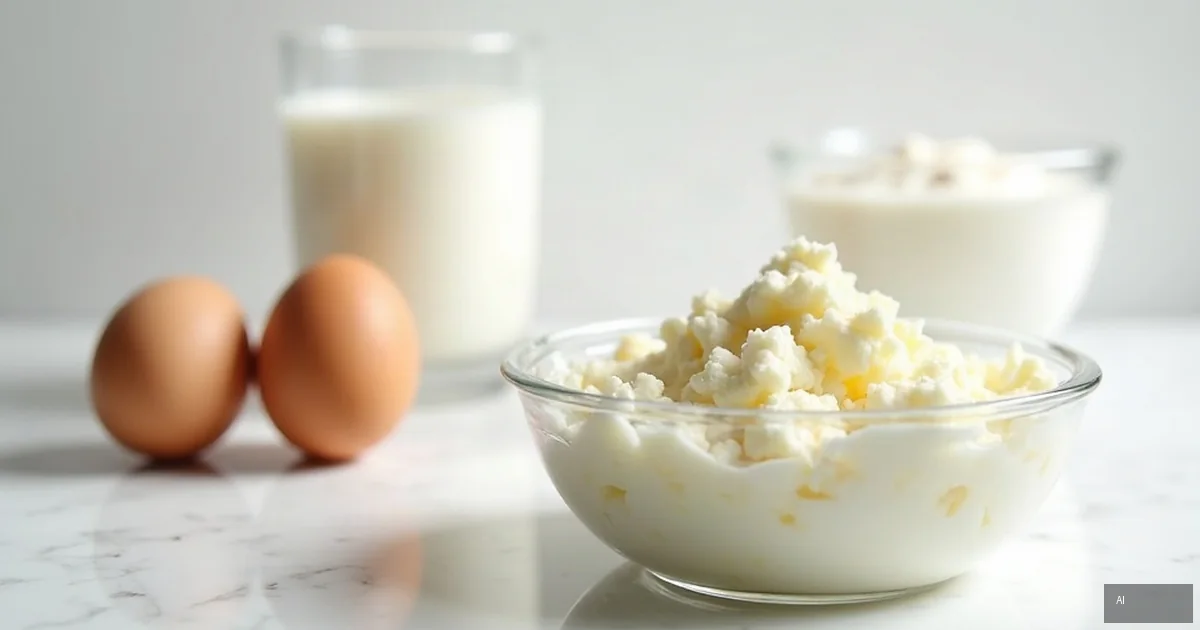
💪 Why Is Protein Important for Athletes?
Protein is the main building material for muscles. During exercise, muscles experience microtears, and protein provides the amino acids needed for their repair and growth. It is recommended that athletes consume 1.6–2.2 g of protein per 1 kg of body weight per day.
These recipes are designed so that each dish contains at least 20-30 g of protein — the optimal amount to stimulate muscle protein synthesis.
🕐 When Is the Best Time to Eat Protein?
- After training (within 2 hours) — 30-40 g of fast proteins (whey) for muscle recovery
- For Breakfast — after a night of fasting, the body needs amino acids
- Before Sleep — slow-digesting proteins (casein, cottage cheese) nourish muscles all night
- Evenly Throughout the Day — 20-40 g every 3-4 hours
📊 Understanding Macros
Each recipe includes a macro table: protein (P), carbohydrates (C), fats (F) and calories (kcal). Protein and carbohydrates have 4 kcal/g each, fats — 9 kcal/g. A balanced diet for an athlete: 30% protein, 45% carbohydrates, 25% fats.
🛒 Best Proteins for Recipes
All these recipes work great with whey protein (whey) — vanilla or chocolate. They have a neutral taste in baked goods, dissolve well and have a complete amino acid profile. You can also use plant proteins (pea, soy) for vegans.