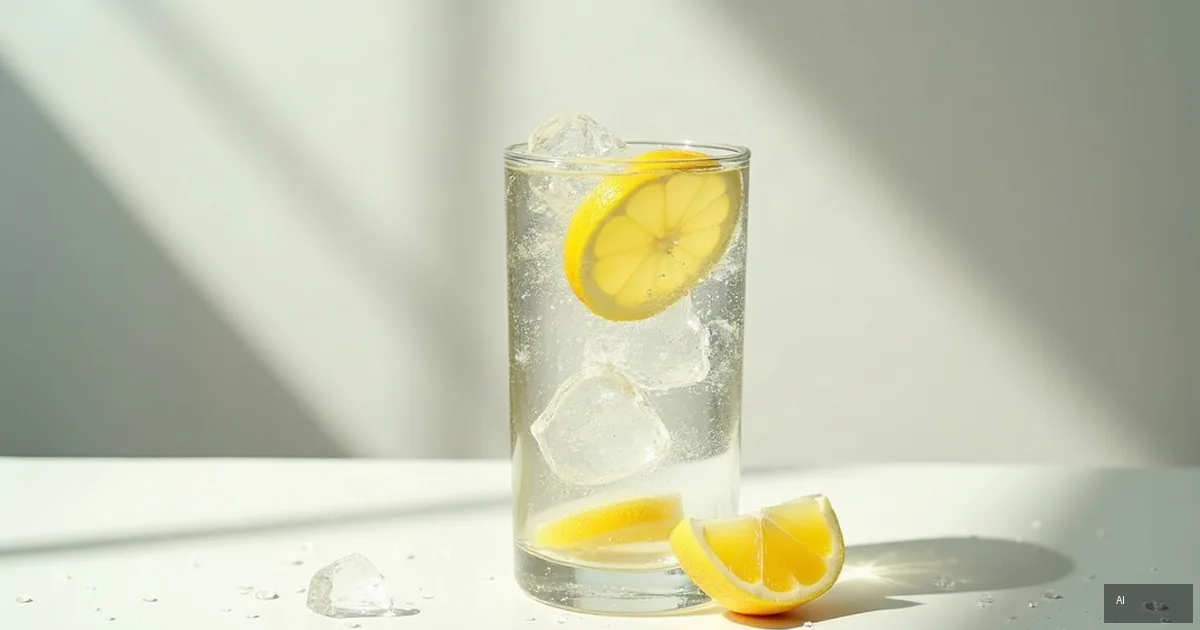
☀️ Hydration Needs by Summer Sport
🏃 Running
During one hour of running, 1–2 liters of sweat are lost (depending on intensity and temperature). Drink 150–250 ml every 15–20 minutes.
🚴 Cycling
Wind cools you, so you do not notice sweating. Forced drinking every 15 min, even if you are not thirsty.
🏊 Swimming
Even though you are in the water, you still sweat! Drink before and after swimming. Keep a bottle on the edge of the pool.
🎾 Tennis / Basketball / Football
Game sports in heat are the most dangerous — the excitement of the game overrides thirst. Mandatory drinking breaks every 15–20 min.
🏋️ Outdoor Workouts
CrossFit, park workouts. Before workout: 500 ml. During workout: 200 ml every 15 min. After: 750 ml.
☀️ Sun Protection When Exercising Outdoors
On hot days, outdoor training is not only a matter of hydration but also skin protection. Use a water-resistant sunscreen, reapply it after heavy sweating, and, if possible, avoid the midday sun. Light-colored clothing and a hat help prevent overheating and sunstroke. These measures not only protect your health but also allow you to train longer and with better quality.
🕐 Planning Training in the Heat
It is better to schedule intense workouts for early morning or late evening, when the temperature is lower. If you have to exercise during the day, reduce intensity and rest longer in the shade. The body acclimatizes to heat gradually — during the first weeks of the hot season, do not rush to chase personal records. Listen to your body's signals: dizziness or nausea is a sign to stop and cool down.
🏊 Summer-Appropriate Sports
- Swimming — cools the body and engages all muscle groups (see swimming).
- Running by the Water — more pleasant temperature and scenery (see running).
- Beach Volleyball — sand additionally challenges the legs and coordination.
- Hiking and Cycling — endurance in nature without excessive overheating if you choose the morning.
💧 Hydration Rules in Brief
Drink before, during, and after training, not only when thirst strikes. During prolonged exercise in the heat, water alone may not be enough — electrolytes are also lost. Light yellow urine is a good sign that you are sufficiently hydrated. Read more about water needs in the water guide.
🌡️ Signs of Heat and Overheating
Recognizing overheating as early as possible is worthwhile. The first signs are heavy sweating, thirst, muscle cramps, and dizziness. If you feel these symptoms, stop, move into the shade, cool your body, and drink in small sips. Heat stroke — a more serious condition with hot skin and confusion — requires emergency help, so it is better to avoid it by stopping training in time.
🥤 Electrolytes and Drinks
When you sweat intensely, you lose not only water but also electrolytes — sodium, potassium, and other minerals. For long workouts in the heat, water alone may not be enough, so it is worth having an electrolyte drink or a salted snack. Do not drink large amounts of carbonated or very sweet drinks — they can cause discomfort. The best choice is water with a pinch of salt or a special electrolyte mix.
🍉 Nutrition on Hot Days
During hot weather, appetite often decreases, so choose lighter but nutritious food: fruits, vegetables, lean proteins, and light dishes. Heavy, fatty food before training can cause discomfort. Do not forget salt, as you lose it through sweating — lightly salted food will help maintain electrolyte balance. Eat in smaller portions but more often.
⏰ Best Time to Exercise
During the hottest part of the day, roughly from 11:00 to 16:00, it is better to avoid intense outdoor exercise. Early morning is the coolest and cleanest air; evening is also suitable, just try to finish at least a couple of hours before sleep. By choosing a consistent time, you will find it easier to maintain a routine and avoid the peak heat and strongest sun.
❓ FAQ
How to Recognize Dehydration During Exercise?
First signs: thirst, dark urine, dry mouth. Later: headache, muscle cramps. Urine should be light yellow.
Can You Drink Too Much Water?
Yes! Hyperhydration (hyponatremia) is dangerous. Symptoms: nausea, confusion. Always use electrolytes during long workouts.
When Is the Best Time to Exercise in Hot Weather?
Early in the morning (until 10 val.) or in the evening (after 18 val.). Avoid 11–16 valandos, when the UV index is highest.
📚 Additional Resources
Want to learn more? We recommend these sources:
📱 Apps: Strava, Nike Training Club, MyFitnessPal — track your progress and nutrition.
: Sports nutrition and training literature in Lithuanian and English.
🎓 Consultations: Consult a sports nutrition specialist or personal trainer for an individual plan.
⚠️ Important: All information is for informational purposes only. Before starting a new training or nutrition program, consult a doctor or a certified specialist.