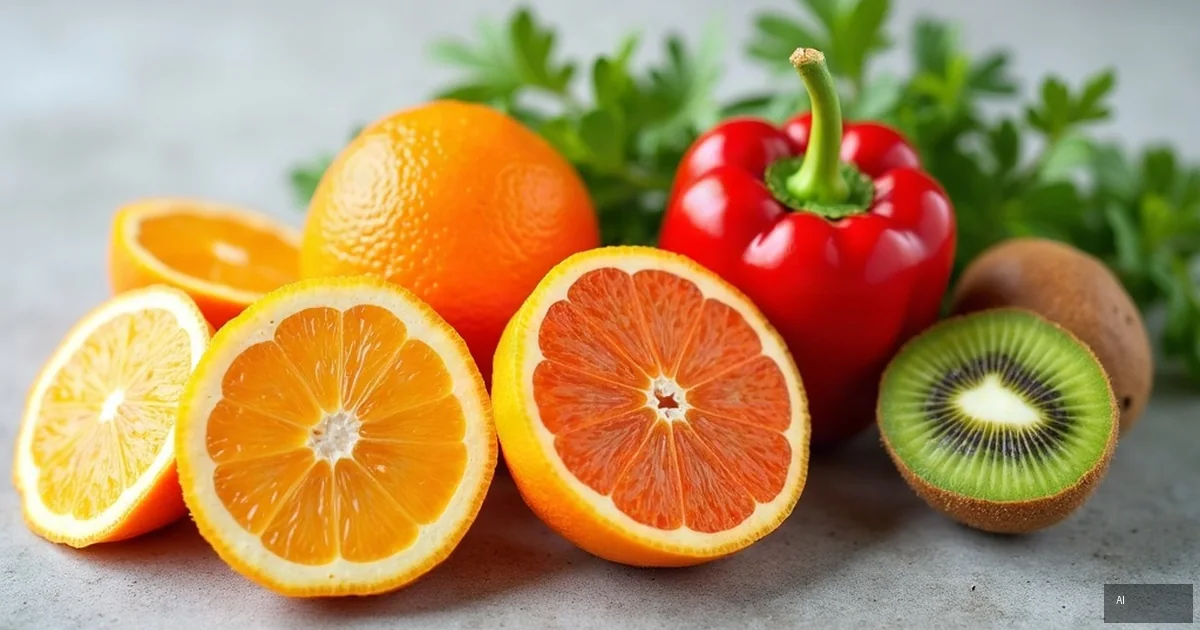
What Is Vitamin A?
Vitamin A is a fat-soluble vitamin existing in two forms: (1) preformed vitamin A (retinol, retinyl esters) in animal-derived products and (2) provitamin A carotenoids (beta-carotene, alpha-carotene) in plant products. For athletes, vitamin A is critically important for vision, the immune system, protein synthesis and testosterone production.
📊 Vitamin A Forms and Sources
| Form | Type | Sources | Bioavailability |
|---|---|---|---|
| Retinol | Active vitamin A | Liver, fish oil, egg yolks | 90-100% absorption |
| Retinyl palmitate | Storage form | Dairy products, supplements | 80-90% |
| Beta-Carotene | Provitamin A | Carrots, sweet potatoes, spinach | 5-65% (depends on matrices) |
| Alpha-Carotene | Provitamin A | Pumpkins, carrots, red bell peppers | Conversion ~50% of beta-carotene |
| Beta-Cryptoxanthin | Provitamin A | Oranges, tangerines, peaches | Better conversion than beta-carotene |
🏋️ Vitamin A Benefits for Athletes
👁️ Vision and Reaction
Vitamin A is essential for the production of rhodopsin (the visual pigment). Faster visual reaction — critically important in team sports and martial arts.
🛡️ Immune Support
Vitamin A supports the mucosal barrier (the first line of defense) and regulates T-cell differentiation. With intensive training, immunity weakens — vitamin A helps maintain it.
💪 Protein Synthesis
Retinol participates in gene expression, including pathways of muscle protein synthesis. Vitamin A deficiency can slow muscle growth and recovery.
🔋 Testosterone Production
Vitamin A is essential for the expression of steroidogenesis enzymes (StAR, CYP11A1). Adequate vitamin A ensures optimal testosterone synthesis.
📋 Recommended Doses
- RDA: 900 μg RAE (retinol activity equivalents) for men, 700 μg RAE for women
- For athletes: 1000-1500 μg RAE per day. Especially important for strength athletes
- Upper safe limit: 3000 μg RAE per day (preformed vitamin A)
- Beta-Carotene: Safe at higher doses (up to 20-30 mg), because the body converts only as much as it needs
- Synergy: Take with zinc (necessary for retinol transport) and vitamins D, E, K (fat-soluble vitamins act synergistically)
🛒 Recommended Products
🥗 Best Food Sources
| Product | Vitamin A Content (100 g) | % RDA | Additional Benefit for Sports |
|---|---|---|---|
| Beef liver | 9,442 μg RAE | 1,049% | Iron, protein |
| Sweet potatoes | 709 μg RAE | 79% | Complex carbohydrates |
| Carrots | 835 μg RAE | 93% | Fiber, low in calories |
| Spinach (cooked) | 469 μg RAE | 52% | Iron, magnesium |
| Egg yolk | 381 μg RAE (1 large) | 42% | Protein, choline |
| Butter | 684 μg RAE | 76% | Vitamin K2, healthy fats |
❓ Frequently Asked Questions
Can Beta-Carotene Replace Retinol?
Partly. The conversion of beta-carotene to retinol is limited — approximately a 12:1 ratio (12 μg beta-carotene = 1 μg RAE). In addition, conversion efficiency depends on genetics (about people have a BCMO1 gene variant that reduces conversion). Athletes are recommended to obtain at least part of their vitamin A from animal-derived sources.
Does Vitamin A Help Skin After Training?
Yes. Vitamin A (especially retinol) promotes skin cell renewal and collagen synthesis. This can help minor injuries, scratches and acne caused by sweating heal faster.
When Is the Best Time to Take Vitamin A Supplements?
With food containing fat (fat-soluble). Best with the largest meal of the day. Not recommended to take right before training, as it may cause mild nausea.