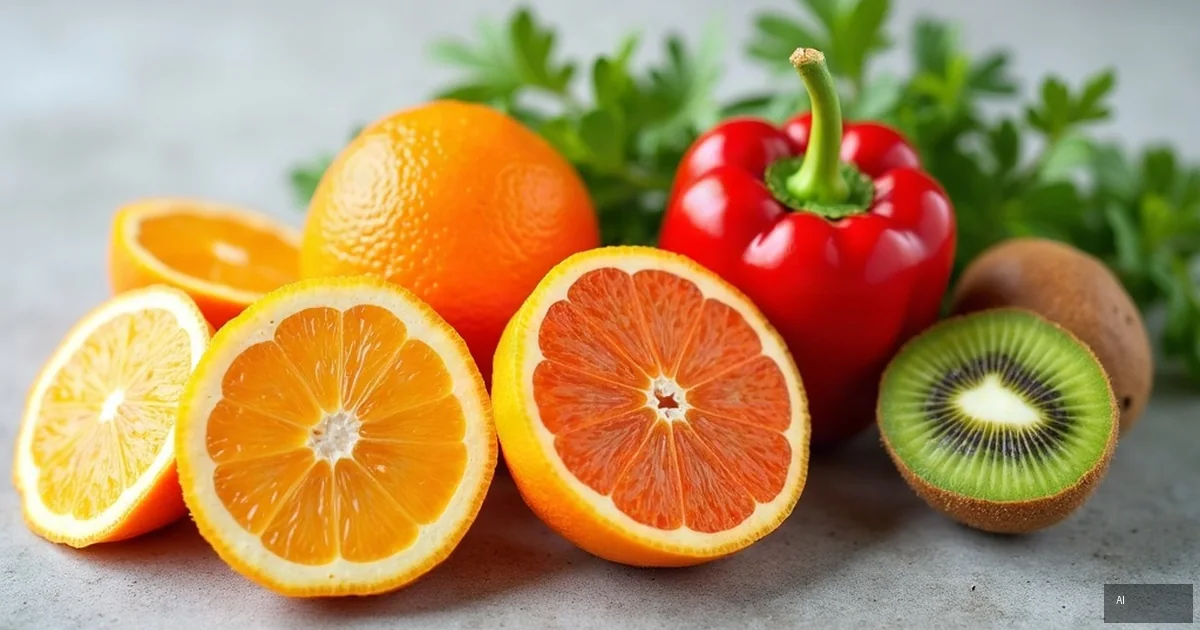
What Is Vitamin E?
Vitamin E is a group of 8 fat-soluble antioxidants: 4 tocopherols (alpha, beta, gamma, delta) and 4 tocotrienols. Alpha-tocopherol is the most biologically active form. Vitamin E is the main antioxidant of cell membranes, protecting unsaturated fatty acids from oxidative damage, which increases significantly during intense training.
📊 Vitamin E Forms
| Form | Sources | Antioxidant Activity | Bioavailability |
|---|---|---|---|
| Alpha-tocopherol | Sunflower oil, almonds | 100% (standard) | High (TTP protein) |
| Gamma-tocopherol | Soybean oil, walnuts | 10-30% alpha-tocopherol | Low (rapidly metabolized) |
| Tocotrienols | Palm oil, rice bran | 40-60x stronger in membranes | Lower, but with unique properties |
| Delta-tocopherol | Wheat germ, vegetable oils | Weak antioxidant | Very low |
🏋️ Vitamin E Benefits for Athletes
🛡️ Antioxidant Protection
The main function of vitamin E is to protect cell membranes from lipid peroxidation. For athletes, this means less muscle damage, less DOMS (delayed-onset muscle soreness) and faster recovery.
🔄 Recovery Acceleration
Vitamin E, together with vitamin C and selenium, forms an antioxidant system that neutralizes free radicals generated during training. This reduces inflammatory markers (IL-6, TNF-alpha).
🫀 Heart Health
Vitamin E protects LDL cholesterol from oxidation — a key step in atherosclerosis. This is especially important for endurance athletes, whose hearts experience long-term loads.
🩸 Improved Circulation
Vitamin E acts as a mild anticoagulant, improving blood flow and oxygen supply to muscles. This may improve endurance, especially at high altitude.
🥗 Best Food Sources
| Product | Vitamin E (100 g) | % RDA | Additional Benefit for Sports |
|---|---|---|---|
| Wheat germ oil | 149 mg (1 tablespoon) | 995% | B-group vitamins |
| Sunflower seeds | 35 mg | 234% | Magnesium, selenium |
| Almonds | 26 mg | 173% | Protein, magnesium |
| Sunflower oil | 41 mg (1 tablespoon) | 274% | Healthy fats |
| Avocado | 2.1 mg (1 unit) | 14% | Potassium, healthy fats |
| Spinach (cooked) | 2.0 mg | 13% | Iron, magnesium |
📋 Recommended Doses for Athletes
- RDA: 15 mg (22.4 TV) alpha-tocopherol per day for adults
- For athletes: 20-40 mg (30-60 TV) per day. Especially important for endurance athletes
- Upper safe limit: 1000 mg (1500 TV) per day
- Optimal time: With food containing fat (fat-soluble). Best — with the largest meal of the day
- Synergy: Take with vitamin C (regenerates oxidized vitamin E) and selenium (forms the glutathione peroxidase system)
🛒 Recommended Products
❓ Frequently Asked Questions
Can Vitamin E Replace Other Antioxidants?
No. The antioxidant system is complex: vitamin E acts in membranes, vitamin C in water, selenium in enzymes (glutathione peroxidase). They act synergistically and do not replace one another.
Can Vitamin E Help with Muscle Cramps?
A direct effect on cramps has not been proven. However, vitamin E improves circulation and reduces oxidative stress, which may indirectly reduce the frequency of cramps. The main factor in cramps remains electrolyte (magnesium, potassium) imbalance.
Natural or Synthetic Vitamin E — Which Is Better?
Natural vitamin E (d-alpha-tocopherol) is 2 times more biologically active than synthetic (dl-alpha-tocopherol). In addition, natural forms also contain other tocopherols/tocotrienols that are not present in the synthetic version. It is recommended to choose the natural form.