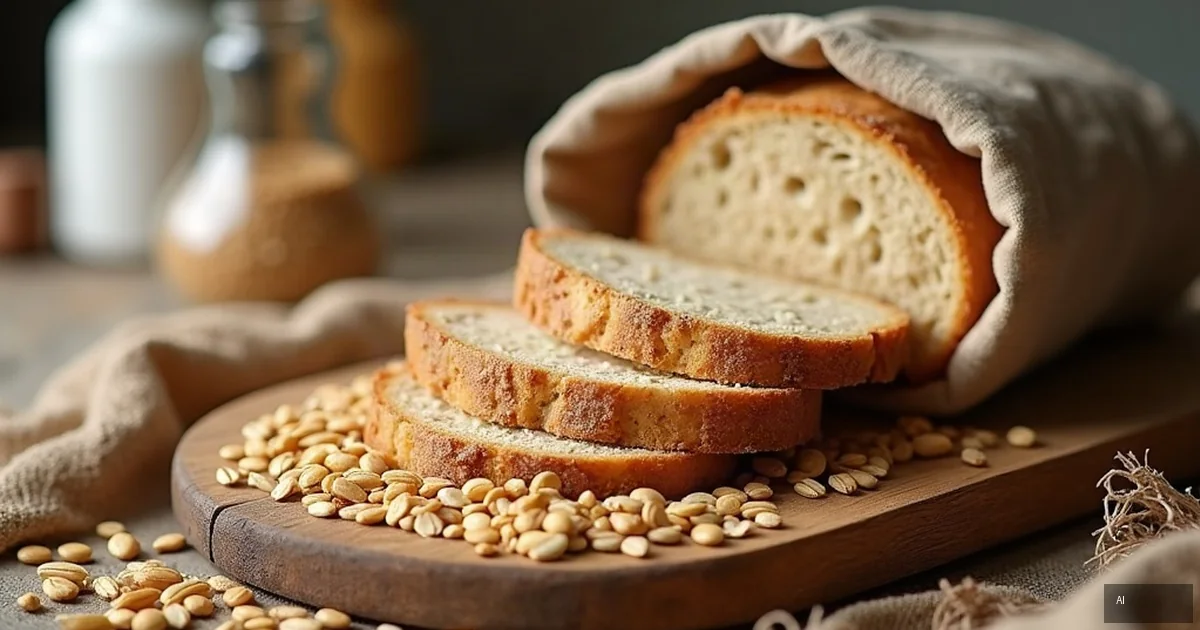
Healthier Bread Alternatives for Athletes
Bread is not bad — what is bad is processed white bread with no nutritional value. For athletes, bread can be an excellent source of energy if chosen correctly. Here we present alternatives with more protein, fiber and micronutrients.
📊 Comparison of 8 Bread Types (100 g)
| Bread type | kcal | Protein | Fiber | GI* | Recommendation |
|---|---|---|---|---|---|
| White bread | 265 | 9 g | 2.7 g | 75 | Poorest |
| Rye bread | 250 | 8.5 g | 5.8 g | 50 | Excellent |
| Whole grain | 247 | 13 g | 7 g | 51 | Excellent |
| Ezekiel (sprouted) | 247 | 14 g | 7 g | 36 | Best |
| Rye–oat | 240 | 10 g | 6 g | 48 | Very good |
| Pumpernickel | 250 | 9 g | 7 g | 41 | Excellent |
| Banana bread | 326 | 6 g | 2 g | — | Energy snack |
| Sourdough bread | 230 | 8 g | 3 g | 54 | Very good |
*GI = glycemic index (approximate)
🌾 Ezekiel Bread — Sprouted Grain Superfood
Ezekiel bread is made from sprouted whole-grain wheat, barley, beans, lentils, millet and spelt. The sprouting process increases the bioavailability of nutrients and reduces the gluten content.
- Complete protein: The combination of grains and legumes creates a complete protein with all amino acids.
- Low GI (36): Does not cause an insulin spike — ideal before a workout when steady energy is needed.
- Enzyme activation: Sprouting activates enzymes that improve the absorption of minerals (zinc, iron).
🛒 Recommended Products
❓ Frequently Asked Questions
Is Bread Suitable Before a Workout?
Yes, especially rye or Ezekiel bread with a low GI. 2 slices with bananas and honey 1.5-2 hours before — an excellent pre-workout snack. Avoid white bread before a workout — it will cause an insulin spike and an energy crash.
Is Bread Suitable When Losing Weight?
In limited amounts — yes. Choose dense, high-fiber bread. One slice (30 g) of rye bread has ~75 kcal. The most important thing is what you put on the bread, not the bread itself.
🧾 How to Read the Label
When choosing bread, look not at the color or the label 'healthy' but at the ingredients. Whole-grain flour, not refined wheat, should be first on the list. A good sign is a short ingredient list without a long list of additives.
Pay attention to the fiber content: bread with 5–7 g of fiber per 100 g is considerably more filling than bread with 1–2 g. Also check the amount of added sugar — in many store-bought breads there is more of it than it seems.
🍽️ Portion and How to Control It
One slice of bread usually weighs 30–40 g and contains about 70–110 kcal, depending on the type. For weight control, what you put on the bread matters more than the bread itself — butter, mayonnaise or sweet spreads add more calories than the slice itself.
A practical rule: one or two slices with protein (egg, cottage cheese, lean meat) is a balanced choice, while three slices with sweet toppings already become a more calorie-dense meal.
⏰ When to Eat Bread
- Before a workout — dense, high-fiber bread with light toppings, 1.5–2 hours beforehand.
- After a workout — with protein to restore glycogen.
- In the evening — suitable if it fits within your daily calorie intake.
There is no 'right' time — what matters most is the overall daily balance and that bread does not become the only source of carbohydrates.
🌾 What Else Is Worth Trying
Besides traditional bread, it is worth looking at whole-grain alternatives: flour guide (for various types of flour), porridges and whole-grain pasta. These products provide variety and help you get enough fiber — more about this in the fiber section.