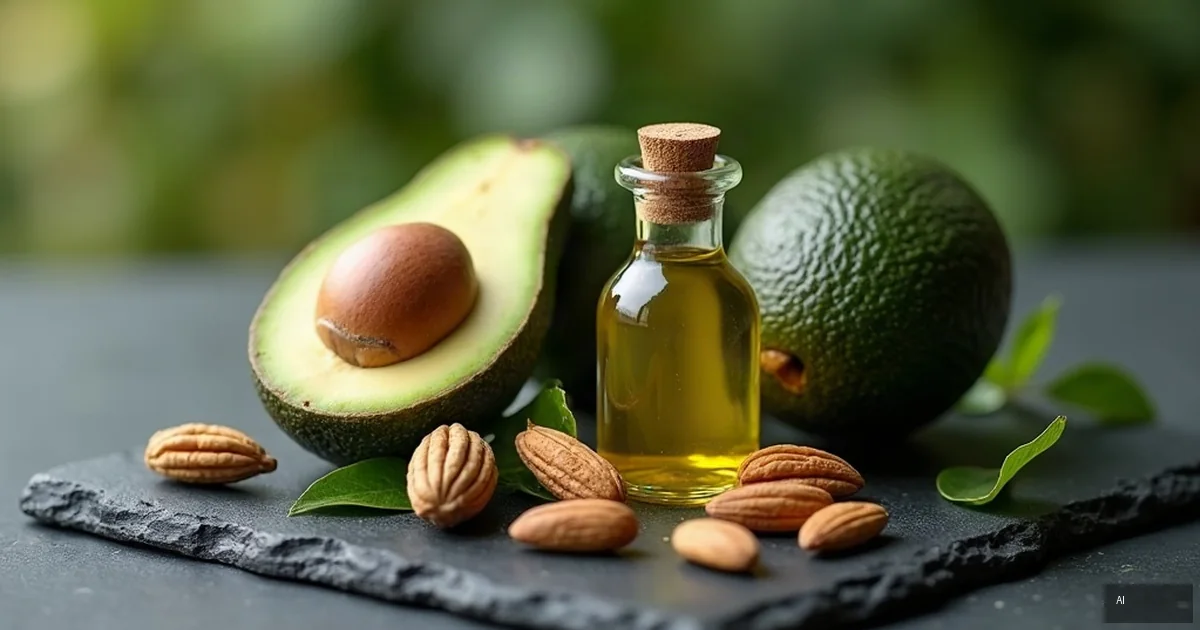
📊 Almond Nutritional Value
Almonds are one of the most nutritious nuts in the world. 100 g of almonds provides 21 g of protein, 12.5 g of fiber, 50 g of healthy fats (mostly monounsaturated) and is one of the best sources of vitamin E. They are also rich in magnesium, copper and riboflavin (B2). Almonds are record holders for protein content among nuts.
| Nutritional Value (100 g) | Amount |
|---|---|
| Calories (kcal) | 579 kcal |
| Protein | 21 g |
| Fat | 50 g |
| Carbohydrates | 22 g |
| Vitamin E | 25.6 mg (171% RDA!) |
| Magnesium | 270 mg (64% RDA) |
| Fiber | 12.5 g |
| Copper | 1 mg (111% RDA) |
| Riboflavin (B2) | 1.1 mg (85% RDA) |
💪 Benefits for Athletes
🛡️ Vitamin E — Antioxidant Leader
Almonds are one of the best natural sources of vitamin E (25.6 mg/100g — 171% RDA!). Vitamin E protects cell membranes from oxidative stress caused by intense training. This is especially important for endurance athletes.
💪 Magnesium for Muscle Function
270 mg of magnesium per 100 g provides 64% RDA. Magnesium is essential for muscle relaxation, sleep quality and energy (ATP) production. A handful of almonds (30 g) provides ~80 mg of magnesium — excellent prevention of cramps.
🧬 Protein and Plant Fats
21 g of protein per 100 g — that's more than in some meat products! Although the amino acid profile is not complete, combining with other plant proteins (oats, legumes) gives a complete profile. Monounsaturated fats support hormonal health.
🔋 Long-Lasting Energy
Due to the combination of healthy fats, protein and fiber, almonds provide long-lasting energy without insulin spikes. A handful of almonds (30 g, ~170 kcal) can maintain satiety for 2–3 hours.
🥜 How to Include in Diet
Soaked almonds (8–12 hours in water) have activated enzymes and are easier to digest. However, unsoaked ones are also excellent. Beware of almonds roasted in oil — choose natural, dry-roasted or raw.
- Pre-workout snack: A handful of almonds (30 g) + banana. Healthy fats + fast carbohydrates.
- After the workout: Almond butter on whole-grain bread. Protein + healthy fats + carbohydrates.
- For breakfast: Oatmeal with chopped almonds and berries. Additional protein and texture.
- In Salads: Roasted almonds add crunch to salads with chicken and spinach.
💡 Almond trick: Make almond milk at home! Soak 1 cup of almonds for 8 hours, drain the water, blend with 3 cups of fresh water, strain. Homemade almond milk without additives, preservatives or sugar. Dry the squeezed pulp in the oven — you'll get almond flour for baking.
🍽️ Recipe Ideas
- Homemade Almond Butter: Roast the almonds at 180°C for 10 min. Grind in a food processor for 10–15 min until creamy consistency. Nothing else needed!
- Protein Almond Bars: Mix almonds, dates, oats and whey proteins. Shape into bars, freeze.
- Almond Crunch for Chicken: Crush the almonds, mix with spices. Coat the chicken in egg and almond crumbs. Bake in the oven.
❓ FAQ
How Many Almonds per Day?
1 handful (30 g, ~23 almonds) is the optimal portion. This provides ~170 kcal, 6 g of protein, 15 g of healthy fats and 75% of the RDA for vitamin E. More than 50 g per day may be too many calories if you are controlling your weight.
Do Almonds Help with Weight Loss?
Paradoxical but true! Although almonds are calorie-dense, it is believed that their consumption (30–50 g/d) does not contribute to weight gain and may help with weight loss. Reasons: (1) not all calories are absorbed, (2) almonds increase satiety, (3) they may increase metabolism.
To Soak or Not to Soak?
Soaked almonds (8–12 hours) have activated enzymes, are easier to digest and have neutralized phytic acid (which can interfere with mineral absorption). However, the difference is not huge. If you have time — soaking is worth it. If not — unsoaked is also great.
🛒 Sports Supplements for Your Goals
🏆 Athlete Nutrition Principles
🥩 Protein
Consume 1.6–2.2 g/kg body weight per day for muscle growth and recovery. Distribute protein evenly across 3–5 meals.
🍚 Carbohydrates
The main energy source for intense training. 3–7 g/kg depending on the sport and intensity.
🧈 Fats
Healthy fats from nuts, fish, avocados — for hormone production and joint health. 0.8–1.2 g/kg per day.
💧 Hydration
Drink 30–40 ml of water per 1 kg of body weight. During training, additionally 500–1000 ml per hour with electrolytes.
💊 Sports Supplement Usage Guide
| Supplement | Purpose | Dose | When to take |
|---|---|---|---|
| Whey protein | Muscle Recovery and Growth | 25–30 g | After training, in the morning |
| Creatine Monohydrate | Strength, explosive power | 5 g per day | At any time, consistently |
| Omega-3 | Reducing inflammation, heart health | 1–3 g EPA/DHA | With food |
| Vitamin D3 | Bone health, immunity, testosterone | 2000–4000 IU | With a fatty meal |
| Magnesium | Muscle Relaxation, Sleep | 300–400 mg | Before Sleep |
| BCAA/EAA | Amino acid supplementation | 5–10 g | Before/during/after training |
🔄 Recovery Protocol
- Post-Workout Nutrition: Within 30–60 min after physical exertion, consume 20–40 g protein + 40–60 g carbohydrates for muscle glycogen restoration.
- Sleep: 7–9 hours of quality sleep. During sleep, growth hormone is released and muscle tissue recovery occurs.
- Active Rest: Light activity (walking, stretching, yoga) on rest days improves circulation and reduces muscle soreness.
- Contrast Shower: Alternating cold/warm water after intense training reduces inflammation and accelerates recovery.
- Massage / foam rolling: Myofascial release improves muscle elasticity and reduces the risk of injury.
🏥 Injury Prevention in Sports
- Warm-Up: 10–15 min dynamic warm-up before every workout — raising muscle temperature.
- Stretching: Dynamic before training, static after training. Never stretch cold muscles.
- Progressive overload: Increase the load by no more than 10% per week. Progressing too fast = a recipe for injury.
- Proper Technique: Poor exercise technique is the most common cause of injuries in the gym.
- Equipment: Proper footwear, protective equipment, and sportswear suited to the sport.
- Rest: Muscles need 48–72 hours for full recovery after intense training.
- Body Signals: Pain is not a sign of weakness. Distinguish muscle fatigue from injury pain.