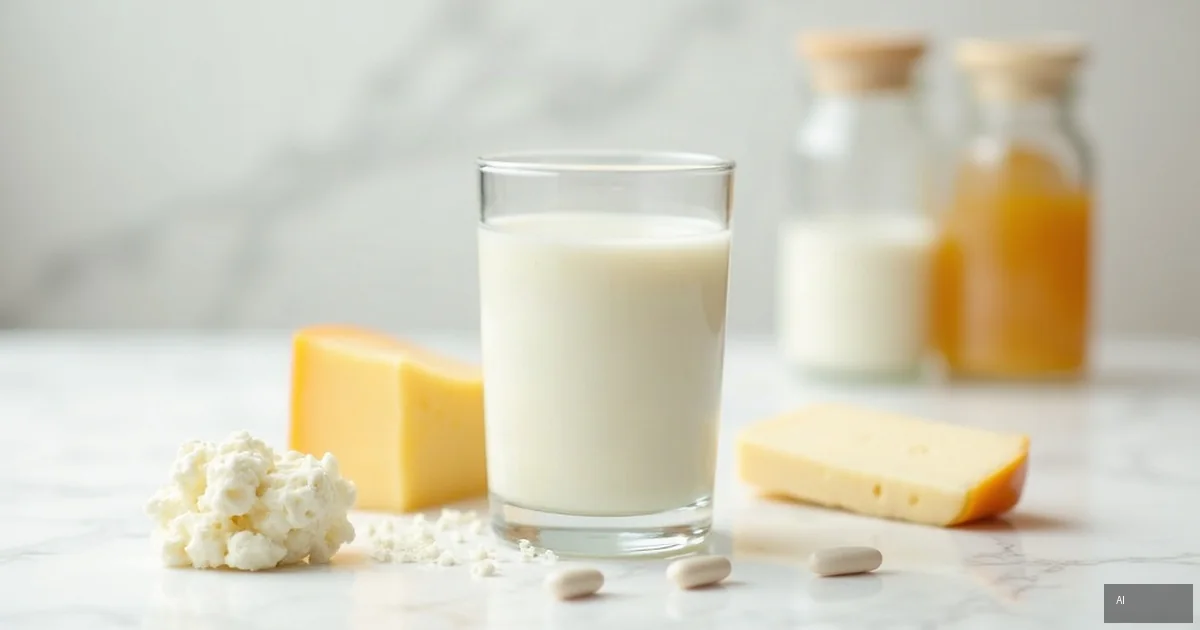
📊 Cottage Cheese Nutritional Value
Cottage cheese is a unique dairy product in an athlete's diet. It is dominated by casein — a slowly digesting protein that maintains amino acid concentration in the blood for 6–8 hours. This makes cottage cheese an ideal choice before sleep. In addition, cottage cheese is rich in calcium, phosphorus, selenium and B-group vitamins.
| Nutritional Value (100 g) | Amount |
|---|---|
| Calories (kcal) | 98 kcal |
| Protein | 11 g |
| Fat | 4.3 g |
| Carbohydrates | 3.4 g |
| Casein Protein | ~80% protein |
| Calcium | 83 mg |
| Phosphorus | 159 mg |
| Selenium | 9.7 µg |
| Vitamin B12 | 0.4 µg |
💪 Benefits for Athletes
⏰ Slow Protein Release
Cottage cheese proteins (mostly casein) are digested for 6–8 hours, gradually releasing amino acids into the blood. This protects muscles from catabolism at night, when the body goes without food for 8–10 hours.
🦴 Strong Bones
Cottage cheese is an excellent source of calcium and phosphorus — two minerals essential for bone density. For athletes, especially runners and jumpers, strong bones are protection against stress fractures.
🦠 Probiotics for the Gut
Naturally fermented cottage cheese contains probiotic bacteria that improve the gut microflora. Healthy gut flora improves nutrient absorption and strengthens immunity.
💰 Inexpensive Protein Source
Cottage cheese is one of the most economical sources of high-quality protein. 200 g of cottage cheese (22 g protein) costs about €0.50. For comparison, a 30 g whey protein serving costs €0.80–1.20.
🍰 Versatility
Cottage cheese works for both savory and sweet dishes. It can be eaten on its own, with fruit, used in baked goods, pancakes, casseroles, sauces. The taste is neutral and easily adaptable.
🥣 How to Include in Your Diet
Choose natural cottage cheese without added sugar. Leaner cottage cheese (0.5–5% fat) has more protein. Higher-fat (9–18%) has more fat-soluble vitamins.
- Before Sleep (MOST IMPORTANT): 200–250 g of cottage cheese 30–60 min before sleep. Slowly digested proteins will protect muscles from catabolism all night. Add almonds for healthy fats.
- For breakfast: Cottage cheese bake with eggs, oats and berries. A balanced breakfast with protein, carbohydrates and antioxidants.
- For a Snack: Cottage cheese with bananas and cinnamon. A quick, tasty and nutritious snack before or after training.
- For baking: Cottage cheese pancakes (flourless) — mix cottage cheese with eggs and cook. A high-protein breakfast or snack.
💡 Athlete's tip: Mix cottage cheese with whey protein (½ scoop)! You'll get a combination of fast + slow digesting proteins. Great after training or before sleep.
❓ FAQ
Is Cottage Cheese Suitable for Those with Lactose Intolerance?
Cottage cheese contains less lactose than milk — most of it is broken down during fermentation. Most people with mild lactose intolerance can consume cottage cheese without problems. If intolerance is severe, look for lactose-free cottage cheese.
Which Cottage Cheese to Choose — Lean or High-Fat?
Lean cottage cheese (0.5–5%) — more protein, fewer calories, ideal during 'cutting'. High-fat cottage cheese (9–18%) — more fat-soluble vitamins (A, D, E, K), longer feeling of satiety. Both options are suitable — according to calorie goals.
How Much Cottage Cheese per Day?
200–300 g of cottage cheese per day is the optimal amount for an athlete. This provides 22–33 g of high-quality protein. More is possible, but ensure variety with other protein sources.
Can Cottage Cheese Replace Whey Protein?
Not entirely — they complement each other. Whey protein is quickly digested (suitable after training), cottage cheese — slowly (suitable before sleep, between meals). It is best to have both in your nutrition plan.
🛒 Sports Supplements for Your Goals
🏆 Athlete Nutrition Principles
🥩 Protein
Consume 1.6–2.2 g/kg body weight per day for muscle growth and recovery. Distribute protein evenly across 3–5 meals.
🍚 Carbohydrates
The main energy source for intense training. 3–7 g/kg depending on the sport and intensity.
🧈 Fats
Healthy fats from nuts, fish, avocados — for hormone production and joint health. 0.8–1.2 g/kg per day.
💧 Hydration
Drink 30–40 ml of water per 1 kg of body weight. During training, additionally 500–1000 ml per hour with electrolytes.
💊 Sports Supplement Usage Guide
| Supplement | Purpose | Dose | When to take |
|---|---|---|---|
| Whey protein | Muscle Recovery and Growth | 25–30 g | After training, in the morning |
| Creatine Monohydrate | Strength, explosive power | 5 g per day | At any time, consistently |
| Omega-3 | Reducing inflammation, heart health | 1–3 g EPA/DHA | With food |
| Vitamin D3 | Bone health, immunity, testosterone | 2000–4000 IU | With a fatty meal |
| Magnesium | Muscle Relaxation, Sleep | 300–400 mg | Before Sleep |
| BCAA/EAA | Amino acid supplementation | 5–10 g | Before/during/after training |
🔄 Recovery Protocol
- Post-Workout Nutrition: Within 30–60 min after physical exertion, consume 20–40 g protein + 40–60 g carbohydrates for muscle glycogen restoration.
- Sleep: 7–9 hours of quality sleep. During sleep, growth hormone is released and muscle tissue recovery occurs.
- Active Rest: Light activity (walking, stretching, yoga) on rest days improves circulation and reduces muscle soreness.
- Contrast Shower: Alternating cold/warm water after intense training reduces inflammation and accelerates recovery.
- Massage / foam rolling: Myofascial release improves muscle elasticity and reduces the risk of injury.
🏥 Injury Prevention in Sports
- Warm-Up: 10–15 min dynamic warm-up before every workout — raising muscle temperature.
- Stretching: Dynamic before training, static after training. Never stretch cold muscles.
- Progressive overload: Increase the load by no more than 10% per week. Progressing too fast = a recipe for injury.
- Proper Technique: Poor exercise technique is the most common cause of injuries in the gym.
- Equipment: Proper footwear, protective equipment, and sportswear suited to the sport.
- Rest: Muscles need 48–72 hours for full recovery after intense training.
- Body Signals: Pain is not a sign of weakness. Distinguish muscle fatigue from injury pain.