📊 Kefir Nutritional Value
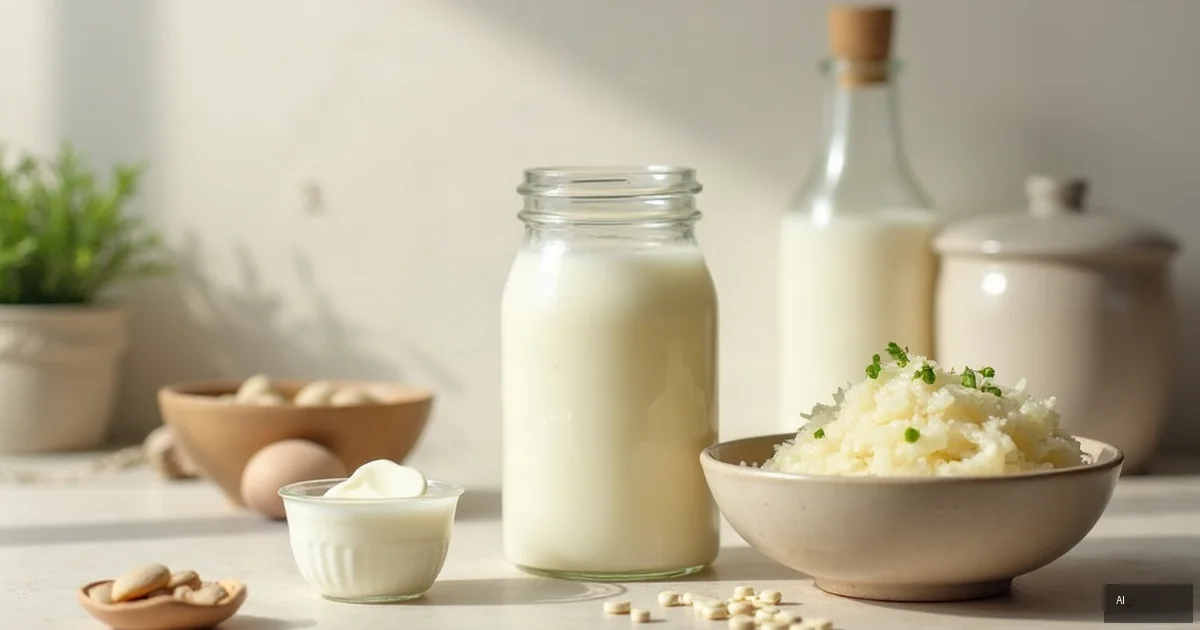
Kefir is a fermented milk drink with more probiotic cultures than yogurt (up to 30 different types). It is easily digestible and contains protein, calcium, magnesium and B vitamins. During kefir fermentation, lactose is almost completely broken down, so even people with lactose intolerance can consume it.
| Nutritional Value (100 g) | Amount |
|---|---|
| Calories (kcal) | 40 kcal |
| Protein | 3.3 g |
| Fat | 1 g |
| Carbohydrates | 4 g |
| Calcium | 120 mg (12% RDA) |
| Magnesium | 12 mg |
| Vitamin B2 | 0.14 mg |
| Probiotics | 30+ types |
💪 Benefits for Athletes
🦠 The Power of Probiotics
Kefir contains up to 30 different species of probiotic bacteria and yeasts — more than any other food product. They colonize the gut, improving nutrient absorption. For an athlete, this means more protein, vitamins and minerals from the same amount of food.
🛡️ Immune Support
About 70% of the immune system is in the gut. A healthy gut microflora, supported by kefir, strengthens resistance to infections. Athletes, especially those training intensively, are at higher risk of getting sick — kefir is natural protection.
💪 Muscle Recovery
The proteins in kefir are easily digestible and quickly absorbed. In addition, probiotics reduce systemic inflammation after intense training, accelerating muscle recovery.
🧘 Digestive Comfort
Many athletes suffer from digestive problems due to large food volumes. Kefir improves digestion, reduces bloating and helps the body process large amounts of food more efficiently.
🥤 How to Include It in Your Diet
- In the morning on an empty stomach: 250 ml of kefir before breakfast. Probiotics best colonize the gut on an empty stomach. After 30 min, eat your usual breakfast.
- Smoothie base: Use kefir instead of milk or water in a protein shake. Kefir + whey protein + banana = a probiotic and protein bomb.
- After the workout: Kefir with a drizzle of honey — a light, quickly absorbed protein source when heavier food doesn't fit.
- In the evening: A glass of kefir before bed. Probiotics work overnight, improving morning digestion. Tryptophan in kefir promotes melatonin.
💡 Pro tip: Make kefir at home! It's simple: add kefir grains to milk and leave for 24 h at room temperature. Homemade kefir has more probiotic cultures than industrially produced kefir.
❓ FAQ
How is kefir different from yogurt?
Kefir has more probiotic species (30+ vs 2–5), is liquid (not thick), contains beneficial yeasts, and is better for those with lactose intolerance. Both are excellent — I recommend including both in your diet.
Does kefir contain alcohol?
Kefir contains a very small amount of natural alcohol (0.05–0.3%) due to fermentation. This is less than in a ripe banana or bread. It is completely safe for athletes.
Which is better — kefir or probiotic supplements?
Natural kefir is better — its probiotics are in a 'food matrix' that protects them from stomach acid. Supplements often lack this protection. In addition, kefir also provides protein and minerals.
🛒 Sports Supplements for Your Goals
🏆 Athlete Nutrition Principles
🥩 Protein
Consume 1.6–2.2 g/kg body weight per day for muscle growth and recovery. Distribute protein evenly across 3–5 meals.
🍚 Carbohydrates
The main energy source for intense training. 3–7 g/kg depending on the sport and intensity.
🧈 Fats
Healthy fats from nuts, fish, avocados — for hormone production and joint health. 0.8–1.2 g/kg per day.
💧 Hydration
Drink 30–40 ml of water per 1 kg of body weight. During training, additionally 500–1000 ml per hour with electrolytes.
💊 Sports Supplement Usage Guide
| Supplement | Purpose | Dose | When to take |
|---|---|---|---|
| Whey protein | Muscle Recovery and Growth | 25–30 g | After training, in the morning |
| Creatine Monohydrate | Strength, explosive power | 5 g per day | At any time, consistently |
| Omega-3 | Reducing inflammation, heart health | 1–3 g EPA/DHA | With food |
| Vitamin D3 | Bone health, immunity, testosterone | 2000–4000 IU | With a fatty meal |
| Magnesium | Muscle Relaxation, Sleep | 300–400 mg | Before Sleep |
| BCAA/EAA | Amino acid supplementation | 5–10 g | Before/during/after training |
🔄 Recovery Protocol
- Post-Workout Nutrition: Within 30–60 min after physical exertion, consume 20–40 g protein + 40–60 g carbohydrates for muscle glycogen restoration.
- Sleep: 7–9 hours of quality sleep. During sleep, growth hormone is released and muscle tissue recovery occurs.
- Active Rest: Light activity (walking, stretching, yoga) on rest days improves circulation and reduces muscle soreness.
- Contrast Shower: Alternating cold/warm water after intense training reduces inflammation and accelerates recovery.
- Massage / foam rolling: Myofascial release improves muscle elasticity and reduces the risk of injury.
🏥 Injury Prevention in Sports
- Warm-Up: 10–15 min dynamic warm-up before every workout — raising muscle temperature.
- Stretching: Dynamic before training, static after training. Never stretch cold muscles.
- Progressive overload: Increase the load by no more than 10% per week. Progressing too fast = a recipe for injury.
- Proper Technique: Poor exercise technique is the most common cause of injuries in the gym.
- Equipment: Proper footwear, protective equipment, and sportswear suited to the sport.
- Rest: Muscles need 48–72 hours for full recovery after intense training.
- Body Signals: Pain is not a sign of weakness. Distinguish muscle fatigue from injury pain.