📊 Cheese Nutritional Value
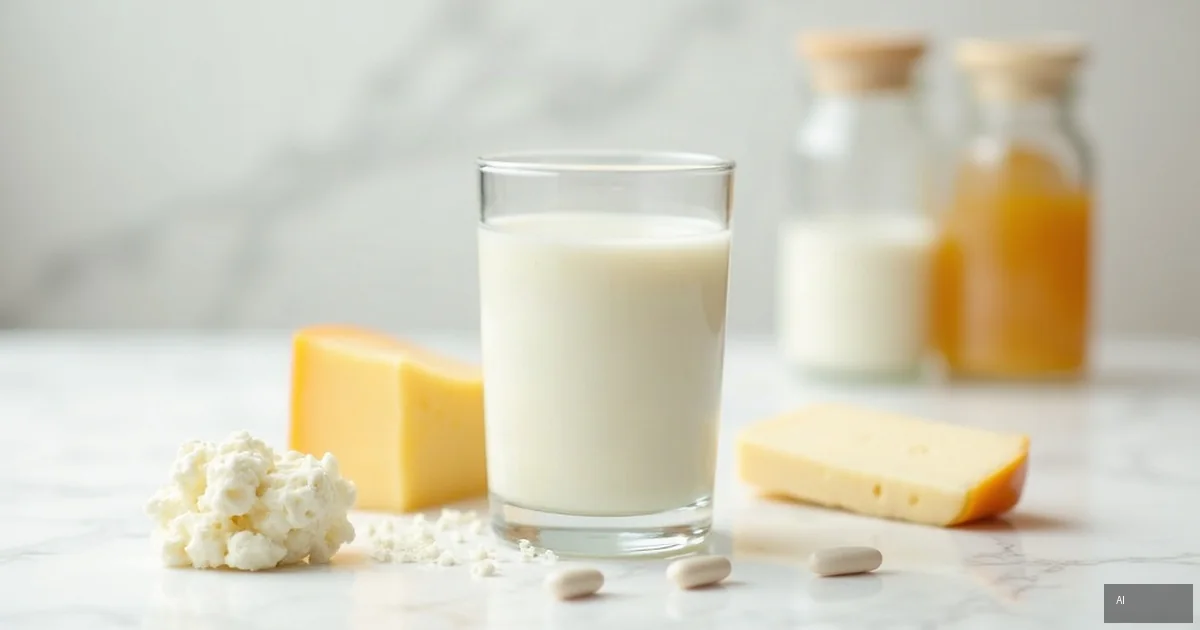
Cheese is a concentrated source of milk protein, fat and minerals. Different types of cheese have different nutritional values. Athletes are recommended leaner cheeses: cottage cheese, low-fat mozzarella, ricotta, low-fat hard cheese.
| Nutritional Value (100 g) | Amount |
|---|---|
| Calories (kcal) | 350 kcal |
| Protein | 25 g |
| Fat | 28 g |
| Carbohydrates | 1.3 g |
| Calcium | 700–1000 mg |
| Phosphorus | 450 mg |
| Vitamin A | 250 µg |
| Conjugated linoleic acid (CLA) | ~30 mg |
⚠️ Cheese is calorie-dense! 100 g of hard cheese has ~350 kcal. Recommended portion for an athlete: 30–50 g per day. Choose leaner varieties such as cottage cheese (160 kcal, 13 g protein) or low-fat mozzarella (210 kcal, 18 g protein).
💪 Benefits for Athletes
🦴 Calcium Source #1
Cheese is one of the richest sources of calcium — 50 g of hard cheese provides ~350–500 mg calcium (35–50% RDA). Calcium is essential for bone density, muscle contraction and nerve signal transmission.
💪 CLA — Conjugated Linoleic Acid
Cheese (especially from the milk of grass-fed cows) contains CLA — a special fatty acid that has been linked in studies to improved body composition (less fat, more muscle). The effect is small but positive.
🧀 Protein Concentrate
Cheese is a concentrated source of protein — in hard cheese, protein makes up ~25% of the weight. These are mostly casein proteins, which are digested slowly and maintain amino acid levels in the blood for a long time.
🍕 Versatility
Cheese enriches many dishes: salads, omelettes, sandwiches, pasta, pizzas. Even a small amount provides a lot of flavour and nutrients.
🧀 How to Include in Your Diet
Choose these cheeses for sports nutrition: cottage cheese (very lean), low-fat mozzarella, ricotta, low-fat hard cheese (up to 17% fat). Avoid processed cheeses and fatty blue cheeses.
- Breakfast omelette: 3 eggs + 30 g grated low-fat cheese + spinach. A protein-packed breakfast in 10 min.
- Snack: Cottage cheese sticks + cherry tomatoes. A quick protein snack without carbohydrates.
- Salads: Spinach + 50 g mozzarella + tomatoes + olive oil. Caprese-style sports salad.
- Dinner: Whole-grain pasta + low-fat mozzarella + cherry tomatoes + basil. A balanced dinner with protein and carbohydrates.
- Meal prep: Grated low-fat cheese on a chicken or vegetable bake. Adds flavour without the calories of sauces.
❓ FAQ
Which Cheese Is Best for an Athlete?
Cottage cheese — 160 kcal/100g, 13 g protein, low in fat. Second — low-fat mozzarella (210 kcal, 18 g protein). Third — low-fat hard cheese up to 17% fat. Avoid processed cheeses — they have less protein and many additives.
Does Cheese Have Too Much Salt?
Yes, some cheeses are high in sodium. Choose lower-salt options (cottage cheese, fresh mozzarella, ricotta). For athletes who sweat a lot, a moderate amount of salt is not a problem — electrolytes are replenished.
Can You Eat Cheese Before Bed?
Yes! Casein in hard cheese is digested slowly, so it supports amino acid supply throughout the night. 30–50 g of low-fat cheese before bed is an excellent nighttime source of protein.
🛒 Sports Supplements for Your Goals
🏆 Athlete Nutrition Principles
🥩 Protein
Consume 1.6–2.2 g/kg body weight per day for muscle growth and recovery. Distribute protein evenly across 3–5 meals.
🍚 Carbohydrates
The main energy source for intense training. 3–7 g/kg depending on the sport and intensity.
🧈 Fats
Healthy fats from nuts, fish, avocados — for hormone production and joint health. 0.8–1.2 g/kg per day.
💧 Hydration
Drink 30–40 ml of water per 1 kg of body weight. During training, additionally 500–1000 ml per hour with electrolytes.
💊 Sports Supplement Usage Guide
| Supplement | Purpose | Dose | When to take |
|---|---|---|---|
| Whey protein | Muscle Recovery and Growth | 25–30 g | After training, in the morning |
| Creatine Monohydrate | Strength, explosive power | 5 g per day | At any time, consistently |
| Omega-3 | Reducing inflammation, heart health | 1–3 g EPA/DHA | With food |
| Vitamin D3 | Bone health, immunity, testosterone | 2000–4000 IU | With a fatty meal |
| Magnesium | Muscle Relaxation, Sleep | 300–400 mg | Before Sleep |
| BCAA/EAA | Amino acid supplementation | 5–10 g | Before/during/after training |
🔄 Recovery Protocol
- Post-Workout Nutrition: Within 30–60 min after physical exertion, consume 20–40 g protein + 40–60 g carbohydrates for muscle glycogen restoration.
- Sleep: 7–9 hours of quality sleep. During sleep, growth hormone is released and muscle tissue recovery occurs.
- Active Rest: Light activity (walking, stretching, yoga) on rest days improves circulation and reduces muscle soreness.
- Contrast Shower: Alternating cold/warm water after intense training reduces inflammation and accelerates recovery.
- Massage / foam rolling: Myofascial release improves muscle elasticity and reduces the risk of injury.
🏥 Injury Prevention in Sports
- Warm-Up: 10–15 min dynamic warm-up before every workout — raising muscle temperature.
- Stretching: Dynamic before training, static after training. Never stretch cold muscles.
- Progressive overload: Increase the load by no more than 10% per week. Progressing too fast = a recipe for injury.
- Proper Technique: Poor exercise technique is the most common cause of injuries in the gym.
- Equipment: Proper footwear, protective equipment, and sportswear suited to the sport.
- Rest: Muscles need 48–72 hours for full recovery after intense training.
- Body Signals: Pain is not a sign of weakness. Distinguish muscle fatigue from injury pain.