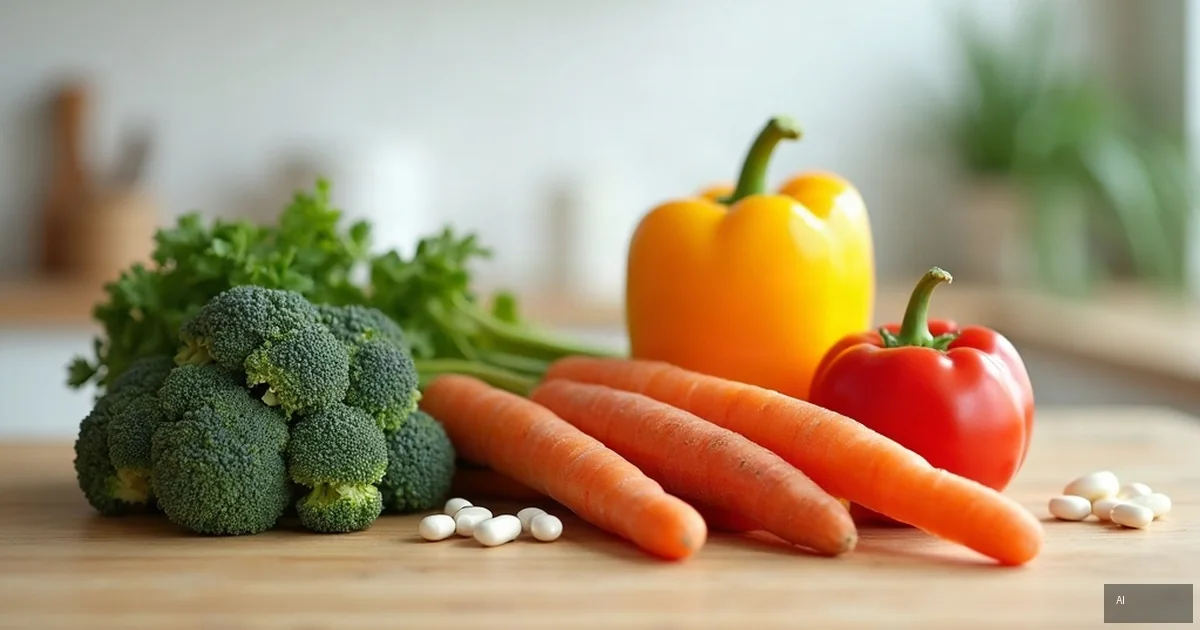
📊 Spinach Nutritional Value
Spinach is the most nutrient-rich leafy vegetable. It is rich in nitrates, which in the body convert to nitric oxide (NO) — a molecule that dilates blood vessels and improves circulation. Spinach also contains a lot of iron, magnesium, vitamin K and folic acid. All for just 23 kcal/100 g.
| Nutritional Value (100 g) | Amount |
|---|---|
| Calories (kcal) | 23 kcal |
| Protein | 2.9 g |
| Fat | 0.4 g |
| Carbohydrates | 3.6 g |
| Iron | 2.7 mg (15% RDA) |
| Nitrates | ~200–300 mg |
| Vitamin K | 483 µg (402% RDA) |
| Magnesium | 79 mg (19% RDA) |
| Folic acid | 194 µg (49% RDA) |
💪 Benefits for Athletes
🔬 Nitrates → Nitric Oxide → Greater Endurance
The nitrates in spinach convert in the body to nitric oxide, which dilates blood vessels. It is believed that consuming spinach before training can improve endurance and reduce oxygen consumption at the same intensity zone.
🩸 Iron for Oxygen Transport
2.7 mg of iron per 100 g — more than in most vegetables. Although plant iron is absorbed less well, combining it with vitamin C (lemon juice, tomatoes) increases absorption 3–5 times. This is critically important for female athletes.
💪 Magnesium for Muscle Relaxation
79 mg of magnesium helps prevent cramps, improves sleep quality and ATP energy production. Athletes who sweat intensively lose magnesium, so spinach is an excellent natural source.
🦴 Vitamin K — Bone Health
483 µg of vitamin K per 100 g (402% RDA!) — this is one of the most concentrated sources. Vitamin K directs calcium into bones rather than arteries, strengthening the skeletal system.
🥬 How to Include in Your Diet
You can eat spinach raw (in salads, smoothies) or heat-treated. Heat-treated spinach decreases in volume by ~, making it easier to consume a larger amount. To increase iron absorption, always combine with vitamin C.
- Before training (endurance): Spinach smoothie (a handful of spinach + banana + water) 2–3 hours before. Nitrates will improve circulation and endurance.
- After the workout: Omelette with spinach and tomatoes. Protein + iron + vitamin C (from tomatoes) = an excellent recovery combination.
- Salad base: Fresh spinach instead of iceberg lettuce. You will get 5x more nutrients. Combine with chicken, avocado and lemon juice.
- Side dish: Sauté spinach with garlic in olive oil for 2–3 minutes. An excellent side dish with salmon or chicken.
⚠️ Important: Spinach contains oxalates, which can interfere with calcium absorption. If you are at risk of kidney stones, limit the amount of raw spinach and choose cooked (oxalate content decreases by ~).
🍽️ Recipe Ideas
- Green spinach smoothie: 2 handfuls of spinach + banana + apple + ginger + water. An energizing drink before training.
- Spinach and feta chicken filling: Mix sautéed spinach with feta and stuff the chicken breast. Bake in the oven for 25 min.
- Spinach and Egg Muffins: Mix eggs, spinach, tomatoes and cheese. Bake in a muffin tin at 180°C for 15–18 min. Great breakfasts for the week.
❓ FAQ
Does spinach really contain a lot of iron?
Yes, 2.7 mg/100g. However, this is non-heme iron, which is absorbed less well (5–10%) than heme iron from meat (25%). Combine with vitamin C to improve absorption 3–5 times.
Spinach — raw or cooked?
Both! Raw spinach has more vitamin C and folic acid. Cooked — more available iron and beta-carotene. Variety is the best strategy.
Is it true that spinach improves athletic performance?
Yes! In 2017, there is evidence that spinach extract (and the nitrates in it) improves endurance, especially at moderate intensity. The effect is visible as early as 1–2 hours after consumption.
🛒 Sports Supplements for Your Goals
🏆 Athlete Nutrition Principles
🥩 Protein
Consume 1.6–2.2 g/kg body weight per day for muscle growth and recovery. Distribute protein evenly across 3–5 meals.
🍚 Carbohydrates
The main energy source for intense training. 3–7 g/kg depending on the sport and intensity.
🧈 Fats
Healthy fats from nuts, fish, avocados — for hormone production and joint health. 0.8–1.2 g/kg per day.
💧 Hydration
Drink 30–40 ml of water per 1 kg of body weight. During training, additionally 500–1000 ml per hour with electrolytes.
💊 Sports Supplement Usage Guide
| Supplement | Purpose | Dose | When to take |
|---|---|---|---|
| Whey protein | Muscle Recovery and Growth | 25–30 g | After training, in the morning |
| Creatine Monohydrate | Strength, explosive power | 5 g per day | At any time, consistently |
| Omega-3 | Reducing inflammation, heart health | 1–3 g EPA/DHA | With food |
| Vitamin D3 | Bone health, immunity, testosterone | 2000–4000 IU | With a fatty meal |
| Magnesium | Muscle Relaxation, Sleep | 300–400 mg | Before Sleep |
| BCAA/EAA | Amino acid supplementation | 5–10 g | Before/during/after training |
🔄 Recovery Protocol
- Post-Workout Nutrition: Within 30–60 min after physical exertion, consume 20–40 g protein + 40–60 g carbohydrates for muscle glycogen restoration.
- Sleep: 7–9 hours of quality sleep. During sleep, growth hormone is released and muscle tissue recovery occurs.
- Active Rest: Light activity (walking, stretching, yoga) on rest days improves circulation and reduces muscle soreness.
- Contrast Shower: Alternating cold/warm water after intense training reduces inflammation and accelerates recovery.
- Massage / foam rolling: Myofascial release improves muscle elasticity and reduces the risk of injury.
🏥 Injury Prevention in Sports
- Warm-Up: 10–15 min dynamic warm-up before every workout — raising muscle temperature.
- Stretching: Dynamic before training, static after training. Never stretch cold muscles.
- Progressive overload: Increase the load by no more than 10% per week. Progressing too fast = a recipe for injury.
- Proper Technique: Poor exercise technique is the most common cause of injuries in the gym.
- Equipment: Proper footwear, protective equipment, and sportswear suited to the sport.
- Rest: Muscles need 48–72 hours for full recovery after intense training.
- Body Signals: Pain is not a sign of weakness. Distinguish muscle fatigue from injury pain.