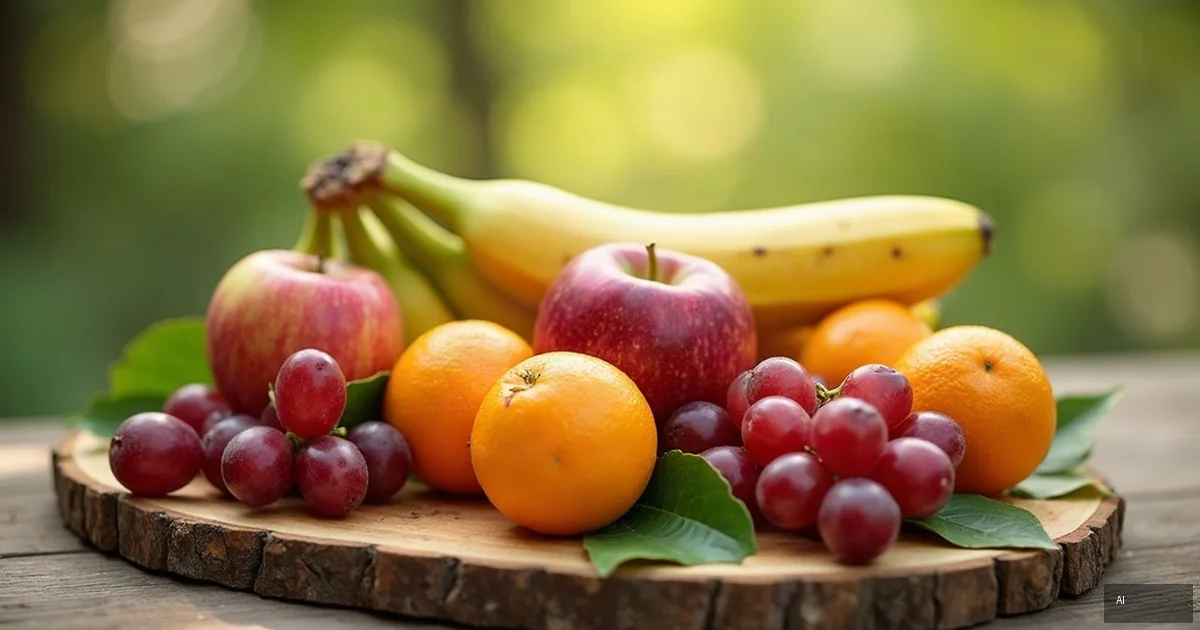
📊 Banana Nutritional Value
Bananas are one of the most popular fruits among athletes — and not without reason. They are a natural 'energy bar': easily digestible carbohydrates for quick energy, potassium for cramp prevention, and vitamin B6 for energy metabolism. Ripeness changes the glycemic index: green bananas GI ~30 (more resistant starch), ripe GI ~60 (more fast sugars).
| Nutritional Value (100 g) | Amount |
|---|---|
| Calories (kcal) | 89 kcal |
| Protein | 1.1 g |
| Fat | 0.3 g |
| Carbohydrates | 23 g |
| Potassium | 358 mg |
| Vitamin B6 | 0.4 mg (31% RDA) |
| Vitamin C | 8.7 mg |
| Magnesium | 27 mg |
| Fiber | 2.6 g |
💪 Benefits for Athletes
⚡ Fast Energy
One medium banana (120 g) provides ~27 g of carbohydrates, part of which are rapidly absorbed sugars (glucose, fructose, sucrose). It is an ideal snack before training — within 30 min you get energy without feeling heavy.
💪 Cramp Prevention
358 mg of potassium in one banana helps maintain electrolyte balance. Although the causes of cramps are complex, for athletes who sweat a lot, a banana is an excellent and tasty way to replenish potassium stores.
🧬 Vitamin B6 for Metabolism
Vitamin B6 is essential for protein metabolism and red blood cell production. One banana provides ~31% RDA. For athletes who consume a lot of protein, the need for B6 is higher.
🔄 Easy Digestion
Bananas are easy to digest and rarely cause stomach discomfort. They are a common choice right before competitions or long training sessions, when heavier food does not fit. Many professional tennis players eat bananas during breaks.
🍌 How to Include Them in Your Diet
Choose the ripeness level of bananas according to purpose: green/greenish — more resistant starch (prebiotics for the gut), slower energy. Yellow — a balance between fast and slow carbohydrates. Brown — the most fast sugar (best right before/after training).
- Before Training (30–60 min): 1 banana — 27 g carbohydrates for quick energy. If the workout is long (>90 min), add nut butter.
- After the workout: Banana + whey protein. Fast carbohydrates to raise insulin + protein for muscle recovery.
- For breakfast: Oatmeal with sliced banana and nuts. A balanced start with carbohydrates, protein, and healthy fats.
- Snack: Frozen banana dipped in dark chocolate — a healthy dessert after training.
💡 Banana trick: Have overripe bananas? Peel, slice, and freeze them! Frozen bananas are an excellent smoothie base — they add creaminess without ice or milk. They also work well for protein pancakes or 'nice cream' (mashed frozen bananas).
🍽️ Recipe Ideas
- Protein Banana Smoothie: 1 banana + 200 ml milk + 1 scoop whey protein + peanut butter. 40 g protein, 50 g carbohydrates.
- Banana Pancakes (Flourless): Blend 2 eggs + 1 banana. Cook like regular pancakes. Simple, quick, and healthy.
- Banana and Oat Bars: Mix oats, mashed bananas, nut butter, and a splash of honey. Bake at 180°C for 15 min.
❓ FAQ
Is a Banana Suitable Before Training?
Great! Due to easily digestible carbohydrates, a banana is one of the best pre-workout snacks. Eat it 30–60 min before. If the workout is long (>90 min), eat with some protein (Greek yogurt) or healthy fats (nuts).
How Many Bananas per Day?
1–3 bananas per day is optimal for an athlete. One banana provides only ~100 kcal, so even 3 bananas do not create a calorie surplus. However, remember that bananas contain ~23 g of carbohydrates, so count them in your total daily diet.
Ripe or Green Bananas — Which Is Better?
It depends on the goal! Green bananas have more resistant starch (a prebiotic) — a better choice for everyday eating. Ripe — more fast sugar and antioxidants — better before/after training. Both are healthy!
🛒 Sports Supplements for Your Goals
🏆 Athlete Nutrition Principles
🥩 Protein
Consume 1.6–2.2 g/kg body weight per day for muscle growth and recovery. Distribute protein evenly across 3–5 meals.
🍚 Carbohydrates
The main energy source for intense training. 3–7 g/kg depending on the sport and intensity.
🧈 Fats
Healthy fats from nuts, fish, avocados — for hormone production and joint health. 0.8–1.2 g/kg per day.
💧 Hydration
Drink 30–40 ml of water per 1 kg of body weight. During training, additionally 500–1000 ml per hour with electrolytes.
💊 Sports Supplement Usage Guide
| Supplement | Purpose | Dose | When to take |
|---|---|---|---|
| Whey protein | Muscle Recovery and Growth | 25–30 g | After training, in the morning |
| Creatine Monohydrate | Strength, explosive power | 5 g per day | At any time, consistently |
| Omega-3 | Reducing inflammation, heart health | 1–3 g EPA/DHA | With food |
| Vitamin D3 | Bone health, immunity, testosterone | 2000–4000 IU | With a fatty meal |
| Magnesium | Muscle Relaxation, Sleep | 300–400 mg | Before Sleep |
| BCAA/EAA | Amino acid supplementation | 5–10 g | Before/during/after training |
🔄 Recovery Protocol
- Post-Workout Nutrition: Within 30–60 min after physical exertion, consume 20–40 g protein + 40–60 g carbohydrates for muscle glycogen restoration.
- Sleep: 7–9 hours of quality sleep. During sleep, growth hormone is released and muscle tissue recovery occurs.
- Active Rest: Light activity (walking, stretching, yoga) on rest days improves circulation and reduces muscle soreness.
- Contrast Shower: Alternating cold/warm water after intense training reduces inflammation and accelerates recovery.
- Massage / foam rolling: Myofascial release improves muscle elasticity and reduces the risk of injury.
🏥 Injury Prevention in Sports
- Warm-Up: 10–15 min dynamic warm-up before every workout — raising muscle temperature.
- Stretching: Dynamic before training, static after training. Never stretch cold muscles.
- Progressive overload: Increase the load by no more than 10% per week. Progressing too fast = a recipe for injury.
- Proper Technique: Poor exercise technique is the most common cause of injuries in the gym.
- Equipment: Proper footwear, protective equipment, and sportswear suited to the sport.
- Rest: Muscles need 48–72 hours for full recovery after intense training.
- Body Signals: Pain is not a sign of weakness. Distinguish muscle fatigue from injury pain.