📊 Buckwheat Nutritional Value
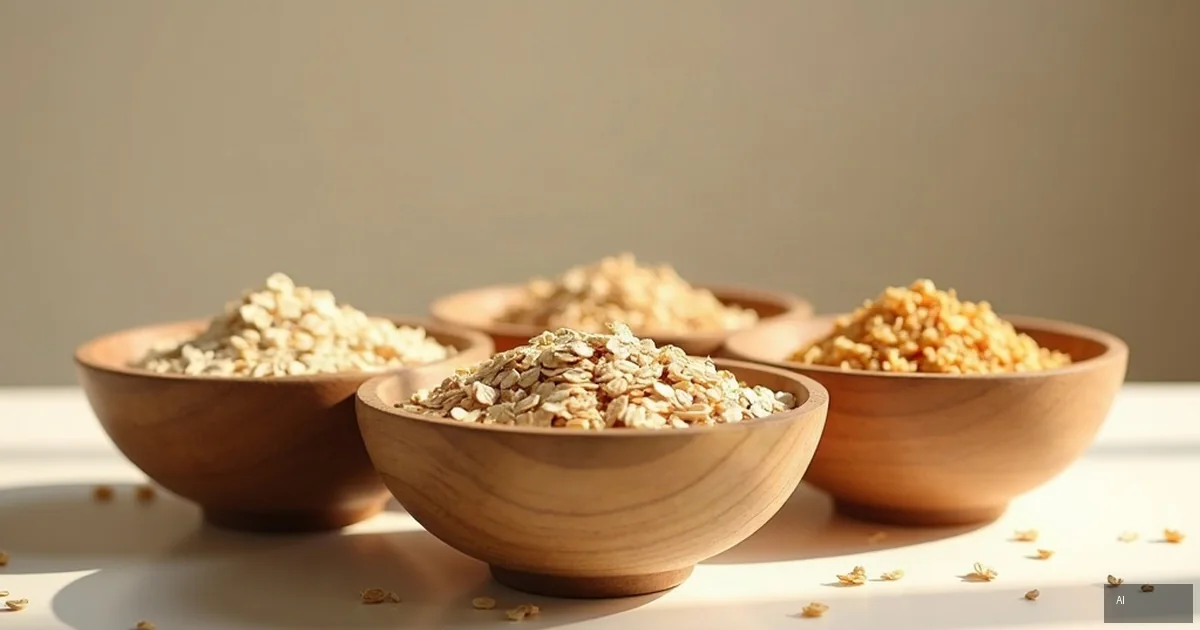
Botanically, buckwheat is not a grain — it is a seed related to sorrel. As a result, it is naturally gluten-free and has a unique nutritional composition. Buckwheat contains all 8 essential amino acids, including lysine, which is lacking in most grains. It also contains rutin — a bioflavonoid that strengthens blood vessels.
| Nutritional Value (100 g) | Amount |
|---|---|
| Calories (kcal) | 343 kcal |
| Protein | 13.3 g |
| Fat | 3.4 g |
| Carbohydrates | 71.5 g |
| Fiber | 10 g |
| Rutin | ~20 mg |
| Magnesium | 231 mg (55% RDA) |
| Iron | 2.2 mg |
| Zinc | 2.4 mg |
💪 Benefits for Athletes
🧬 Complete Plant Protein
Buckwheat is one of the few plant protein sources containing lysine — an amino acid that is lacking in most grains. The biological value of buckwheat protein is ~90 (for comparison: egg = 100, wheat = 60).
🩸 Rutin for Blood Vessels
Rutin (vitamin P) is a bioflavonoid found only in buckwheat among common foods. It strengthens capillary walls, improves circulation and reduces inflammation. For athletes, this means better oxygen and nutrient supply to the muscles.
⚡ Magnesium for Muscle Function
Buckwheat is one of the richest sources of magnesium (231 mg/100g — 55% RDA). Magnesium is essential for muscle relaxation after contraction, cramp prevention, ATP production and nerve signal transmission.
🍽️ Gluten-Free
Buckwheat is naturally gluten-free, so it is safe for athletes with celiac disease or gluten sensitivity. This is a rare case where a gluten-free product is just as nutritious (and in some respects even more nutritious) as wheat.
🥘 How to Include in Your Diet
- Buckwheat porridge for breakfast: Cook buckwheat with milk or a plant-based drink. Add nuts and honey. A warm, filling breakfast with protein and slow-release carbohydrates.
- Instead of rice: Buckwheat is an excellent substitute for rice with meat, fish or vegetable dishes. It has more protein and fiber than white rice.
- Buckwheat salad: Cooled cooked buckwheat with vegetables, chicken and olive oil. An excellent meal prep option for the week.
- Buckwheat flour: Use for making protein pancakes or bread. Mix with eggs — you will get super-nutritious pancakes.
💡 Lithuanian tradition: Buckwheat porridge with cracklings is a traditional Lithuanian dish. For the modern athlete — replace the cracklings with lean chicken or tofu and add vegetables. You will keep the tradition with a healthier twist!
❓ FAQ
Is buckwheat suitable before training?
Excellent! Due to slowly digestible carbohydrates, buckwheat provides steady energy without sharp insulin spikes. Eat 2–3 hours before training. Portion: 80–100 g dry buckwheat.
Can buckwheat replace meat?
Buckwheat has a good protein profile, but it cannot completely replace meat — it contains less leucine (the main trigger of muscle synthesis). However, by combining it with other plant proteins (beans, tofu) and supplementing with creatine, you can create a complete vegetarian sports diet.
How to cook buckwheat correctly?
Ratio 1:2 (buckwheat:water). Bring to a boil, reduce the heat and cook covered for 15–20 min until the water is absorbed. Most importantly — do not stir too much during cooking so that the buckwheat stays fluffy rather than turning into porridge.
🛒 Sports Supplements for Your Goals
🏆 Athlete Nutrition Principles
🥩 Protein
Consume 1.6–2.2 g/kg body weight per day for muscle growth and recovery. Distribute protein evenly across 3–5 meals.
🍚 Carbohydrates
The main energy source for intense training. 3–7 g/kg depending on the sport and intensity.
🧈 Fats
Healthy fats from nuts, fish, avocados — for hormone production and joint health. 0.8–1.2 g/kg per day.
💧 Hydration
Drink 30–40 ml of water per 1 kg of body weight. During training, additionally 500–1000 ml per hour with electrolytes.
💊 Sports Supplement Usage Guide
| Supplement | Purpose | Dose | When to take |
|---|---|---|---|
| Whey protein | Muscle Recovery and Growth | 25–30 g | After training, in the morning |
| Creatine Monohydrate | Strength, explosive power | 5 g per day | At any time, consistently |
| Omega-3 | Reducing inflammation, heart health | 1–3 g EPA/DHA | With food |
| Vitamin D3 | Bone health, immunity, testosterone | 2000–4000 IU | With a fatty meal |
| Magnesium | Muscle Relaxation, Sleep | 300–400 mg | Before Sleep |
| BCAA/EAA | Amino acid supplementation | 5–10 g | Before/during/after training |
🔄 Recovery Protocol
- Post-Workout Nutrition: Within 30–60 min after physical exertion, consume 20–40 g protein + 40–60 g carbohydrates for muscle glycogen restoration.
- Sleep: 7–9 hours of quality sleep. During sleep, growth hormone is released and muscle tissue recovery occurs.
- Active Rest: Light activity (walking, stretching, yoga) on rest days improves circulation and reduces muscle soreness.
- Contrast Shower: Alternating cold/warm water after intense training reduces inflammation and accelerates recovery.
- Massage / foam rolling: Myofascial release improves muscle elasticity and reduces the risk of injury.
🏥 Injury Prevention in Sports
- Warm-Up: 10–15 min dynamic warm-up before every workout — raising muscle temperature.
- Stretching: Dynamic before training, static after training. Never stretch cold muscles.
- Progressive overload: Increase the load by no more than 10% per week. Progressing too fast = a recipe for injury.
- Proper Technique: Poor exercise technique is the most common cause of injuries in the gym.
- Equipment: Proper footwear, protective equipment, and sportswear suited to the sport.
- Rest: Muscles need 48–72 hours for full recovery after intense training.
- Body Signals: Pain is not a sign of weakness. Distinguish muscle fatigue from injury pain.