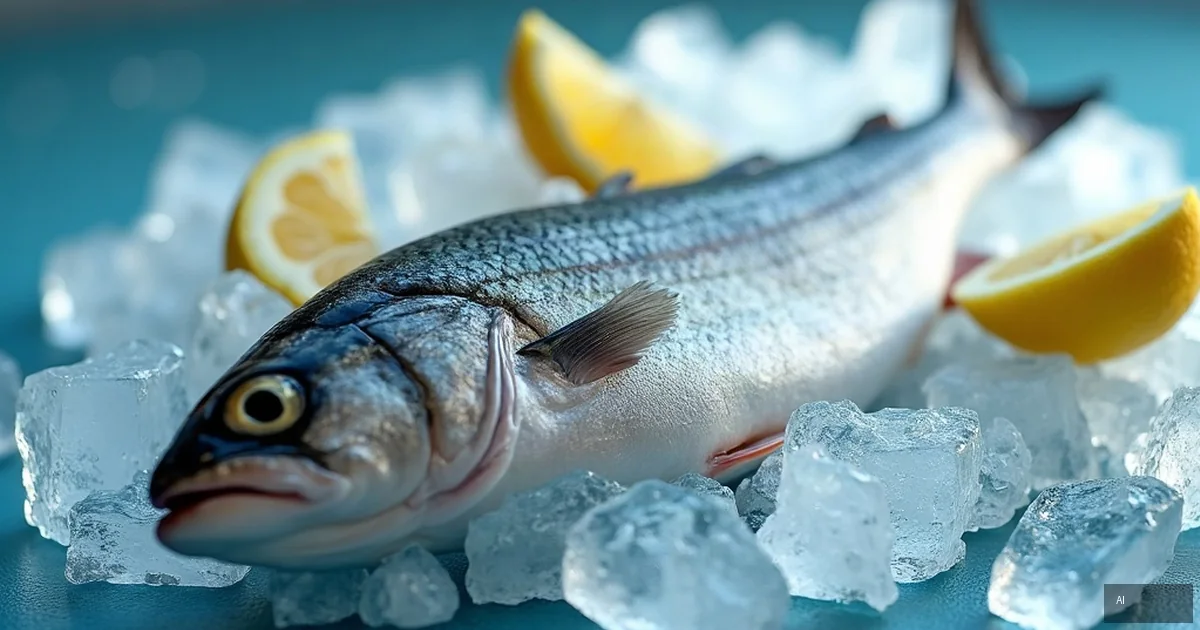
📊 Tuna Nutritional Value
Tuna is one of the leanest and most protein-rich foods. Canned tuna in its own juice is the most convenient way to get high-quality protein in just a few minutes. Tuna is also rich in selenium, vitamin B12, niacin and omega-3 fatty acids.
| Nutritional Value (100 g) | Amount |
|---|---|
| Calories (kcal) | 130 kcal |
| Protein | 29 g |
| Fat | 1 g |
| Carbohydrates | 0 g |
| Omega-3 (EPA+DHA) | 0.3–1.0 g |
| Vitamin B12 | 2.5 µg (104% RDA) |
| Selenium | 80 µg (145% RDA) |
| Niacin (B3) | 13 mg (81% RDA) |
💪 Benefits for Athletes
🥇 Highest Protein Density
With 29 g of protein per 100 g, tuna is one of the most efficient protein sources by calorie/protein ratio. It is ideal during a calorie deficit when you need to maintain muscle mass with minimal calories.
⚡ Energy Metabolism
Tuna is rich in B-group vitamins, especially B12 and niacin, which are essential for converting carbohydrates, fats and proteins into energy. Adequate B-group vitamin intake improves training performance.
🛡️ Antioxidant Protection
Selenium is a powerful antioxidant that protects cells from oxidative stress caused by intense training. Tuna is one of the best sources of selenium — 100 g provides 145% RDA.
💰 Budget-Friendly Option
Canned tuna is one of the cheapest sources of high-quality protein. One can (120 g) costs ~1–2 € and provides ~30 g of protein. An excellent choice for students and budget-conscious athletes.
🥫 How To Include It In Your Diet
Choose tuna in its own juice, not in oil — this way you avoid extra calories and low-quality fats. Athletes are recommended 2–3 portions of tuna per week due to possible mercury content.
- After the workout: Tuna salad with whole-grain pasta and vegetables — quick protein + carbohydrates in 20 min.
- Quick Lunch: A can of tuna + avocado + whole-grain bread. A balanced meal with protein, healthy fats and carbohydrates.
- Snack: Tuna with Greek yogurt (instead of mayonnaise), lemon juice and spices on rice cakes.
- For salads: Mix tuna with spinach, tomatoes, olives and feta cheese — Mediterranean-style sports salad.
⚠️ Important: Due to mercury content in large fish, pregnant women are advised to limit tuna. For athletes, 2–3 cans per week is a safe amount. Alternate with salmon, sardines and mackerel.
❓ FAQ
What is the difference between tuna in its own juice and in oil?
Tuna in its own juice has fewer calories (100 kcal/can) and retains more omega-3. Tuna in oil has additional fats from vegetable oil, which is often of low quality. Always choose tuna in its own juice.
Is it true that tuna contains a lot of mercury?
Only in large tuna species (albacore, bigeye). Skipjack tuna, from which most canned tuna is made, has significantly less mercury. 2–3 portions per week is completely safe.
Which is better: fresh or canned?
Both are excellent! Fresh tuna (steak) has more omega-3 but is more expensive. Canned is more convenient, cheaper and keeps for a long time. The canning process slightly reduces the omega-3 content.
🛒 Sports Supplements for Your Goals
🏆 Athlete Nutrition Principles
🥩 Protein
Consume 1.6–2.2 g/kg body weight per day for muscle growth and recovery. Distribute protein evenly across 3–5 meals.
🍚 Carbohydrates
The main energy source for intense training. 3–7 g/kg depending on the sport and intensity.
🧈 Fats
Healthy fats from nuts, fish, avocados — for hormone production and joint health. 0.8–1.2 g/kg per day.
💧 Hydration
Drink 30–40 ml of water per 1 kg of body weight. During training, additionally 500–1000 ml per hour with electrolytes.
💊 Sports Supplement Usage Guide
| Supplement | Purpose | Dose | When to take |
|---|---|---|---|
| Whey protein | Muscle Recovery and Growth | 25–30 g | After training, in the morning |
| Creatine Monohydrate | Strength, explosive power | 5 g per day | At any time, consistently |
| Omega-3 | Reducing inflammation, heart health | 1–3 g EPA/DHA | With food |
| Vitamin D3 | Bone health, immunity, testosterone | 2000–4000 IU | With a fatty meal |
| Magnesium | Muscle Relaxation, Sleep | 300–400 mg | Before Sleep |
| BCAA/EAA | Amino acid supplementation | 5–10 g | Before/during/after training |
🔄 Recovery Protocol
- Post-Workout Nutrition: Within 30–60 min after physical exertion, consume 20–40 g protein + 40–60 g carbohydrates for muscle glycogen restoration.
- Sleep: 7–9 hours of quality sleep. During sleep, growth hormone is released and muscle tissue recovery occurs.
- Active Rest: Light activity (walking, stretching, yoga) on rest days improves circulation and reduces muscle soreness.
- Contrast Shower: Alternating cold/warm water after intense training reduces inflammation and accelerates recovery.
- Massage / foam rolling: Myofascial release improves muscle elasticity and reduces the risk of injury.
🏥 Injury Prevention in Sports
- Warm-Up: 10–15 min dynamic warm-up before every workout — raising muscle temperature.
- Stretching: Dynamic before training, static after training. Never stretch cold muscles.
- Progressive overload: Increase the load by no more than 10% per week. Progressing too fast = a recipe for injury.
- Proper Technique: Poor exercise technique is the most common cause of injuries in the gym.
- Equipment: Proper footwear, protective equipment, and sportswear suited to the sport.
- Rest: Muscles need 48–72 hours for full recovery after intense training.
- Body Signals: Pain is not a sign of weakness. Distinguish muscle fatigue from injury pain.