📊 Nutritional Value of Broccoli
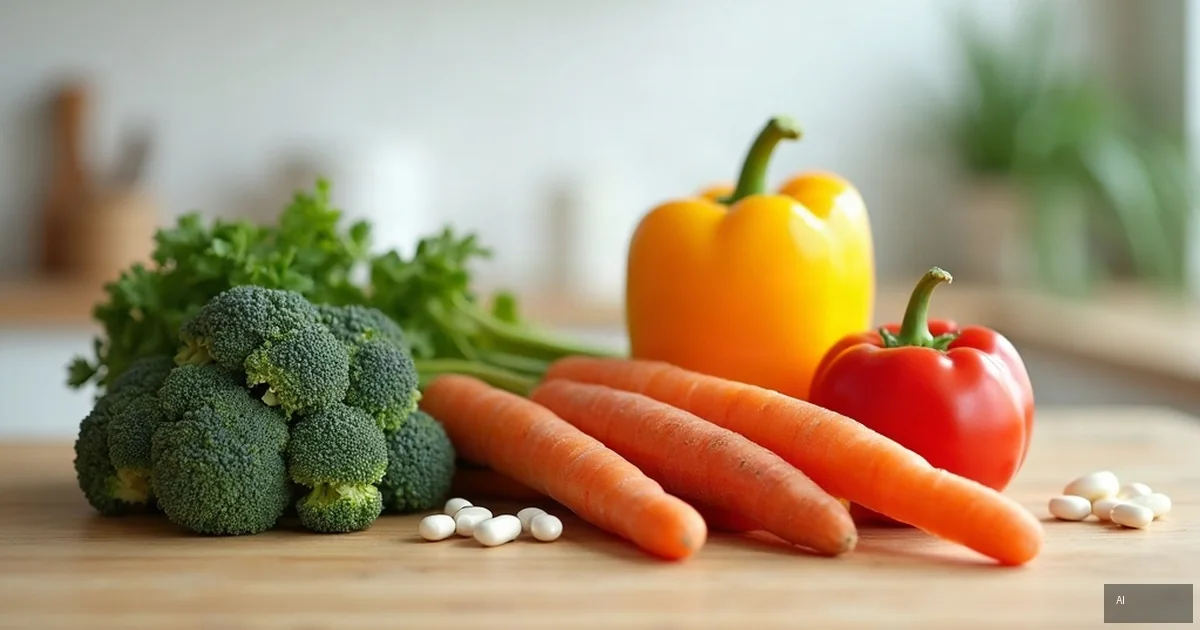
Broccoli belongs to the cruciferous vegetable family and is one of the most nutritious plants in the world. It is rich in vitamin C (even more than in oranges), vitamin K, sulforaphane — a powerful anticancer compound, and fiber. 100 g of broccoli has only 34 kcal.
| Nutritional Value (100 g) | Amount |
|---|---|
| Calories (kcal) | 34 kcal |
| Protein | 2.8 g |
| Fat | 0.4 g |
| Carbohydrates | 6.6 g |
| Vitamin C | 89 mg (99% RDA) |
| Vitamin K | 102 µg (85% RDA) |
| Folic acid | 63 µg (16% RDA) |
| Sulforaphane | ~50–100 mg |
| Fiber | 2.6 g |
💪 Benefits for Athletes
🛡️ Sulforaphane — The Most Powerful Antioxidant
Sulforaphane found in broccoli is one of the strongest known natural antioxidants. It activates the Nrf2 pathway — the body's 'main antioxidant switch', which protects cells from oxidative stress after intense training.
🦴 Vitamin K for Bone Density
One serving of broccoli provides ~85% of the daily vitamin K requirement. Vitamin K is essential for bone mineralization and blood clotting. For athletes, this means stronger bones and a lower risk of stress fractures.
🦠 Immunity Strengthening
89 mg of vitamin C per 100 g of broccoli — that's more than in one orange (53 mg)! Vitamin C contributes to normal immune system function, accelerates tissue healing and helps absorb iron from plant sources.
🔥 Reducing Inflammation
Broccoli's bioactive compounds (sulforaphane, kaempferol, quercetin) have a strong anti-inflammatory effect. Regular consumption of broccoli reduces systemic inflammation and muscle soreness after training.
🥦 How to Include in Your Diet
To preserve the maximum amount of sulforaphane: eat broccoli raw or lightly steamed (3–4 min, no longer). Boiling in water destroys sulforaphane. Before cooking, chop and let stand for 30–40 min — this activates the myrosinase enzyme and increases sulforaphane content.
- Steamed: 3–4 min steamed — preserves 90% of nutrients. Serve with olive oil and garlic.
- Raw in salads: Finely chopped broccoli is perfect for salads with chicken, avocado and tomatoes.
- Smoothie: A handful of frozen broccoli + banana + spinach + whey protein. A raw antioxidant smoothie.
- In the oven: 180°C, 15–20 min with olive oil, salt and pepper. Crispy, caramelized broccoli.
💡 Pro tip: Add mustard powder or radishes to cooked broccoli! They contain active myrosinase, which 'revives' sulforaphane production. It is believed that this increases sulforaphane absorption 4 times!
🍽️ Recipe Ideas
- Broccoli and chicken bake: Layer steamed broccoli, cooked chicken, cream sauce and cheese. Bake at 180°C for 20 min.
- Broccoli soup: Cook broccoli with onions, garlic and vegetable broth. Blend until smooth. Add Greek yogurt for protein.
- Broccoli and tuna salad: Steamed broccoli + tuna + corn + Greek yogurt. A balanced lunch.
❓ FAQ
Is it better to eat broccoli raw or cooked?
Both ways have advantages. Raw broccoli has more sulforaphane and vitamin C. Cooked (lightly, steamed) — is easier to digest and has more available beta-carotene. Variety is recommended — sometimes raw, sometimes steamed.
Does broccoli cause bloating?
Due to the high fiber content and raffinose (a complex sugar), broccoli can cause gas accumulation in sensitive people. Start with smaller portions, cook (do not eat raw) and gradually increase the amount — the body adapts.
How much broccoli per day?
1–2 cups (150–300 g) of broccoli per day is the optimal amount. This provides all the antioxidant benefits without digestive discomfort. You can eat it every day — broccoli is one of the safest and most beneficial foods.
🛒 Sports Supplements for Your Goals
🏆 Athlete Nutrition Principles
🥩 Protein
Consume 1.6–2.2 g/kg body weight per day for muscle growth and recovery. Distribute protein evenly across 3–5 meals.
🍚 Carbohydrates
The main energy source for intense training. 3–7 g/kg depending on the sport and intensity.
🧈 Fats
Healthy fats from nuts, fish, avocados — for hormone production and joint health. 0.8–1.2 g/kg per day.
💧 Hydration
Drink 30–40 ml of water per 1 kg of body weight. During training, additionally 500–1000 ml per hour with electrolytes.
💊 Sports Supplement Usage Guide
| Supplement | Purpose | Dose | When to take |
|---|---|---|---|
| Whey protein | Muscle Recovery and Growth | 25–30 g | After training, in the morning |
| Creatine Monohydrate | Strength, explosive power | 5 g per day | At any time, consistently |
| Omega-3 | Reducing inflammation, heart health | 1–3 g EPA/DHA | With food |
| Vitamin D3 | Bone health, immunity, testosterone | 2000–4000 IU | With a fatty meal |
| Magnesium | Muscle Relaxation, Sleep | 300–400 mg | Before Sleep |
| BCAA/EAA | Amino acid supplementation | 5–10 g | Before/during/after training |
🔄 Recovery Protocol
- Post-Workout Nutrition: Within 30–60 min after physical exertion, consume 20–40 g protein + 40–60 g carbohydrates for muscle glycogen restoration.
- Sleep: 7–9 hours of quality sleep. During sleep, growth hormone is released and muscle tissue recovery occurs.
- Active Rest: Light activity (walking, stretching, yoga) on rest days improves circulation and reduces muscle soreness.
- Contrast Shower: Alternating cold/warm water after intense training reduces inflammation and accelerates recovery.
- Massage / foam rolling: Myofascial release improves muscle elasticity and reduces the risk of injury.
🏥 Injury Prevention in Sports
- Warm-Up: 10–15 min dynamic warm-up before every workout — raising muscle temperature.
- Stretching: Dynamic before training, static after training. Never stretch cold muscles.
- Progressive overload: Increase the load by no more than 10% per week. Progressing too fast = a recipe for injury.
- Proper Technique: Poor exercise technique is the most common cause of injuries in the gym.
- Equipment: Proper footwear, protective equipment, and sportswear suited to the sport.
- Rest: Muscles need 48–72 hours for full recovery after intense training.
- Body Signals: Pain is not a sign of weakness. Distinguish muscle fatigue from injury pain.