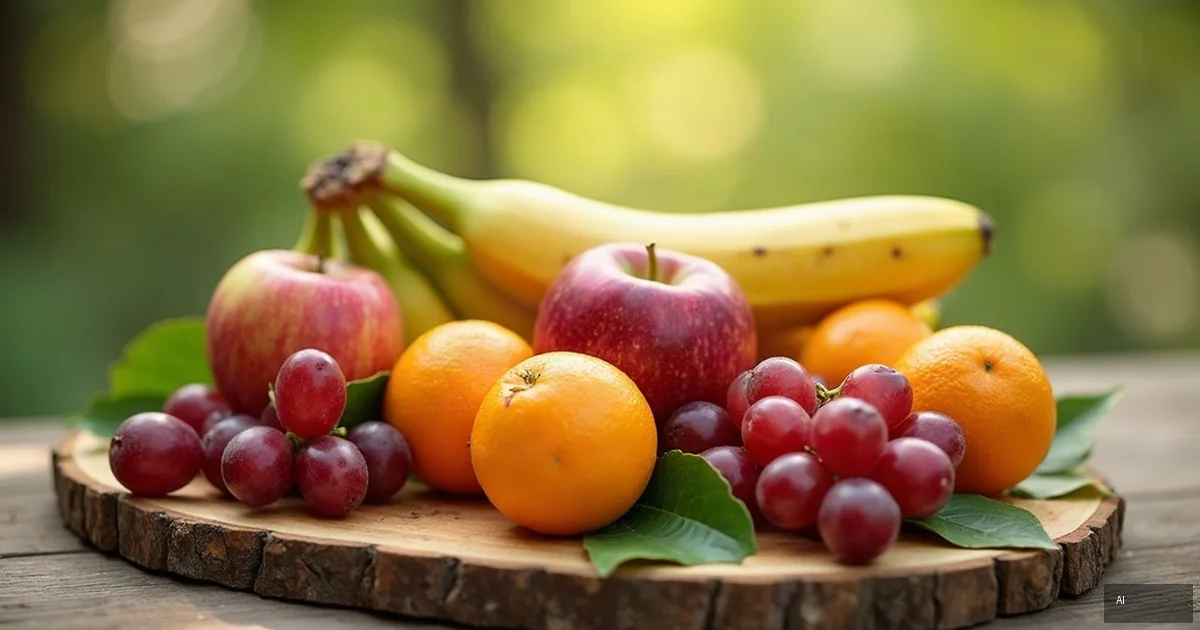
📊 Nutritional Value of Oranges
Oranges are one of the best natural sources of vitamin C — one medium orange (130 g) provides more than 100% of the daily requirement. In addition to vitamin C, oranges contain hesperidin — a citrus flavonoid that improves blood vessel function — and folic acid, which is important for red blood cell production.
| Nutritional Value (100 g) | Amount |
|---|---|
| Calories (kcal) | 47 kcal |
| Protein | 0.9 g |
| Fat | 0.1 g |
| Carbohydrates | 12 g |
| Vitamin C | 53 mg (59% RDA) |
| Folic acid | 30 µg (8% RDA) |
| Hesperidin | ~50 mg |
| Fiber | 2.4 g |
| Potassium | 181 mg |
💪 Benefits for Athletes
🛡️ Immune Support
Vitamin C is one of the most important vitamins for the immune system. Athletes, especially endurance athletes, are at higher risk of upper respiratory tract infections. Sufficient vitamin C intake (200–500 mg/d) can reduce the risk and duration of colds.
🩸 Better Iron Absorption
Vitamin C increases the absorption of plant-based (non-heme) iron 3–5 times. Eating an orange together with spinach, oats or other plant-based iron sources significantly improves iron absorption. This is critically important for vegetarians and female athletes.
❤️ Hesperidin for Blood Vessels
Hesperidin found in the white layer (albedo) and peel of oranges improves blood vessel elasticity, lowers blood pressure and improves microcirculation. Better circulation = better oxygen supply to muscles.
💧 Natural Hydration
Oranges are made up of ~87% water, so they not only provide vitamins but also help maintain hydration. A great choice before or after a workout in summer.
🍊 How to Include in Your Diet
Eat a whole orange instead of drinking juice! A whole fruit contains fiber (2.4 g), which slows sugar absorption. A glass of orange juice contains 20–25 g of sugar without fiber. The white layer (albedo) contains the most hesperidin — do not remove it!
- After the workout: Orange + a handful of almonds. Vitamin C + vitamin E (from almonds) — a synergistic antioxidant combination.
- With food: An orange with plant-based food (oats, spinach, lentils) increases iron absorption.
- Before training: Half an orange 30 min before. Light, refreshing, provides energy without a heavy feeling.
- In Salads: Orange segments + spinach + avocado + walnuts. Iron from spinach + vitamin C from oranges = a perfect combination.
🍽️ Recipe Ideas
- Citrus recovery drink: Freshly squeezed orange + orange zest + a pinch of salt. A natural electrolyte drink after a workout.
- Orange and chicken salad: Chicken + orange segments + spinach + almonds. A balanced lunch with protein, iron and vitamin C.
- Orange and oat muffins: Oat flour + eggs + orange juice and zest. Bake at 180°C for 15 min. Healthy snacks.
❓ FAQ
Is orange juice as good as whole fruit?
No! A whole orange contains fiber, which slows sugar absorption. A glass of juice (250 ml) contains as much sugar as 2–3 oranges, but without a feeling of fullness. If you squeeze juice, leave the pulp in and do not drink more than 150 ml per day.
Does vitamin C really help with colds?
Yes, for athletes! Meta-analyses show that regular vitamin C intake (200+ mg/d) can reduce the duration of colds by 8–14% and the severity of symptoms. The effect is greater in athletes whose immune system experiences greater stress.
When is the best time to eat oranges?
Best — before a workout (light energy) or after it (vitamin C for antioxidant protection). Also excellent with food containing plant-based iron (spinach, oats). Avoid before bed due to acidity.
🛒 Sports Supplements for Your Goals
🏆 Athlete Nutrition Principles
🥩 Protein
Consume 1.6–2.2 g/kg body weight per day for muscle growth and recovery. Distribute protein evenly across 3–5 meals.
🍚 Carbohydrates
The main energy source for intense training. 3–7 g/kg depending on the sport and intensity.
🧈 Fats
Healthy fats from nuts, fish, avocados — for hormone production and joint health. 0.8–1.2 g/kg per day.
💧 Hydration
Drink 30–40 ml of water per 1 kg of body weight. During training, additionally 500–1000 ml per hour with electrolytes.
💊 Sports Supplement Usage Guide
| Supplement | Purpose | Dose | When to take |
|---|---|---|---|
| Whey protein | Muscle Recovery and Growth | 25–30 g | After training, in the morning |
| Creatine Monohydrate | Strength, explosive power | 5 g per day | At any time, consistently |
| Omega-3 | Reducing inflammation, heart health | 1–3 g EPA/DHA | With food |
| Vitamin D3 | Bone health, immunity, testosterone | 2000–4000 IU | With a fatty meal |
| Magnesium | Muscle Relaxation, Sleep | 300–400 mg | Before Sleep |
| BCAA/EAA | Amino acid supplementation | 5–10 g | Before/during/after training |
🔄 Recovery Protocol
- Post-Workout Nutrition: Within 30–60 min after physical exertion, consume 20–40 g protein + 40–60 g carbohydrates for muscle glycogen restoration.
- Sleep: 7–9 hours of quality sleep. During sleep, growth hormone is released and muscle tissue recovery occurs.
- Active Rest: Light activity (walking, stretching, yoga) on rest days improves circulation and reduces muscle soreness.
- Contrast Shower: Alternating cold/warm water after intense training reduces inflammation and accelerates recovery.
- Massage / foam rolling: Myofascial release improves muscle elasticity and reduces the risk of injury.
🏥 Injury Prevention in Sports
- Warm-Up: 10–15 min dynamic warm-up before every workout — raising muscle temperature.
- Stretching: Dynamic before training, static after training. Never stretch cold muscles.
- Progressive overload: Increase the load by no more than 10% per week. Progressing too fast = a recipe for injury.
- Proper Technique: Poor exercise technique is the most common cause of injuries in the gym.
- Equipment: Proper footwear, protective equipment, and sportswear suited to the sport.
- Rest: Muscles need 48–72 hours for full recovery after intense training.
- Body Signals: Pain is not a sign of weakness. Distinguish muscle fatigue from injury pain.