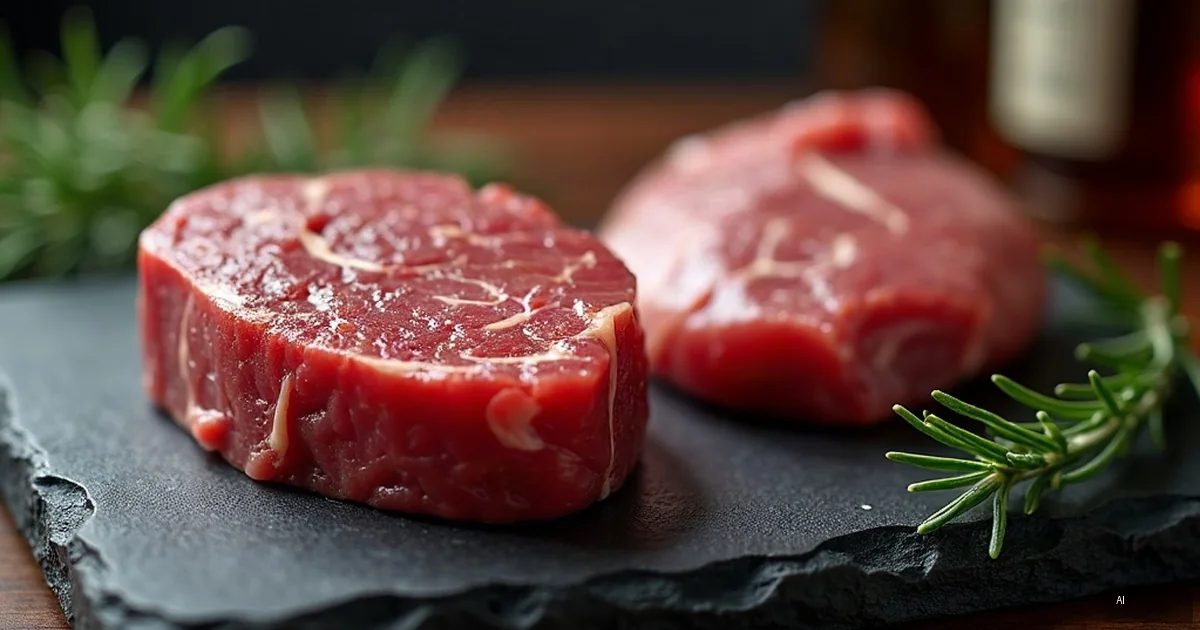
📊 Chicken Nutritional Value
Chicken breast is the gold standard among lean protein sources. It has a complete amino acid profile, minimal fat content and is easy to prepare. 100 g of chicken breast provides as much as 31 g of protein with only 165 kcal.
| Nutritional Value (100 g) | Amount |
|---|---|
| Calories (kcal) | 165 kcal |
| Protein | 31 g |
| Fat | 3.6 g |
| Carbohydrates | 0 g |
| Vitamin B6 | 0.6 mg (46% RDA) |
| Niacin (B3) | 13.7 mg (86% RDA) |
| Phosphorus | 228 mg |
| Selenium | 27 µg |
| Leucine | ~2.5 g |
💪 Benefits for Athletes
🏆 Highest Protein Percentage
In chicken breast, protein makes up ~75% of calories. This is an ideal food for muscle mass growth (bulking) and fat loss (cutting). One 200 g portion provides 62 g of protein — more than half the daily requirement for an 80 kg athlete.
🧬 Complete Amino Acid Profile
Chicken contains all EAAs (essential amino acids), including leucine — the main trigger of muscle protein synthesis. A 200 g portion of chicken provides ~5 g of leucine, which exceeds the 'leucine threshold' (2.5–3 g) for maximal stimulation of muscle synthesis.
📉 Ideal for Weight Loss
Due to its exceptionally high protein density and low calorie content, chicken provides a feeling of fullness with minimal calories. This helps maintain a calorie deficit without hunger and protects muscle mass during weight loss.
🍳 Versatility in the Kitchen
Chicken can be fried, boiled, stewed, grilled, baked in the oven, or cooked in a slow cooker. It is suitable for salads, sandwiches, soups, and wraps. For meal prep — it keeps in the refrigerator for 4 days.
🍗 How to Include It in Your Diet
- Meal prep on Sunday: Bake 1–1.5 kg of chicken breasts in the oven (180°C, 22–25 min) with seasonings. Cut into portions — you will have protein for the week ahead.
- Before training: 150 g chicken + 200 g rice + steamed vegetables 2–3 hours before. Provides energy without bloating.
- After the workout: 200 g chicken + sweet potatoes + broccoli. Protein for recovery + complex carbohydrates for glycogen.
- Dinner: 150 g chicken salad with spinach, tomatoes, cucumbers, avocado, and olive oil. A light but nutritious dinner.
💡 Professional tip: Marinate chicken in Greek yogurt with seasonings for 2–4 hours before baking. The yogurt acid tenderizes the meat, and the protein from the yogurt enriches the dish. The chicken will be juicier even if slightly overcooked.
❓ FAQ
Is chicken breast or thigh better?
Breast has more protein and less fat (31 g protein, 3.6 g fat). Thighs have slightly more fat (8 g) but are juicier and cheaper. Both options are suitable — choose according to your calorie goals.
Can I eat chicken every day?
Yes, chicken is safe for daily consumption. However, dietary variety is important — alternate it with fish, eggs, beef, and legumes to get a broader range of micronutrients.
How much chicken per day?
It depends on your weight and goals. An 80 kg athlete needs ~130–175 g of protein per day, so 300–400 g of chicken breast per day (divided into 2–3 portions) is a reasonable amount together with other sources.
Is cooked chicken healthy?
Baked in the oven, grilled, or steamed — yes. Fried in oil in a deep fryer — avoid. The best methods: oven, grill, steam, stewing. Use seasonings, lemon juice, and garlic for flavor without extra calories.
🛒 Sports Supplements for Your Goals
🏆 Athlete Nutrition Principles
🥩 Protein
Consume 1.6–2.2 g/kg body weight per day for muscle growth and recovery. Distribute protein evenly across 3–5 meals.
🍚 Carbohydrates
The main energy source for intense training. 3–7 g/kg depending on the sport and intensity.
🧈 Fats
Healthy fats from nuts, fish, avocados — for hormone production and joint health. 0.8–1.2 g/kg per day.
💧 Hydration
Drink 30–40 ml of water per 1 kg of body weight. During training, additionally 500–1000 ml per hour with electrolytes.
💊 Sports Supplement Usage Guide
| Supplement | Purpose | Dose | When to take |
|---|---|---|---|
| Whey protein | Muscle Recovery and Growth | 25–30 g | After training, in the morning |
| Creatine Monohydrate | Strength, explosive power | 5 g per day | At any time, consistently |
| Omega-3 | Reducing inflammation, heart health | 1–3 g EPA/DHA | With food |
| Vitamin D3 | Bone health, immunity, testosterone | 2000–4000 IU | With a fatty meal |
| Magnesium | Muscle Relaxation, Sleep | 300–400 mg | Before Sleep |
| BCAA/EAA | Amino acid supplementation | 5–10 g | Before/during/after training |
🔄 Recovery Protocol
- Post-Workout Nutrition: Within 30–60 min after physical exertion, consume 20–40 g protein + 40–60 g carbohydrates for muscle glycogen restoration.
- Sleep: 7–9 hours of quality sleep. During sleep, growth hormone is released and muscle tissue recovery occurs.
- Active Rest: Light activity (walking, stretching, yoga) on rest days improves circulation and reduces muscle soreness.
- Contrast Shower: Alternating cold/warm water after intense training reduces inflammation and accelerates recovery.
- Massage / foam rolling: Myofascial release improves muscle elasticity and reduces the risk of injury.
🏥 Injury Prevention in Sports
- Warm-Up: 10–15 min dynamic warm-up before every workout — raising muscle temperature.
- Stretching: Dynamic before training, static after training. Never stretch cold muscles.
- Progressive overload: Increase the load by no more than 10% per week. Progressing too fast = a recipe for injury.
- Proper Technique: Poor exercise technique is the most common cause of injuries in the gym.
- Equipment: Proper footwear, protective equipment, and sportswear suited to the sport.
- Rest: Muscles need 48–72 hours for full recovery after intense training.
- Body Signals: Pain is not a sign of weakness. Distinguish muscle fatigue from injury pain.